What Are Plastic Bottle Labels?
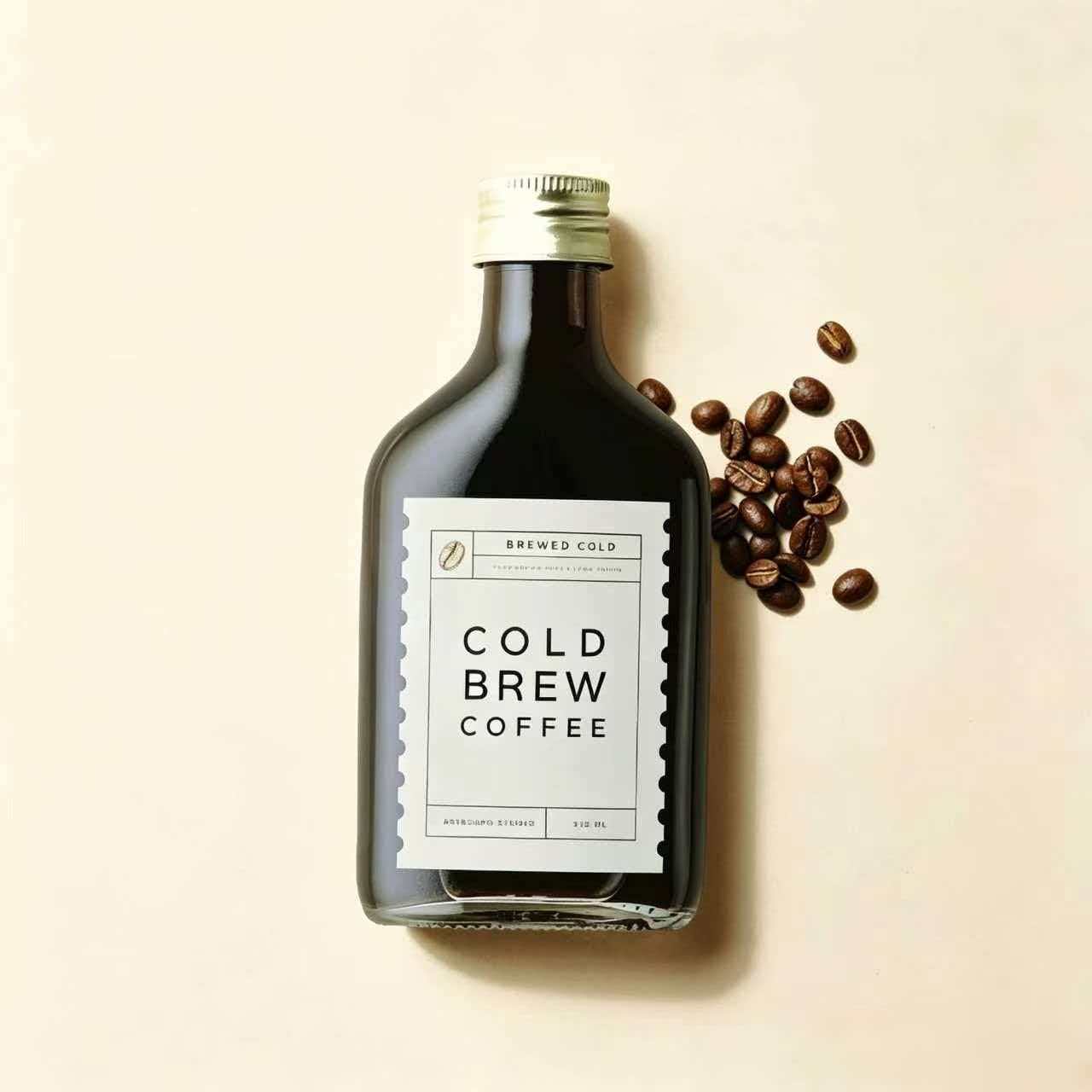
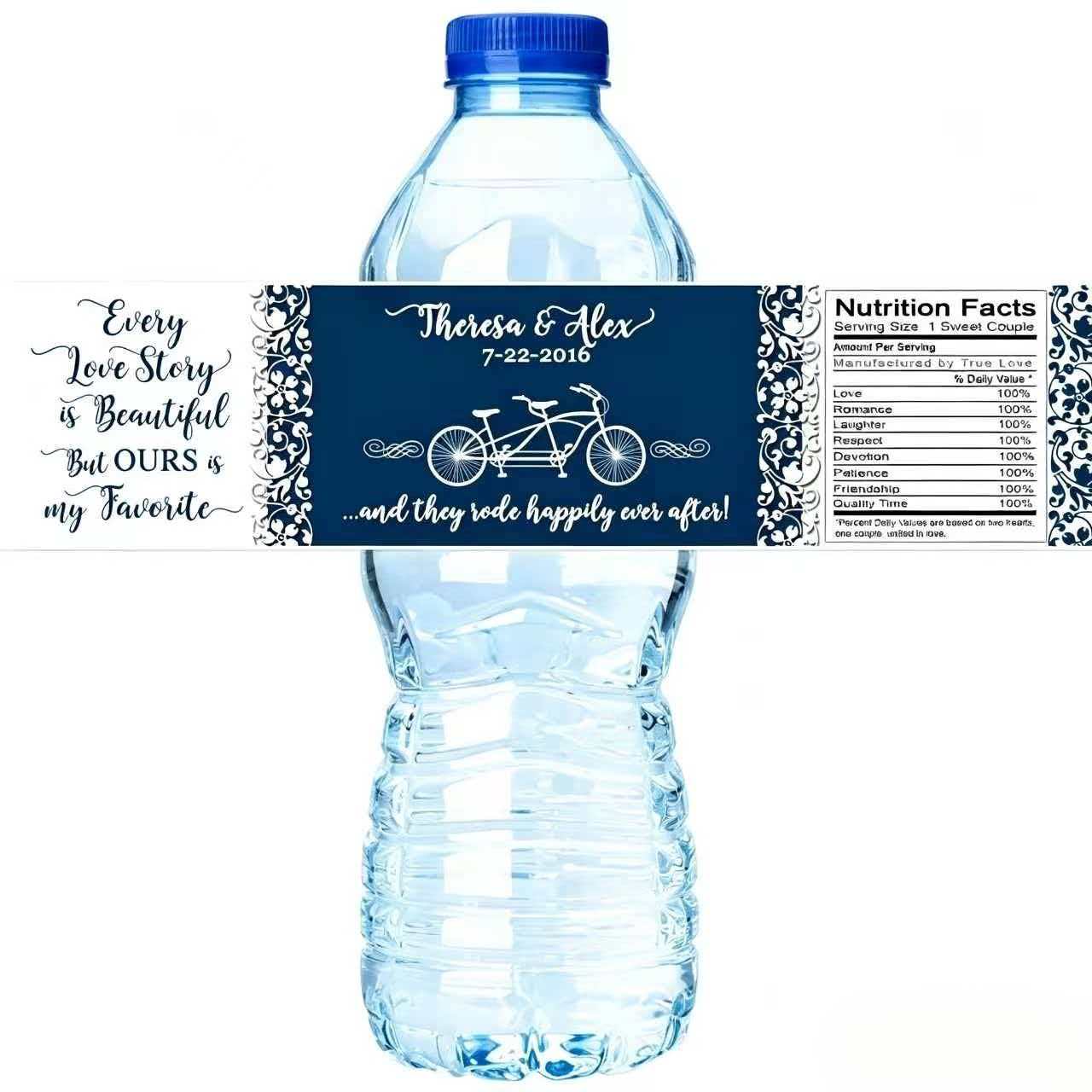
Plastic bottle labels are specialized self-adhesive identifiers engineered specifically for application onto HDPE, PET, PP, and other plastic containers. These labels are constructed from synthetic materials that resist oil, water, and UV degradation, ensuring long-lasting performance in demanding environments. The adhesive systems are meticulously formulated to bond with plastic surfaces, accommodating the natural expansion, contraction, and flexing of plastic bottles during filling, transportation, and everyday use. Unlike paper labels that may absorb moisture or tear, plastic bottle labels maintain their structural integrity and visual appeal throughout the product lifecycle, from factory filling to consumer use. Their ability to conform to curved surfaces and withstand挤压 without delaminating makes them indispensable for personal care, household, beverage, and industrial chemical packaging.
Types of Plastic Bottle Labels
Plastic bottle labels can be categorized by face material, adhesive system, and application method, each offering distinct advantages for specific use cases. By face material, polyethylene labels are the most widely used option due to their excellent conformability to squeezable bottles, making them ideal for shampoo and lotion containers. Polypropylene labels offer superior clarity, stiffness, and moisture resistance, preferred for beverage bottles requiring transparent "no-label" aesthetics. Polyester labels deliver exceptional durability, heat resistance, and chemical resistance, suitable for industrial chemicals and products subjected to harsh conditions. By adhesive system, permanent acrylic adhesives provide strong initial tack and long-term bonding, preventing edge lifting even on curved or flexible bottle surfaces. Removable adhesives allow clean peeling for temporary promotions or reusable containers, while wash-off adhesives are engineered to separate cleanly during the bottle recycling process, supporting circular economy initiatives. By application method, pressure-sensitive labels are the most versatile, applied at room temperature with simple mechanical pressure. Shrink sleeve labels are applied as tubing that shrinks to conform under heat, offering 360-degree decoration. Stretch sleeve labels are mechanically stretched over containers without heat, suitable for heat-sensitive products. In-mold labels are placed in the mold cavity before plastic injection or blow molding, becoming permanently fused with the bottle surface for exceptional durability and a seamless appearance.
Features of Plastic Bottle Labels
The core features of modern plastic bottle labels make them essential for effective product packaging across multiple industries. The synthetic face materials are engineered to resist moisture, oils, solvents, and UV radiation, ensuring that label graphics remain vibrant and legible throughout the product's shelf life, even when stored in bathroom environments or exposed to sunlight on retail shelves. The adhesive systems are specifically optimized for plastic substrates, with formulations that accommodate the coefficient of thermal expansion differences between the label and the bottle, preventing edge lifting or bubbling when the container is squeezed, filled with hot liquids, or exposed to temperature fluctuations during storage and transportation. The conformability of these labels allows them to adhere smoothly to curved, tapered, or textured bottle surfaces without wrinkling, maintaining a professional, premium appearance. The print performance supports a wide range of decoration techniques, including flexo, gravure, digital, screen printing, and hot stamping, enabling intricate designs, vibrant colors, and high-resolution barcodes and variable data. In 2026, sustainability features are increasingly prominent, with bio-based films, recycled content, and recyclable label structures becoming standard offerings that help brands meet evolving regulatory requirements and consumer expectations.
Functions of Plastic Bottle Labels
Plastic bottle labels perform multiple critical functions that extend well beyond simple identification and decoration. Their primary function is brand communication and shelf differentiation, serving as the visual front that captures consumer attention in crowded retail environments. The high-quality graphics, distinctive shapes, and special finishes that plastic labels enable help products stand out and communicate brand values effectively. Their second essential function is providing mandatory product information, including ingredient lists, usage instructions, warnings, nutritional facts, manufacturer details, and barcodes, with the durability required to remain legible despite exposure to moisture, oils, and handling throughout the product lifecycle. Their third function is tamper evidence and security, with integrated features such as void-effect adhesives, holographic foils, microtext, and serialized QR codes that help combat counterfeiting and provide supply chain traceability from manufacturing to end consumer. Their fourth function is consumer engagement and interactivity, with QR codes and NFC-enabled labels connecting users to digital experiences such as product tutorials, loyalty programs, augmented reality content, and sustainability information, transforming the physical package into a gateway for enhanced brand interaction. Their fifth function is logistical efficiency, with labels supporting automated application at high speeds, ensuring accurate placement, consistent alignment, and reliable scanning for inventory management and point-of-sale operations.
Top Plastic Bottle Labels in 2026
Looking at the top plastic bottle labels available in 2026, several innovative products have established market leadership across different application categories. Avery Dennison's S692N adhesive with PE film is a standout for personal care and household products, offering excellent conformability on squeezable HDPE and PET bottles with reliable adhesion that resists edge lifting even after repeated compression and exposure to moisturizing ingredients. UPM Raflatac's PP Clear - PE92 is widely adopted for beverage labels, delivering high transparency and exceptional wet strength for "no-label" look applications with strong adhesion to PET bottles under condensation conditions. CCL Industries' shrink sleeve labels with PET-G material are the top choice for products requiring full 360-degree decorative coverage, providing impressive print quality and consistent shrinkage across complex bottle contours. 3M's Scotchpak polyester labels represent the gold standard for industrial and automotive chemical containers, with solvent-resistant construction and aggressive adhesives that withstand exposure to harsh chemicals, extreme temperatures, and demanding handling conditions. And the growing category of sustainable labels, including the UPM Raflatac Ocean Action label made from recovered ocean-bound plastics, represents the 2026 innovation trend where environmental responsibility meets high-performance functionality. These industry leaders showcase the continuous evolution toward smarter, more sustainable, and more capable plastic bottle labeling solutions.
How to Select Plastic Bottle Labels
Selecting the appropriate plastic bottle label requires careful evaluation across several critical dimensions to ensure optimal performance and cost-effectiveness. The first dimension is substrate compatibility testing: identify your bottle material (HDPE, PET, PP, or others) and determine whether it has been treated with surface coatings, mold release agents, or slip additives that may affect adhesive bonding. Apply sample labels and test adhesion through shear, peel, and aging studies under accelerated conditions. The second dimension is application environment assessment: consider the temperature range during filling, transportation, and storage. Hot-fill beverages may require heat-resistant materials, while refrigerated or frozen products demand adhesives that remain flexible and functional at low temperatures. The third dimension is end-use exposure evaluation: determine what substances the label will contact during use, including water, oils, solvents, UV light, and mechanical stresses from squeezing or flexing. Select face materials and adhesive systems specifically engineered for those conditions. The fourth dimension is application method compatibility: pressure-sensitive labels require accurate tension control and dispensing systems, while shrink sleeves need appropriate heat tunnels with consistent temperature profiles. In-mold labels demand precise handling equipment integrated with the molding process. The fifth dimension is sustainability and regulatory compliance: verify that materials meet relevant food contact regulations, packaging directives, and your company's sustainability targets, considering factors like recyclability, recycled content, and bio-based material availability. The sixth dimension is economic optimization: evaluate total cost of ownership, factoring in material costs, application efficiency, scrap rates, and the value of enhanced shelf appeal and brand differentiation that premium label solutions can deliver.
Plastic Bottle Labels Size Guide
While plastic bottle labels vary widely depending on container dimensions and design requirements, several practical guidelines help determine appropriate sizing. For standard cylindrical bottles, the label height typically ranges between 40% and 80% of the container body height, covering the main visual area while allowing comfortable handling. The label length must account for the circumference of the bottle, with a recommended overlap or gap depending on the label type: pressure-sensitive labels can be butt-cut or overlap slightly, while shrink sleeves require 3mm to 5mm of overlap for secure heat sealing. For conical or tapered bottles, label design must account for the varying circumference across the label height, often requiring custom shaped die-cutting to achieve a straight application without wrinkles or distortions. For squeeze bottles, labels should be narrower in the area where hand pressure is applied to reduce stress on the adhesive bond during use. Common size references include 30mm to 60mm diameter bottles such as travel sizes or sample containers, which typically use 40mm × 80mm to 60mm × 120mm labels. 60mm to 100mm diameter bottles, representing standard shampoo and household cleaner sizes, commonly use 80mm × 150mm to 120mm × 200mm labels. For bottles above 100mm diameter, such as large detergent or industrial chemical containers, labels ranging from 150mm × 250mm to 200mm × 350mm are typical, with the exact dimensions determined by the specific circumference and height of the container.
How to Customize Plastic Bottle Labels
Customizing plastic bottle labels follows a structured, quality-focused process that ensures reliable performance and brand consistency. The initial step is design file preparation: supply your artwork in the appropriate format (AI, PDF, CDR, or EPS), including structural details such as bleed allowances, safety margins, and registration marks for automatic application equipment. For shrink sleeves and stretch sleeves, provide the bottle measurements and specify the intended shrinkage direction to ensure accurate design layout. The second step is material consultation: work with your supplier to select the optimal face material and adhesive combination based on your bottle material, application environment, and performance requirements. Request material data sheets and literature supporting your specific use case. The third step is prototype development: request sample labels applied to your actual bottles for visual inspection and performance testing, including adhesion under temperature and humidity cycling, resistance to relevant chemicals, and visual appearance under different lighting conditions. The fourth step is tooling and production: for pressure-sensitive labels, fabricate the required die-cutting cylinders and print plates; for shrink sleeves, produce the necessary printing cylinders and slitting equipment; for in-mold labels, provide the mold specifications and ensure proper label placement within the mold cavity. The fifth step is quality control verification: establish inspection parameters covering color accuracy, dimensional tolerances, adhesive performance, and physical properties, with sampling and testing throughout production to verify stability. The sixth step is final approval and release: upon completion, conduct final random inspections, including accelerated aging tests, to confirm batch-to-batch consistency before shipping.
Supplier of Plastic Bottle Labels
The global landscape of plastic bottle label suppliers features specialized material manufacturers, converting specialists, and integrated service providers serving diverse market segments. Avery Dennison is the world's leading supplier of self-adhesive label materials, offering comprehensive portfolios for every application, including high-performance adhesives for challenging plastic surfaces and sustainable solutions across their CleanFlake, PE, PP, and PET product lines. UPM Raflatac is the global sustainability leader in film label materials, with extensive offerings in bio-based, recycled, and recyclable label structures, including their Ocean Action and Forest Sense ranges. CCL Industries is the foremost specialist in shrink sleeve and specialty label converting, with global design, production, and application engineering capabilities. 3M offers premium adhesive technologies for demanding industrial and high-tech applications, including solvent-resistant and temperature-resistant label constructions. For in-mold labeling, Verstraete is the market leader with advanced material formulations and application engineering support. Custom Panda is your comprehensive solution partner for premium plastic bottle labels, offering end-to-end services from material selection and creative design through precision manufacturing and global delivery, with proprietary adhesive solutions that address the most challenging bottle surface bonding requirements.
About Custom Panda
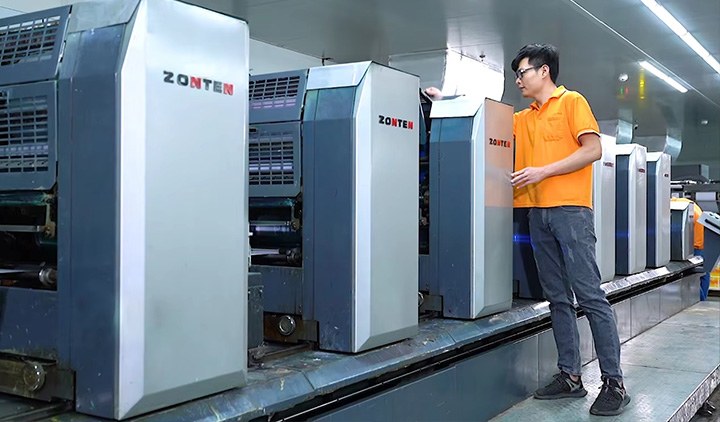
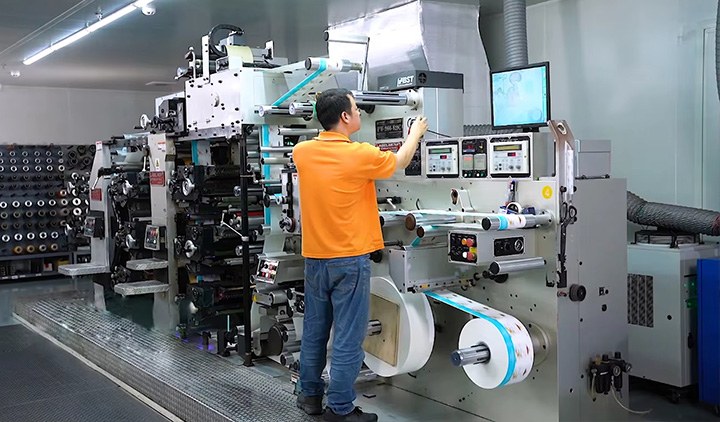
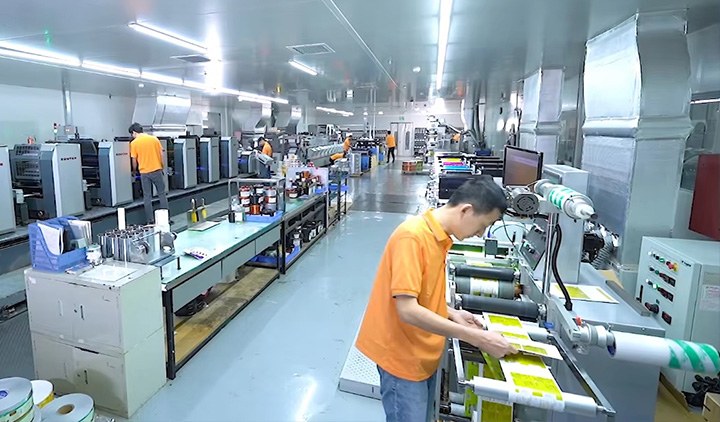
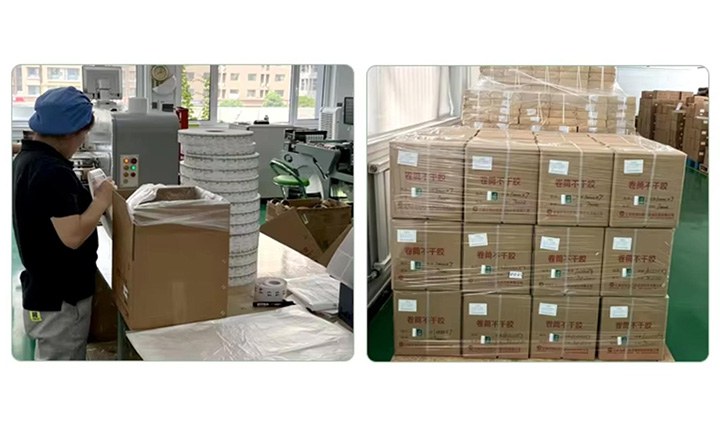
Custom Panda is a premium packaging label solution provider with extensive expertise in plastic bottle labeling across personal care, beverage, household, and industrial chemical markets. Our advanced manufacturing capabilities include high-speed flexo and digital printing, precision rotary die-cutting, and automated quality inspection systems, ensuring consistent quality and reliable supply for customers ranging from emerging brands to global enterprises. Our technical team provides comprehensive design consultation, material engineering, application support, and sustainability guidance, helping customers navigate the complex landscape of label selection and optimization. We offer rapid prototyping with digital proofing in as little as 12 hours, expedited production with typical lead times of 2 to 3 days after approval, and worldwide shipping with reliable logistics partners. Our proprietary adhesive formulations address common challenges including edge lifting on squeezable bottles, adhesion to low-surface-energy plastics, and performance in challenging temperature and humidity environments. We believe every label represents an opportunity to connect with consumers and elevate your brand, and we bring decades of industry experience and continuous innovation to every project. Contact Custom Panda today to discuss your plastic bottle labeling requirements and experience the difference of true end-to-end service and technical excellence.