What are Custom PET Labels?
Custom PET (Polyester) labels represent the pinnacle of label durability and performance, engineered specifically for extreme conditions where paper, polypropylene, and even other synthetic materials fall short. Made from high-performance polyethylene terephthalate, these labels offer exceptional resistance to high heat, harsh chemicals, UV radiation, and mechanical stress, all without shrinking, stretching, curling, or losing adhesion. In 2026, PET labels have become the industry standard for critical applications across electronics, automotive manufacturing, laboratory research, aerospace, and industrial equipment, where label failure is simply not an option. Their dimensional stability ensures that barcodes and serial numbers remain scannable, and critical safety information stays legible throughout the product's lifecycle, even under the most punishing conditions. While PET labels command a higher price point than other materials, their unmatched performance and reliability make them the only choice for applications where durability, compliance, and safety are paramount.
Types of Custom PET Labels
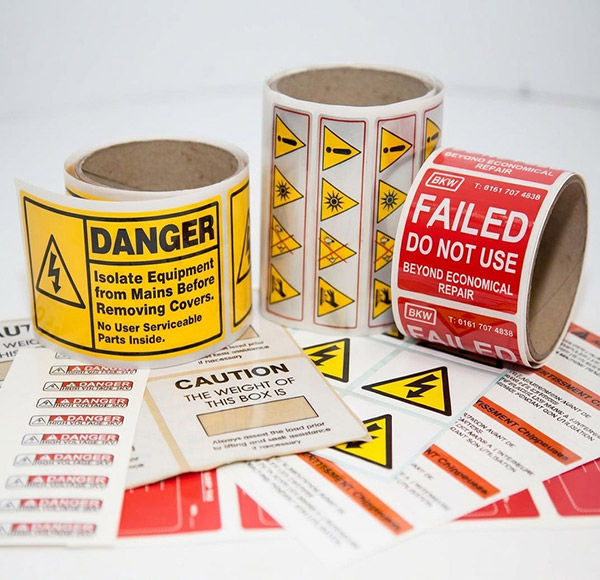
The PET label family encompasses several specialized variants, each designed to meet specific performance requirements and aesthetic preferences. White PET labels offer a bright, opaque surface that delivers exceptional print contrast and color vibrancy, making them the preferred choice for product branding, regulatory text, and barcode printing where high legibility is essential. Clear PET labels provide excellent transparency, creating a clean, sophisticated appearance on glass and clear plastic containers while offering superior resistance to heat and chemicals, ideal for premium beverage and cosmetic packaging. Matte PET labels feature a non-reflective, smooth surface that eliminates glare and provides a soft, premium tactile feel, particularly valued in high-end electronics and luxury goods where aesthetics and readability are equally important. Glossy PET labels have a high-shine, reflective finish that enhances color intensity and creates an eye-catching, premium appearance, popular for automotive parts and promotional materials. Silver or metallized PET labels incorporate a reflective metallic layer, offering a distinctive, high-end look that suggests durability and technological sophistication, often used for industrial equipment and premium consumer electronics. Ultra-thin PET labels are engineered for applications requiring extreme flexibility and conformability, such as curved electronic components or small-diameter cables, while maintaining the material's inherent durability.
Features of Custom PET Labels
Custom PET labels are defined by a comprehensive set of features that make them the material of choice for demanding applications. The most defining feature is exceptional temperature resistance, with PET labels maintaining their integrity and adhesion across a wide range from minus 40 degrees Celsius to over 150 degrees Celsius, making them suitable for both cryogenic storage and high-temperature manufacturing processes. Chemical resistance is another critical attribute, as PET stands up to exposure to solvents, fuels, cleaning agents, and harsh industrial chemicals without degradation of the substrate, print, or adhesive. UV resistance ensures that PET labels do not yellow, fade, or become brittle when exposed to prolonged sunlight, making them ideal for outdoor and automotive applications. Dimensional stability means that PET labels do not shrink, stretch, or curl when subjected to temperature fluctuations or moisture, ensuring that barcodes remain readable and graphics stay aligned over time. Mechanical durability is outstanding, with PET labels resisting tearing, abrasion, and scratching, protecting printed information from physical damage during handling and use. The material's excellent printability allows for sharp text, fine details, and accurate color reproduction across digital, flexographic, and thermal transfer printing methods. Additionally, PET labels are compatible with permanent and high-performance adhesives that maintain bond strength under extreme conditions, ensuring labels stay in place when and where they are needed most.
Functions of Custom PET Labels
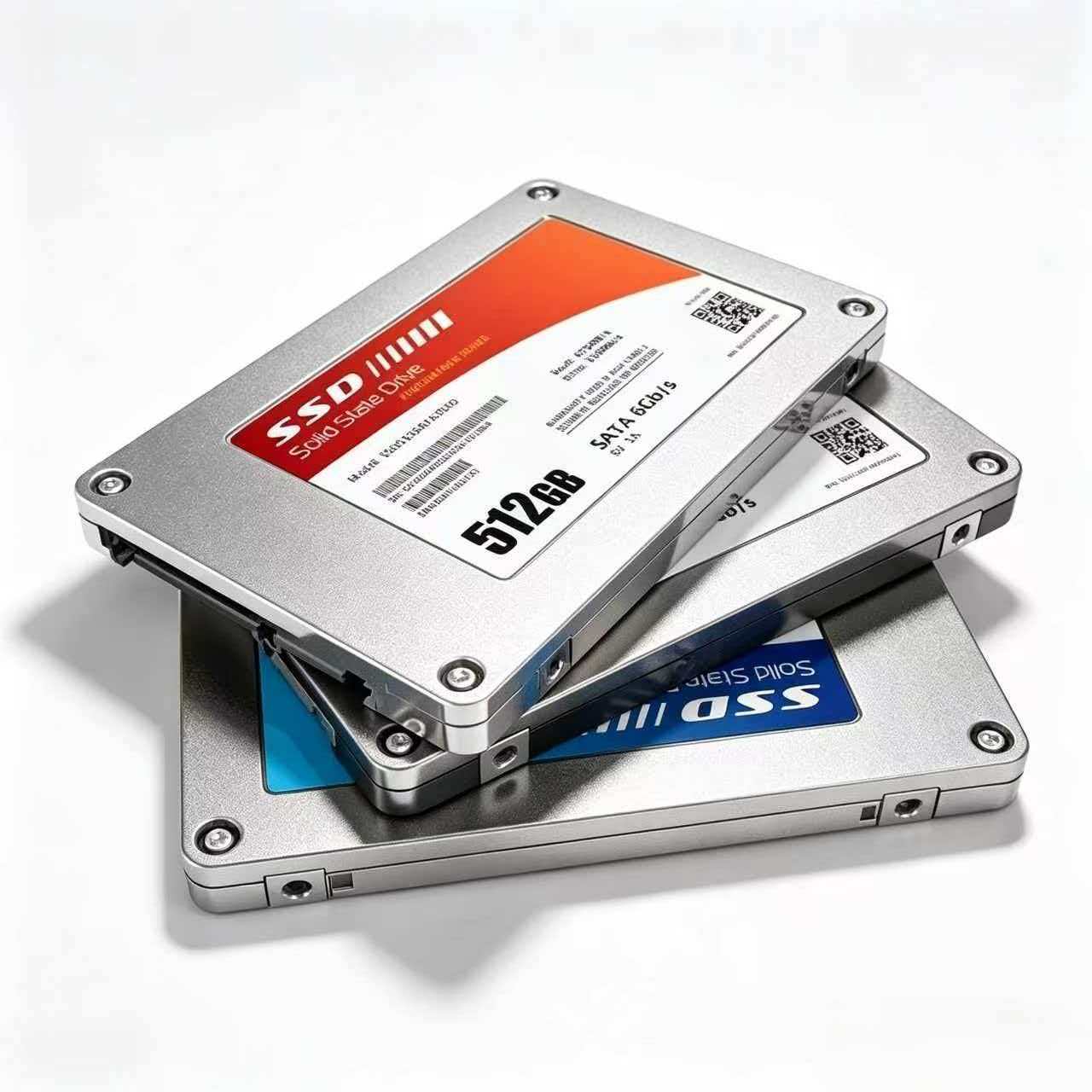
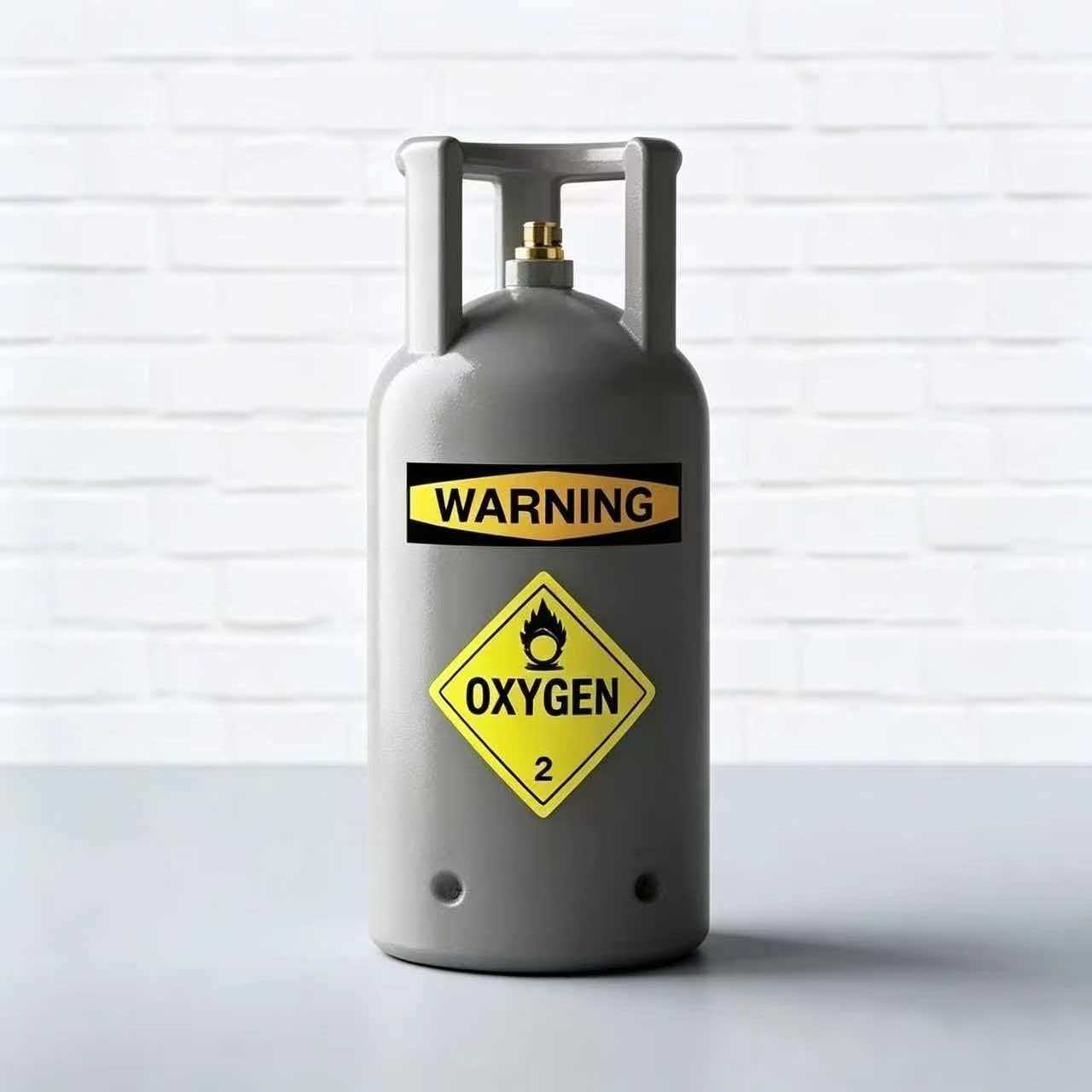
Custom PET labels serve critical functions across industries where label performance directly impacts safety, compliance, and operational efficiency. Their primary function is providing permanent identification and traceability in extreme environments, where barcodes, serial numbers, and asset tags must remain readable despite exposure to heat, chemicals, or mechanical stress, supporting accurate inventory management and quality control. In the electronics industry, PET labels are essential for component identification, warranty tracking, and safety compliance, withstanding high-temperature soldering processes and long-term use without degradation. For automotive applications, PET labels endure under-hood temperatures, oil and fluid exposure, and vibration, providing crucial identification for parts, VIN plates, and maintenance instructions over the vehicle's lifetime. In laboratory and healthcare settings, PET labels resist sterilization processes, cryogenic storage, and chemical exposure, ensuring accurate specimen tracking, equipment labeling, and hazard communication. Industrial equipment labels made from PET withstand factory conditions, including exposure to coolants, lubricants, and abrasive environments, providing durable identification and safety warnings. PET labels also function as asset tags for outdoor equipment and infrastructure, resisting UV degradation and weathering to protect investments and ensure compliance with safety and regulatory standards.
Top Five Custom PET Label Suppliers in 2026
Based on technical expertise, material quality, regulatory compliance, and customer satisfaction, five suppliers stand out in the custom PET label market for 2026. Brady Corporation leads with comprehensive high-performance label solutions, including specialized PET materials for extreme environments, backed by rigorous testing and certifications for aerospace, automotive, and electronics industries. Avery Dennison offers a broad portfolio of PET facestocks with advanced adhesive technologies, including products specifically engineered for low-energy surfaces, high-temperature applications, and chemical resistance, supported by global technical resources. UPM Raflatac is distinguished by its innovative PET label materials, including ultra-clear films and specialized surface treatments that enhance print adhesion and durability, with strong sustainability credentials. CCL Industries provides integrated PET labeling solutions with advanced printing and converting capabilities, serving demanding sectors such as medical devices, automotive, and industrial manufacturing with precision and reliability. Luminer has carved a specialized niche with creative converting for PET, offering multi-layer constructions, tamper-evident features, and custom shapes that add functional complexity to high-performance labels.
How to Select Custom PET Labels
Choosing the right custom PET label requires careful evaluation of the application environment, performance requirements, and regulatory demands to ensure uncompromising reliability. The first consideration is the specific exposure conditions; identify the maximum and minimum temperatures, chemical exposures, UV levels, and mechanical stresses the label will encounter, as these will determine the required material grade and adhesive system. Next, consider the application surface; PET labels must be matched to the substrate, whether smooth metal, textured plastic, or curved rubber, with appropriate adhesives that maintain bond strength under the expected conditions. The intended lifespan and required permanence are critical; permanent applications demand high-tack, cross-linking adhesives, while temporary or repositionable needs require careful adhesive selection to ensure clean removal. Printing method compatibility matters, as some PET grades are optimized for thermal transfer printing for durability, while others are designed for high-resolution digital or flexographic printing for complex graphics. Regulatory and compliance requirements must be reviewed, particularly for automotive (IMDS, ELV), electronics (UL recognition, RoHS), and healthcare (USP Class VI, FDA) applications, as certifications may be required. Sustainability considerations may influence selection, with options for recyclable PET films emerging in the market. Finally, budget must be balanced against performance, with PET labels offering a cost-effective solution compared to the costs of label failure and non-compliance.
Custom PET Label Size Guide
Size selection for PET labels follows practical guidelines based on product type, surface area, and visibility requirements, ensuring the label fits correctly and conveys information effectively for demanding applications. For electronic components and small circuit boards, labels ranging from 0.25 inches by 0.5 inches to 1 inch by 2 inches are common, providing sufficient space for serial numbers, barcodes, and component identification without interfering with circuit layout. Standard industrial equipment labels, used on machinery, panels, and tools, typically range from 2 inches by 3 inches to 6 inches by 8 inches, offering ample room for safety warnings, specifications, and identification numbers. Automotive parts labels vary widely, from small 0.5-inch by 1-inch labels for small components to larger 4-inch by 6-inch labels for VIN plates and under-hood compliance stickers, with shapes often conforming to specific part surfaces. Laboratory and healthcare labels, used on vials, tubes, and specimen containers, are typically 0.75 inches by 2 inches to 2 inches by 3 inches, sized for small surface areas while accommodating critical identification and tracking information. For pipe and cable identification, elongated labels from 1 inch by 4 inches to 2 inches by 8 inches are used, wrapping around the circumference for visibility from multiple angles. When determining the ideal size, consider the viewing distance, available surface area, and the amount of required text or imagery. A practical approach is to create a paper mock-up at actual size and place it on the product to assess visibility, readability, and overall balance before finalizing your order.
How to Customize Your PET Labels
The process of creating custom PET labels is a precision-driven exercise, transforming your technical and branding requirements into a high-performance, reliable finished product. The journey begins with design creation, where you develop your artwork, ensuring that critical elements like barcodes, serial numbers, and safety warnings are clearly positioned and sized for readability under the expected viewing conditions. For PET labels, designs often incorporate high-contrast colors and bold typography to ensure visibility despite potential exposure to glare, chemicals, or abrasion. It is essential to provide a high-resolution file of at least 300 dots per inch, using CMYK color mode, and to include a bleed margin of approximately 3 to 5 millimeters around all edges to account for cutting tolerances. Next, you select your PET material type, choosing from white, clear, matte, gloss, or metallized options based on your performance and aesthetic requirements, and deciding on any additional features such as protective laminates or anti-static coatings for specialized applications. The third step is choosing your adhesive, specifying whether you require permanent, extreme-temperature, or removable options, and ensuring the adhesive is compatible with your application surface and environmental conditions. Following this, you upload your design to your chosen supplier's platform, where their pre-press team reviews the file for technical requirements, checking color mode, resolution, and font compatibility before sending a digital proof for your final approval. Once you approve the proof, production commences with high-precision printing, followed by any coating or lamination, and finally die-cutting to your specified shape and size. The completed PET labels undergo rigorous quality inspection, including barcode verification and adhesion testing, before being carefully packaged and shipped, ready for application to your products.
How to Choose a Reliable Custom PET Label Supplier
Selecting a trustworthy supplier for custom PET labels is crucial for ensuring the quality, reliability, and compliance of your labels, directly impacting operational safety, regulatory compliance, and brand reputation. The first factor to evaluate is material quality and technical expertise; ask about the specific PET films used, their performance certifications, and the supplier's experience with applications similar to yours. Second, assess the supplier's testing capabilities and quality control processes, including material verification, adhesive testing, and in-line inspection systems that ensure consistent print and die-cut quality. Third, review their regulatory compliance and documentation support, particularly important for industries like automotive (IATF 16949), electronics (UL), and healthcare (ISO 13485), where material certifications and compliance statements are required. Fourth, examine their printing and converting capabilities, including resolution, registration accuracy, and the ability to handle complex shapes, multi-layer constructions, or specialty die-cuts. Fifth, evaluate their adhesive engineering expertise and inventory of adhesives, as the right adhesive is often as critical as the right facestock for PET labels. Sixth, review their turnaround times and minimum order quantities; suppliers offering flexibility with low minimums and fast production cycles can support both testing and large-scale deployment. Finally, read customer testimonials and case studies to gauge real-world experiences with order accuracy, delivery reliability, and post-purchase technical support.
About Our Company
Custom Panda stands as your dedicated partner in creating premium custom PET labels engineered for the most demanding applications, where reliability is non-negotiable. With a philosophy centered on technical expertise, flexibility, speed, and uncompromising quality, we have built a reputation as a manufacturer that truly understands the stringent requirements of electronics, automotive, laboratory, and industrial sectors. Our commitment to customer satisfaction is reflected in our core promises: there is no minimum order requirement, making us accessible for projects of any scale, from prototype validation to large production runs; we provide a free digital proof within just 12 hours of receiving your artwork, allowing you to visualize and perfect your design with zero risk; and our production process is exceptionally efficient, with orders ready in just 2 to 3 days after approval. We take pride in our competitive factory-direct pricing, which offers exceptional value without any compromise on material quality, print excellence, or adhesive performance. Our global shipping network ensures reliable delivery to your doorstep in just 5 to 7 days, wherever you are located. At Custom Panda, we believe that anyone can create professional custom products, which is why our expert design team is always available to assist with artwork adaptation and guidance, even if you have no prior design experience. Whether you are labeling critical electronic components, automotive parts, laboratory specimens, or industrial machinery, we bring your vision to life with PET labels that are engineered to perform under pressure, backed by certifications and testing that give you complete confidence. We invite you to start your custom project today and discover the Custom Panda difference—where technical excellence, quality, speed, and customer care come together to deliver the performance you demand.