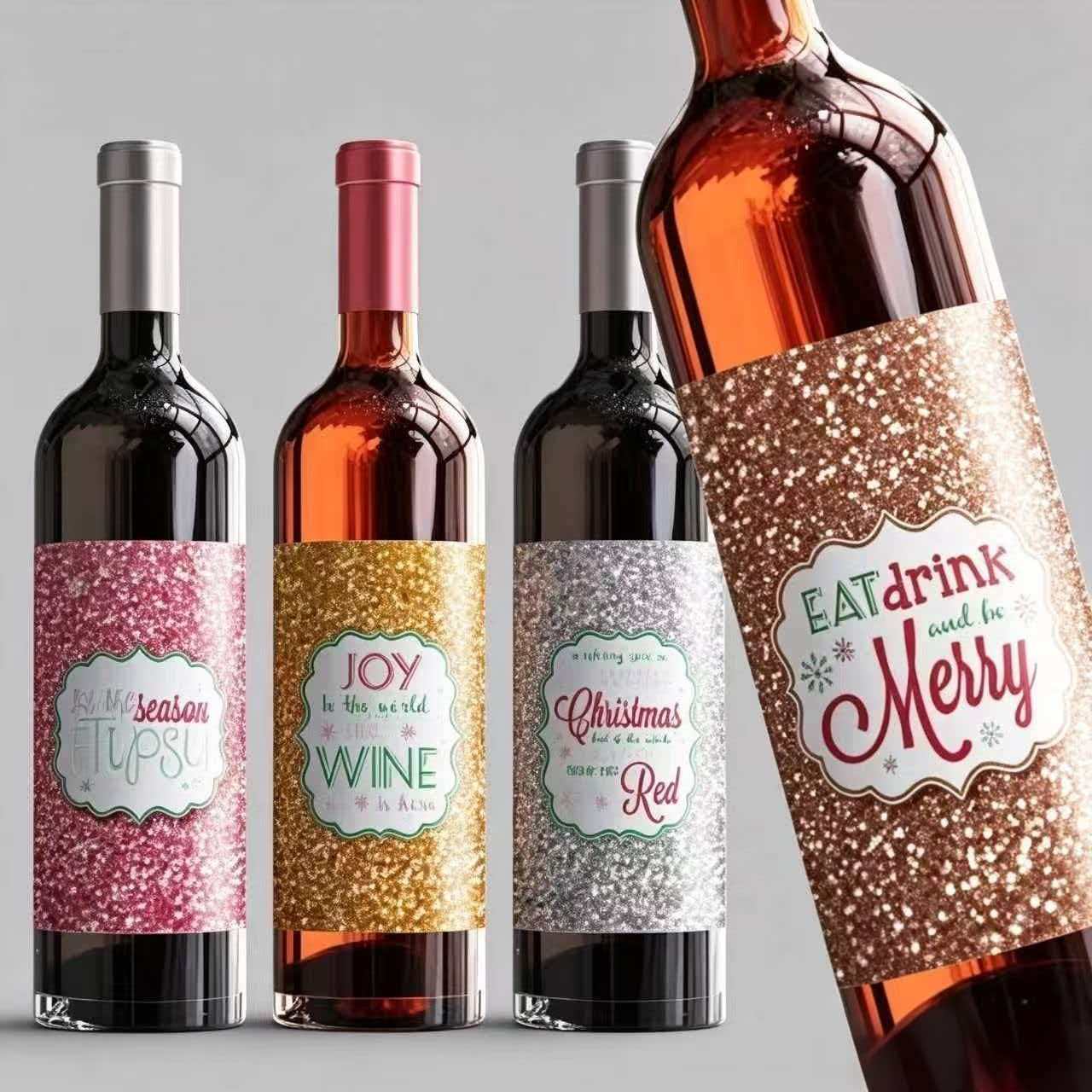
What are Custom Wine Labels?
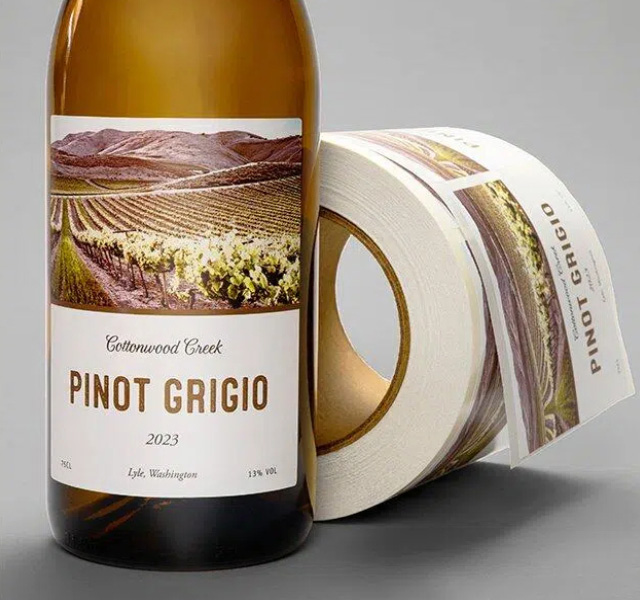
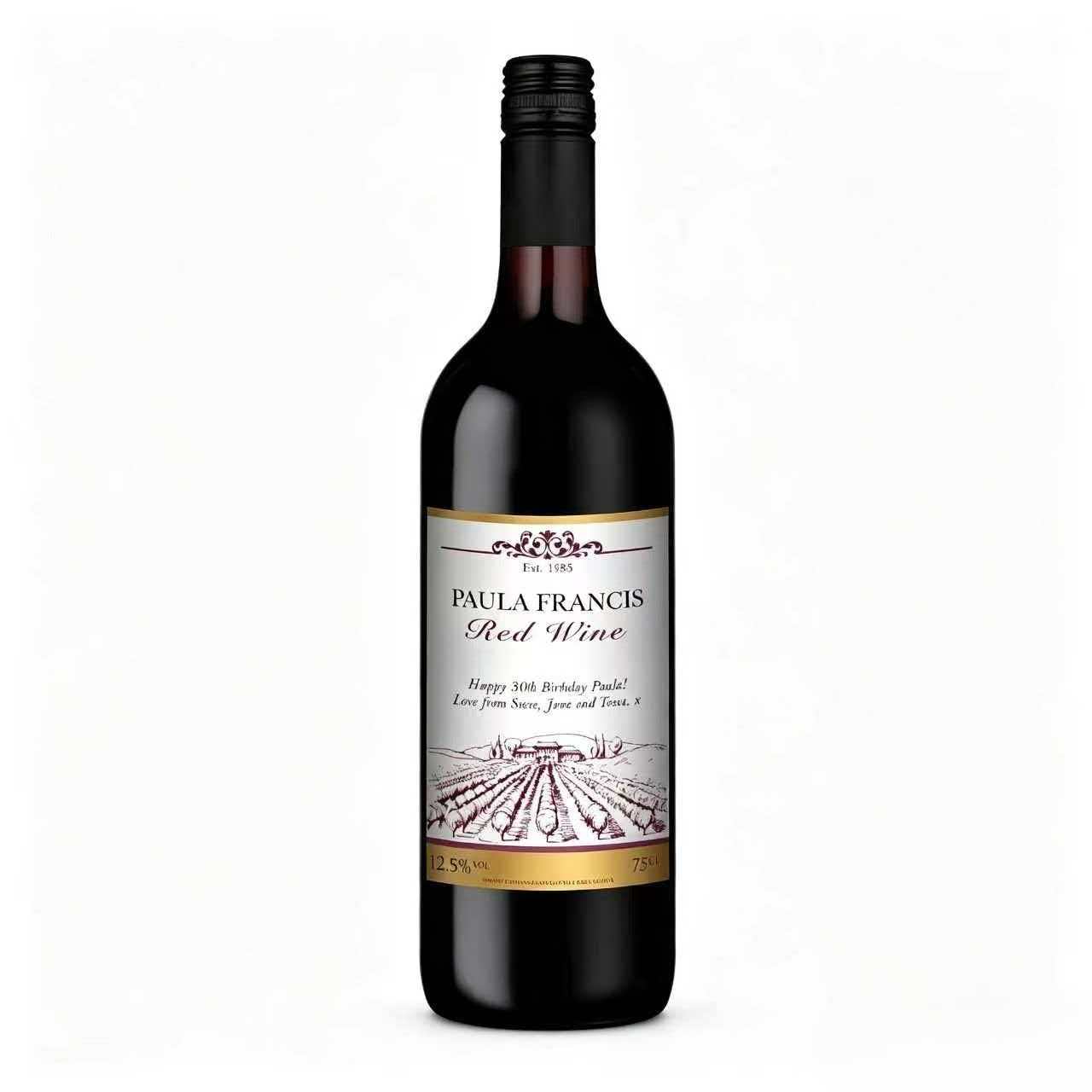
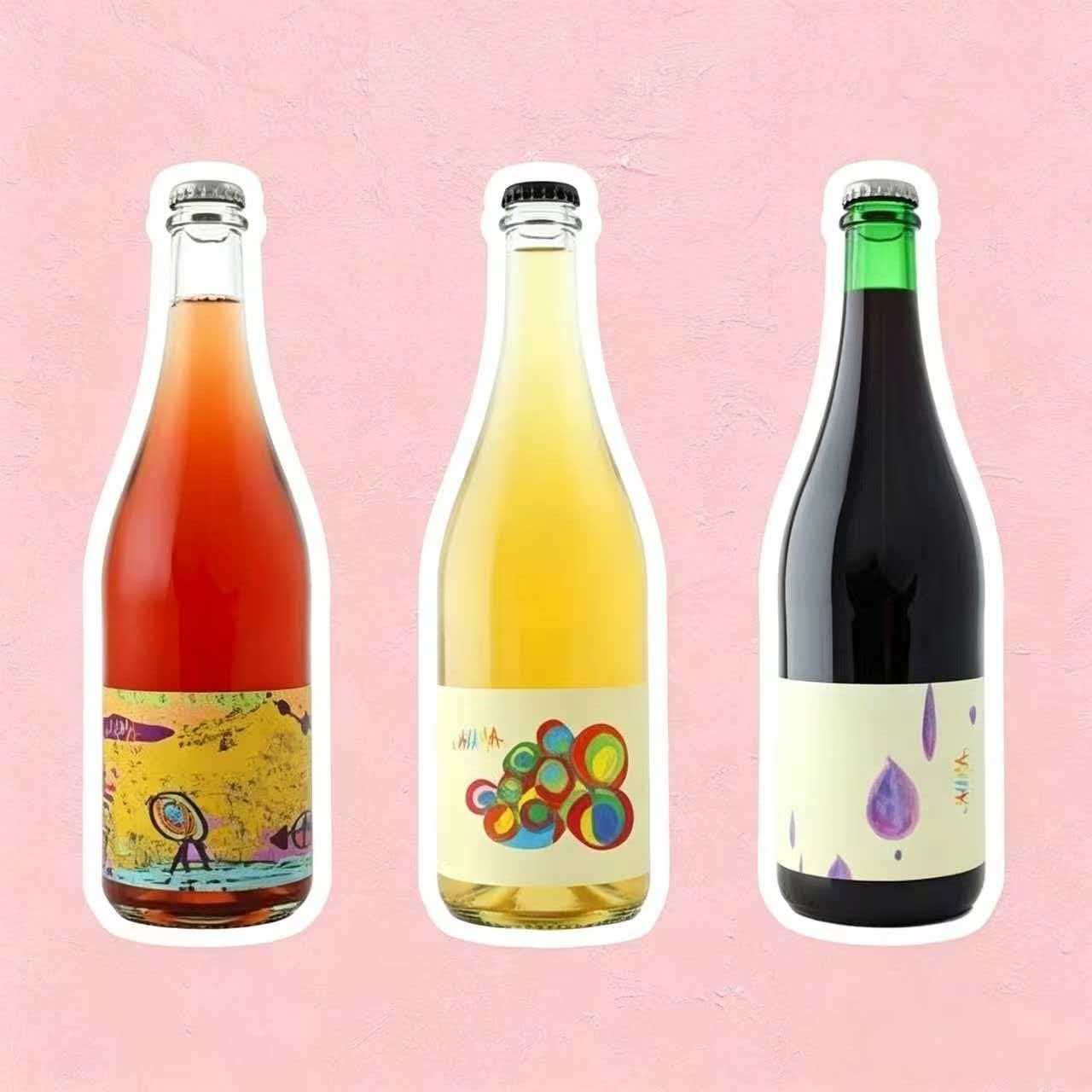
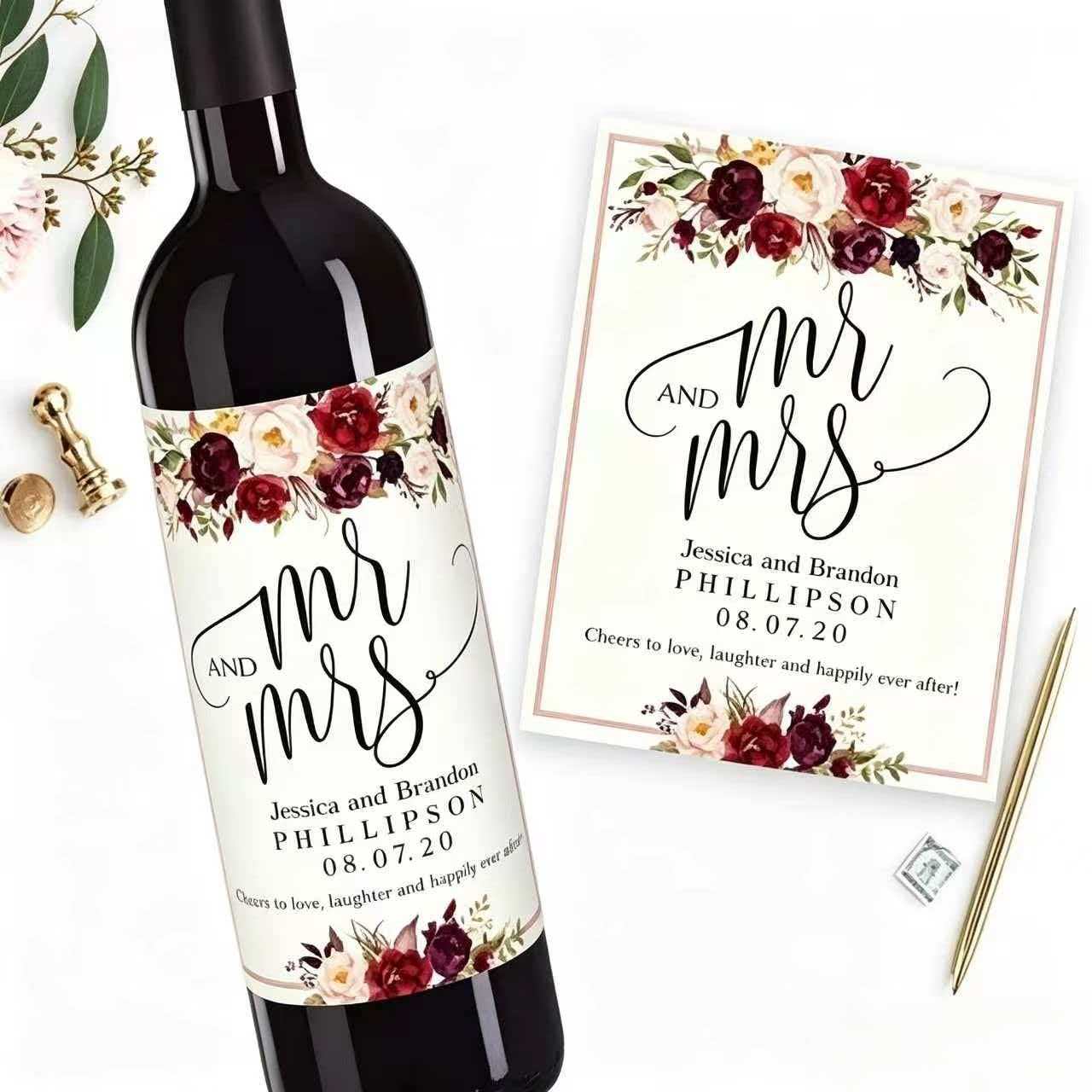
Custom wine labels are specialized adhesive labels designed specifically for the unique demands of the wine industry, engineered to bring vineyard elegance to every bottle while withstanding ice buckets, cellars, and condensation. Unlike standard labels, wine labels must endure the challenging conditions of wine storage and serving, including cool cellars, ice bucket immersion, condensation, and handling during tasting and pouring, while maintaining their sophistication, adhesion, and readability. In 2026, wine labels have become a critical element of wine branding and consumer experience, serving as the primary communication tool for vintage, varietal, and winery identity, while conveying the quality, tradition, and refinement of the wine inside. Whether you are bottling reds, whites, rosés, or sparkling wines, custom wine labels ensure your packaging looks as refined as your vintage tastes, creating a memorable experience from cellar to glass. These labels represent a careful balance of aesthetic elegance, durable performance, and functional reliability, delivering labels that enhance the wine journey from first sight to last sip.
Types of Custom Wine Labels
The wine label family includes several distinct types, each designed to meet specific performance requirements and aesthetic preferences for different wine applications. Front wine labels are the primary label on the bottle, featuring the winery name, vintage, varietal, and key design elements, creating the first impression and communicating the wine's identity and quality. Back wine labels provide detailed information, including tasting notes, food pairing suggestions, alcohol content, and winemaker stories, enhancing the consumer experience and educating the buyer. Neck labels are small labels wrapped around the bottle neck, adding a premium touch and often featuring additional branding, vintage, or decorative elements that complete the wine's presentation. Reserve and estate labels are premium labels used for higher-tier wines, often featuring enhanced materials, finishes, and design details that communicate exclusivity and superior quality. Sparkling wine labels are engineered for the unique demands of sparkling wines, with materials and adhesives that withstand the pressures of carbonation, ice bucket immersion, and moisture. Clear wine labels offer a "no-label" look on clear glass, allowing the wine's natural color to show through while providing durable, moisture-resistant branding, ideal for minimalist and contemporary wine brands. Kraft wine labels feature a natural, earthy texture that communicates authenticity and artisanal quality, perfect for organic, natural, and boutique wineries. Matte wine labels offer a soft, non-glare finish that provides a sophisticated, premium feel, complementing classic and luxury wine brands with understated elegance. Glossy wine labels deliver a mirror-like shine that makes colors pop, creating an eye-catching, vibrant appearance suited to bold, modern wine brands. Foil and metallic wine labels incorporate premium finishes that add a touch of luxury, ideal for premium and limited-edition wines.
Features of Custom Wine Labels
Custom wine labels are defined by a set of features that ensure reliable performance in wine environments while delivering exceptional visual appeal and sophistication. The most defining feature is ice bucket and cold temperature resistance, with wine labels engineered to withstand prolonged exposure to ice water and cold temperatures without losing adhesion, wrinkling, or degrading, ensuring labels remain intact and elegant throughout chilling and serving. Condensation resistance is a hallmark, with wine labels designed to repel moisture from condensation that forms on cold wine bottles, preventing warping, peeling, and degradation, ensuring labels maintain their sophisticated appearance. Moisture and water resistance ensure that labels maintain their integrity despite exposure to water, spills, and ice bucket immersion, preventing staining, bleeding, and deterioration. Strong adhesion to glass bottles is engineered into wine labels, with specially formulated adhesives that bond securely to glass surfaces and maintain bond strength despite cold temperatures, moisture, and handling. Temperature change resistance ensures that wine labels withstand the expansion and contraction of glass bottles due to temperature fluctuations without wrinkling, puckering, or lifting, maintaining a smooth, professional appearance. Print quality is exceptional, with wine labels delivering sharp text, vivid colors, and fine details that faithfully reproduce complex branding, calligraphy, and imagery, enhancing shelf appeal and premium perception. Scratch and scuff resistance ensure that wine labels withstand handling, storage, and transport without compromising print quality or appearance. Flexibility in materials allows for a wide range of finishes, including matte, gloss, clear, kraft, and metallic, as well as specialty effects like foil stamping, embossing, and letterpress, enabling wineries to achieve their exact design vision. Additionally, many wine labels are available with eco-friendly materials and adhesives, supporting sustainability goals without compromising the premium look.
Functions of Custom Wine Labels
Custom wine labels serve essential functions that are critical to wine brand success, consumer engagement, and regulatory compliance in the wine market. Their primary function is brand communication and storytelling in a refined, wine-specific context, with the label's design, material, and finish communicating the winery's heritage, the vintage's character, and the wine's quality, creating an emotional connection with consumers and influencing purchase decisions. Wine labels function as visual differentiators in a crowded market, with elegant designs, premium finishes, and distinctive typography attracting consumer attention on retail shelves and signaling quality, authenticity, and refinement. They serve as essential informational carriers, delivering vintage, varietal, appellation, alcohol content, and tasting notes in a clear, elegant format that educates consumers and enhances the wine experience. In retail and restaurant environments, wine labels support brand recognition and sommelier recommendations, with distinctive designs helping consumers identify and remember favorite wines. Wine labels serve as regulatory compliance tools, delivering mandatory information including alcohol content, sulphite warnings, and government warnings in formats that meet TTB and other regulatory requirements. They function as sensory storytelling tools, with design elements, typography, and imagery communicating the wine's aroma, flavor, and sense of place, creating a narrative that transports the consumer to the vineyard. Additionally, wine labels support luxury positioning and gifting, with premium materials, finishes, and designs justifying premium pricing and encouraging gifting, especially for reserve and limited-edition wines. For sparkling wines, labels also function as a seal of quality and authenticity, with the label's durability reinforcing consumer confidence in the product's integrity.
Top Five Custom Wine Label Suppliers in 2026
Based on material innovation, aesthetic sophistication, moisture resistance, and customer satisfaction, five suppliers stand out in the custom wine label market for 2026. Avery Dennison leads with comprehensive wine labeling solutions, including ice-resistant adhesives, condensation-resistant films, and a wide range of finishes from matte to metallic, backed by global technical expertise and material innovation. UPM Raflatac is distinguished by its innovative wine label materials, including ultra-premium papers and films, clear options for minimalist designs, and sustainable materials, with strong environmental certifications and a deep understanding of wine industry aesthetics. CCL Industries provides integrated wine labeling solutions with advanced printing and converting, serving wineries from boutique producers to global brands with precision and scale. Luminer has carved a niche with creative converting for wine labels, offering custom shapes, multi-layer constructions, and specialty finishes like foil stamping and embossing that add premium visual and tactile interest. Multi-Color Corporation offers comprehensive wine labeling solutions with global regulatory expertise and advanced color management, ensuring consistent quality across multiple markets and production sites, and offering specialized wine label design and finishing capabilities.
How to Select Custom Wine Labels
Choosing the right custom wine label requires careful evaluation of the wine type, storage and serving conditions, bottle design, and brand identity to achieve optimal results. The first consideration is the wine type and storage conditions; red wines, whites, rosés, and sparkling wines each have different storage and serving conditions, with sparkling wines requiring labels that withstand ice bucket immersion and pressure changes. Next, consider the serving conditions; wines served chilled or over ice require labels with ice bucket and condensation resistance, while wines served at room temperature have fewer demands. The bottle design should be evaluated; traditional Bordeaux, Burgundy, and sparkling bottles each have different shapes and surface areas, requiring labels sized and shaped accordingly. The desired aesthetic and brand identity guide material and finish selection, with traditional matte or textured papers for classic and reserve wines, gloss or metallic for modern and bold brands, and kraft for organic and natural wineries. The use of premium effects such as foil stamping, embossing, and letterpress should be considered for luxury and limited-edition wines, adding tactile and visual sophistication. The application method should be considered; manual application allows for a wider range of materials, while automatic labeling requires precise roll specifications. Printing method compatibility should be reviewed, as some materials are optimized for digital, flexographic, or offset printing. Regulatory requirements, including alcohol content, sulphite warnings, and government warnings, must be accommodated in the label design. Sustainability goals may influence material choice, with options for recycled papers, bio-based films, and eco-friendly adhesives increasingly available. Finally, budget constraints must be balanced against quality requirements, with paper offering a cost-effective entry point and premium materials providing enhanced aesthetic appeal and durability at a higher price point.
Custom Wine Label Size Guide
Size selection for wine labels follows practical guidelines based on bottle type, surface area, and design impact, ensuring the label fits perfectly and enhances the wine's visual appeal. For standard Bordeaux and Burgundy bottles, front labels typically range from 3.5 inches by 4.5 inches to 4 inches by 6 inches, providing ample space for winery name, vintage, varietal, and decorative elements, while back labels range from 3 inches by 4 inches to 4 inches by 5 inches for tasting notes and regulatory information. For sparkling wine and Champagne bottles, front labels are often slightly larger, ranging from 4 inches by 5 inches to 4.5 inches by 6.5 inches, with back labels sized accordingly. For smaller bottles and sample sizes, labels ranging from 2.5 inches by 3.5 inches to 3 inches by 4.5 inches are common, providing essential branding while maintaining a proportional appearance. Neck labels typically range from 1 inch by 2 inches to 1.5 inches by 3 inches, adding a premium finishing touch and additional branding opportunity. For magnum bottles and larger formats, labels are sized proportionally larger, from 5 inches by 7 inches upward, ensuring visual impact and readability. For minimalist and modern designs, smaller labels from 2 inches by 3 inches to 3 inches by 4 inches are used, creating a clean, contemporary look. When determining the ideal size, consider the bottle shape, viewing distance, and the amount of required text or imagery, ensuring the label enhances rather than overwhelms the bottle. A practical approach is to create a paper mock-up at actual size and place it on the bottle to assess visibility, readability, and overall balance, considering the bottle's curves and the label's placement, before finalizing your order.
How to Customize Your Wine Labels
The process of creating custom wine labels is a refined and precise journey, transforming your winery's story, vintage character, and brand vision into a finished label that conveys elegance and quality. The journey begins with design creation, where you develop your artwork, considering the wine type, bottle shape, label material, and finish. For wine labels, designs often incorporate elegant typography, rich colors, and sophisticated imagery or heraldic elements that communicate the winery's heritage, the vintage's character, and the wine's quality. It is essential to provide a high-resolution file of at least 300 dots per inch, using CMYK color mode, and to include a bleed margin of approximately 3 to 5 millimeters around all edges to account for cutting tolerances. If using specialty effects like foil stamping or embossing, provide clear indications of where these effects should be applied. Next, you select your wine label material, choosing from options such as matte, gloss, clear, kraft, or specialty papers and films based on your aesthetic preferences, and ensuring the material offers the necessary moisture and cold temperature resistance for your wine and serving conditions. The third step is choosing your adhesive, specifying whether you require permanent, high-tack, or removable options, and ensuring the adhesive is specifically formulated for glass bottles and maintains bond strength in cold, wet conditions. Following this, you upload your design to your chosen supplier's platform, where their pre-press team reviews the file for technical requirements, checking color mode, resolution, and font compatibility before sending a digital proof for your final approval. Once you approve the proof, production commences with high-precision printing, followed by any coating, lamination, or specialty finishing for protection and premium effect, and finally die-cutting to your specified shape and size. The completed wine labels undergo quality inspection, including moisture resistance and adhesion testing, before being carefully packaged and shipped, ready for application to your wine bottles.
How to Choose a Reliable Custom Wine Label Supplier
Selecting a trustworthy supplier for custom wine labels is crucial for ensuring the quality, sophistication, and performance of your labels, directly impacting brand perception, consumer experience, and sales. The first factor to evaluate is material expertise and aesthetic capability; ask about the specific materials, papers, and finishes available, their moisture and cold resistance, and the supplier's experience with wine applications similar to yours, including their ability to produce premium effects like foil stamping and embossing. Second, assess the supplier's printing capabilities and quality control, requesting physical samples to examine print clarity, color accuracy, and the quality of any specialty finishing. Third, review their converting capabilities, including die-cutting precision and the ability to handle custom shapes, complex contours, and specialty constructions. Fourth, examine their design support and customer service, particularly their understanding of wine branding and their willingness to provide guidance on material selection, finishing effects, and artwork optimization. Fifth, evaluate their turnaround times and minimum order quantities; suppliers offering low minimums and fast production cycles provide valuable flexibility for testing new vintages, limited editions, and scaling production. Sixth, consider their sustainability practices and material options, particularly if eco-friendly labeling is important to your winery's values. Finally, read customer reviews and testimonials, particularly from wineries and wine brands, to gauge real-world experiences with order accuracy, delivery reliability, post-purchase support, and the ability to deliver labels that meet the high standards of the wine industry.
About Our Company
Custom Panda stands as your dedicated partner in creating premium custom wine labels that bring vineyard elegance to every bottle, engineered to withstand ice buckets, cellars, and condensation while staying secure and sophisticated on glass bottles. With a philosophy centered on aesthetic refinement, technical expertise, creative versatility, flexibility, speed, and uncompromising quality, we have built a reputation as a manufacturer that truly understands the unique requirements of wineries, from boutique producers to established brands. Our commitment to customer satisfaction is reflected in our core promises: there is no minimum order requirement, making us accessible for projects of any scale, from small-batch artisanal wines to large production runs; we provide a free digital proof within just 12 hours of receiving your artwork, allowing you to visualize and perfect your design with zero risk; and our production process is exceptionally efficient, with orders ready in just 2 to 3 days after approval. We take pride in our competitive factory-direct pricing, which offers exceptional value without any compromise on material quality, print excellence, specialty finishing, or the moisture and cold resistance that wine labels demand. Our global shipping network ensures reliable delivery to your doorstep in just 5 to 7 days, wherever you are located. At Custom Panda, we believe that anyone can create professional custom products, which is why our expert design team is always available to assist with artwork adaptation, finishing recommendations, and guidance, even if you have no prior design experience. Whether you are bottling reds, whites, rosés, or sparkling wines, we bring your vision to life with wine labels that look as refined as your vintage tastes. We invite you to start your custom project today and discover the Custom Panda difference—where quality, expertise, creativity, elegance, speed, and customer care come together to exceed your expectations.