



What are Natural Wine Labels?
Natural wine labels are a distinctive and expressive category of adhesive labels designed specifically for natural wines. Natural wine is a movement that emphasizes minimal intervention in the vineyard and the winery, using organic or biodynamic grapes, native yeasts, and little to no added sulfites. The labels for these wines are a direct reflection of this philosophy, often characterized by a bold, artistic, and unconventional aesthetic. They are a powerful medium for storytelling, communicating the wine's unique origin, the winemaker's personality, and a commitment to authenticity and terroir.
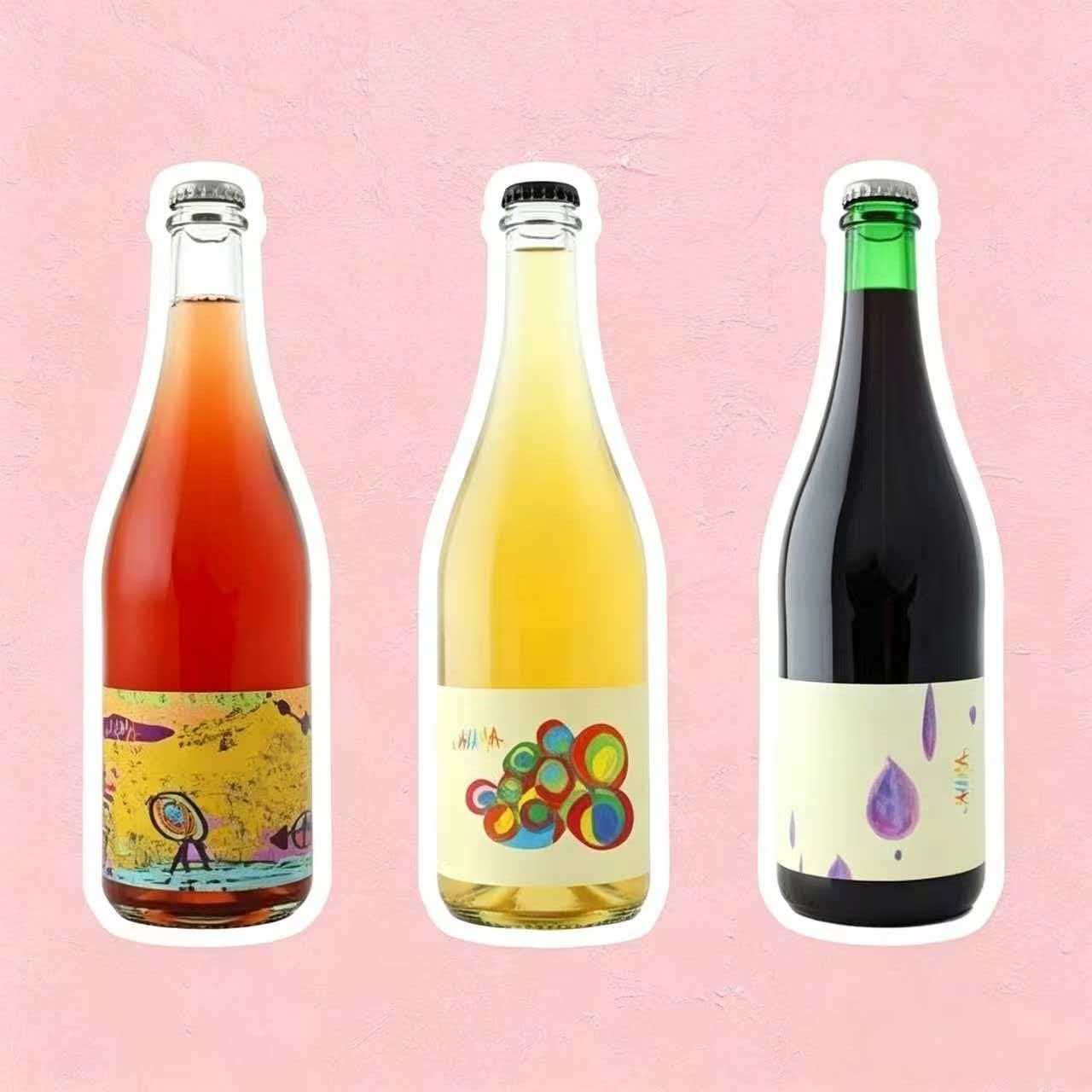
Unlike the classic, traditional labels of conventional wines, natural wine labels often break the mold. They tend to be minimalist, abstract, or even whimsical, often featuring hand-drawn illustrations, expressive typography, or a striking use of color. They may be printed on simple, uncoated paper or recycled materials, forgoing the metallic foils and heavy embossing of more conventional wine labels. The visual language is one of raw creativity and non-conformity, appealing to a consumer base that values individuality, transparency, and a connection to the land. At Custom Panda, we celebrate this creativity and have the expertise to bring these unique artistic visions to life.
Types of Natural Wine Labels
Natural wine labels come in several distinct types, each reflecting different expressions of the natural wine ethos. One of the most popular types is the hand-drawn or illustrative label. These labels feature original artwork created by the winemaker, a local artist, or a collaborator. The art can range from playful and quirky to deeply abstract. This type is highly personal and tells a story, making each label feel like a unique piece of art. They are a perfect reflection of the independent, artisanal spirit of natural wine.
Another common type is the typographic label. These labels are often text-based, using expressive fonts and bold colors to create visual impact. They might feature only the producer's name and the wine's name in a unique typeface. This minimalist approach relies on the visual power of typography to communicate the wine's style. This style often feels modern and unpretentious. It can be powerful in its simplicity and is a favorite among minimalist designers.
A third type is the abstract or conceptual label. These labels use non-representational imagery, color fields, and patterns to evoke a mood or a feeling. They might use a single bold color or a complex arrangement of shapes. They are often visually arresting and invite the consumer to interpret their meaning. This type of label is for winemakers who want to challenge conventions and create a sense of intrigue. The imagery is open to interpretation, adding to the wine's mystique.
Features of Natural Wine Labels
The most defining feature of a natural wine label is its artistic and non-conformist expression. It is a celebration of creativity and individuality. The design is often highly personal and reflects the winemaker's unique vision. This is in stark contrast to the standardized, traditional look of many commercial wine labels. This individuality is a key part of the product's appeal and a powerful differentiator in a crowded market.
Another key feature is the use of tactile and sustainable materials. Natural wine labels are frequently printed on uncoated, textured papers, like kraft paper or recycled paper, which feel organic and authentic. This choice of material reinforces the wine's connection to nature and its commitment to sustainability. The matte, uncoated surface also absorbs light and feels substantial, adding to the overall sensory experience of the bottle.
Natural wine labels also often feature limited color palettes and simple, often handcrafted, printing techniques. The use of single or spot colors, rather than full-color process printing, is common. This approach is both cost-effective and aligns with the minimalist aesthetic. The result is a label that feels intentional and deliberate, contributing to the wine's authentic and unpretentious image.
Functions of Natural Wine Labels
The primary function of a natural wine label is to communicate the wine's philosophy and its winemaker's story. In a market where natural wine is a niche but growing category, the label is the primary way to signal its authenticity and differentiate it from conventional wines. The label tells the consumer that this is not a mass-produced product, but a carefully crafted, artisanal wine with a unique narrative.
They also serve a crucial function in attracting a specific consumer demographic. Natural wine drinkers are often adventurous, curious, and appreciative of art and design. The label is a key factor in their decision to purchase. A distinctive, artistic label can pique their interest and encourage them to try something new. This is a consumer base that values a compelling story and a unique aesthetic.
Furthermore, natural wine labels function as a key element of the wine's overall identity and personality. They create an emotional connection between the producer and the consumer. A quirky illustration or a bold typographic statement can make a wine memorable and build brand loyalty. In the natural wine community, the label is an integral part of the product's identity and is often discussed and celebrated as much as the wine itself. This connection is powerful and authentic.
Top 3 Natural Wine Labels in the Year 2026
Based on current market trends and the evolution of the natural wine movement, the top three types of natural wine labels in 2026 are eco-print labels, interactive art labels, and community-collaboration labels. Eco-print labels are the most popular choice for producers with a strong commitment to sustainability. These labels are printed using water-based inks on hemp, cotton, or other plant-based papers. The labels themselves are fully compostable. This aligns perfectly with the natural wine ethos and appeals to the most environmentally conscious consumers.
Interactive art labels are an innovative category that connects the physical label to the digital world. These labels include a QR code or NFC tag that links to a short film about the winemaker, a playlist curated to enjoy with the wine, or an augmented reality experience that brings the label's artwork to life. This approach bridges the gap between the artisanal and the modern, appealing to a younger, tech-savvy demographic. It adds depth and layers to the wine's story.
Community-collaboration labels are a unique and highly valued category. These are labels that are the result of a collaboration between the winemaker and a local artist, musician, or designer. This type of label is highly authentic and supports the local community. The resulting label is often a limited edition, making it collectible. The collaboration itself is part of the label's story, adding value and uniqueness.
How to Select Natural Wine Labels
Selecting the right natural wine label involves a balance of artistic expression, practical performance, and cost. The first factor is the brand's identity and the winemaker's story. The label must be an authentic reflection of this. A simple, text-based label might be perfect for a minimalist winemaker, while a highly detailed illustration is better for a more expressive, artistic producer. The label is a direct extension of the winemaker's personality.
The second factor is the material selection. Uncoated, textured papers are the most authentic choice, but they may be less durable than coated papers. The adhesive must also be considered. If the wine is to be chilled, a moisture-resistant adhesive is needed. The practical considerations of how the wine will be stored and served should not be overlooked.
The third factor is the budget. While natural wine labels are often simpler in design, the use of custom illustrations, special papers, and eco-friendly materials can still be costly. The goal is to find a creative and impactful solution that works within the budget. Often, a highly creative design with a single color on a simple paper can be as effective as a more complex, expensive label.
Natural Wine Labels Size Guide
The size of a natural wine label is determined by the bottle and the information it must display. Standard wine bottles typically feature a main front label and a smaller back label. The front label usually ranges from 3.5 inches to 4.5 inches in height and 4 inches to 5 inches in width. The back label is often smaller, around 2 inches by 3 inches, and contains legal and technical information. The specific dimensions are often chosen to allow the artwork to be the centerpiece.
How to Customize Natural Wine Labels
Customizing natural wine labels begins with a creative vision. The first step is to develop the artwork, which is often the most exciting part. This could be a commissioned illustration, a typographic design, or a conceptual piece. The design should be authentic and reflect the wine's philosophy.
Next, the materials are selected. The choice of paper and any special finishes are made. For a natural wine, uncoated, recycled, or handmade papers are the most fitting. A digital proof is then created for final review and approval. Once approved, the labels are printed. The production process should respect the artisanal quality of the product.
Supplier of Natural Wine Labels
An ideal supplier for natural wine labels must be able to produce high-quality work on specialty papers and with eco-friendly options. They should offer a range of sustainable materials and be able to realize complex and creative designs.
Custom Panda: Your Partner in Custom Labels
Custom Panda is a premier manufacturer and a trusted partner for high-quality custom label solutions. As a factory-direct supplier, we offer premium products at competitive, cost-effective prices, saving you up to 30% on your orders. Our commitment to exceptional quality, speed, and customer service has made us the preferred choice for businesses of all sizes.
We specialize in a comprehensive range of custom labels, including natural wine labels, red wine labels, and white wine labels. Our streamlined process is designed for your convenience and satisfaction. We offer free design assistance to help perfect your artwork, and we provide a free digital proof within 12 hours of receiving your design, ensuring you are completely satisfied before we start production.
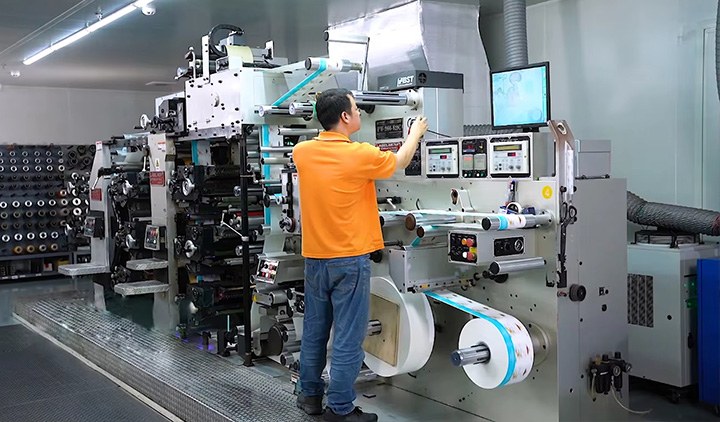
Our production phase is exceptionally fast, with most orders completed in just 2 to 3 days. We then dispatch your labels with free worldwide shipping, ensuring delivery within 5 to 7 business days. We understand that projects come in all sizes, which is why we have no minimum order quantity. Whether you need a small batch for a new vintage or a large order for a major release, Custom Panda has the expertise and capacity to deliver outstanding, professional-grade natural wine labels. Choose Custom Panda for labels that are as unique and expressive as your wine.