
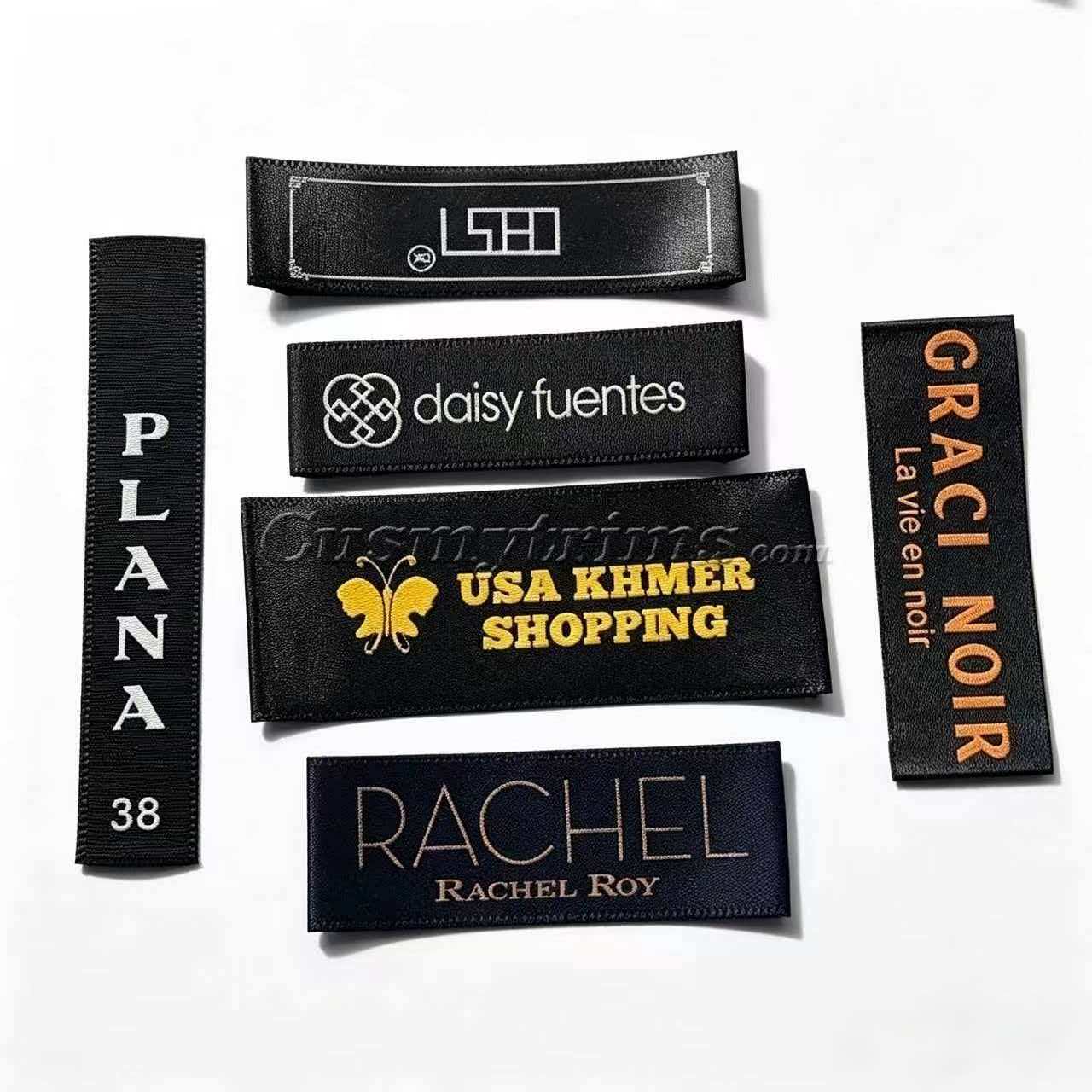
What are Custom Clothing Labels?
Custom clothing labels are specialized identification tags designed specifically for the apparel industry, engineered to sew your brand into every stitch while withstanding washing, drying, and daily wear. Unlike adhesive labels for packaging, clothing labels are attached directly to garments, requiring materials and printing methods that remain soft, readable, and secure through repeated laundering and use. In 2026, clothing labels have become an essential element of apparel branding and quality communication, serving as the primary identifier for brand identity, size, care instructions, and fabric composition, while enhancing the garment's perceived value and authenticity. Whether you are designing t-shirts, hoodies, loungewear, accessories, or any apparel item, custom clothing labels ensure your brand is seamlessly integrated into the garment, delivering labels as comfortable and durable as the clothes themselves. These labels represent a perfect balance of softness, durability, and brand communication, making them an indispensable component of quality apparel.
Types of Custom Clothing Labels
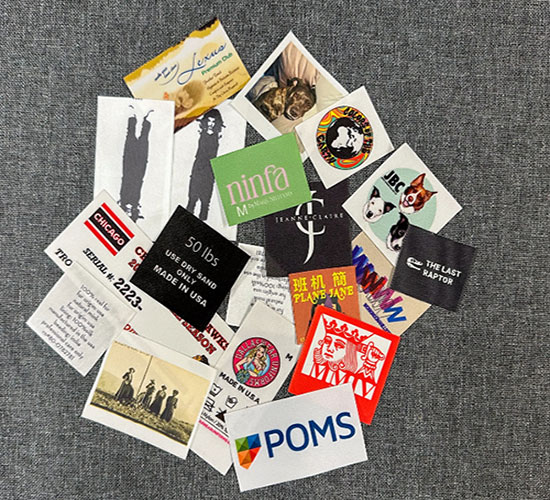
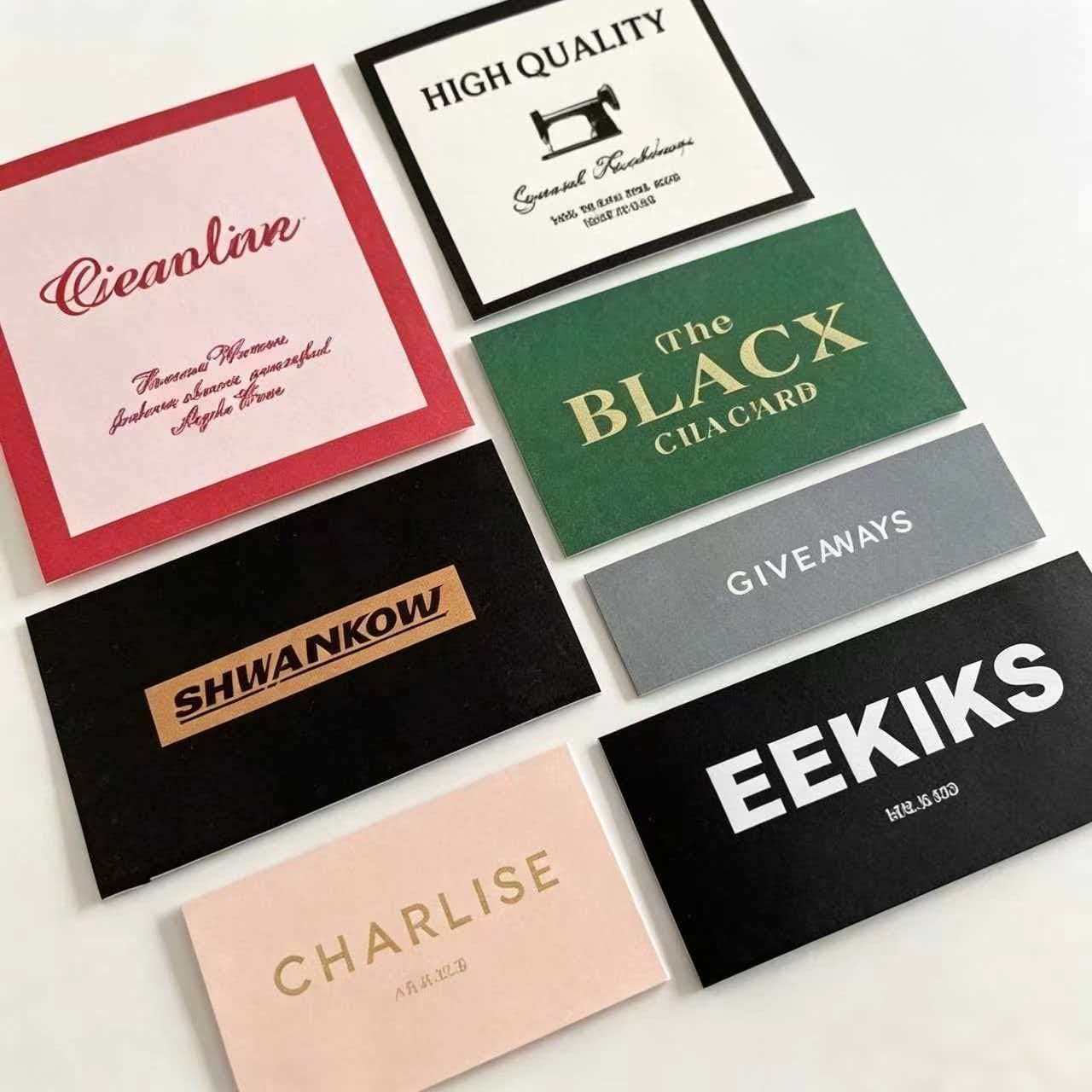
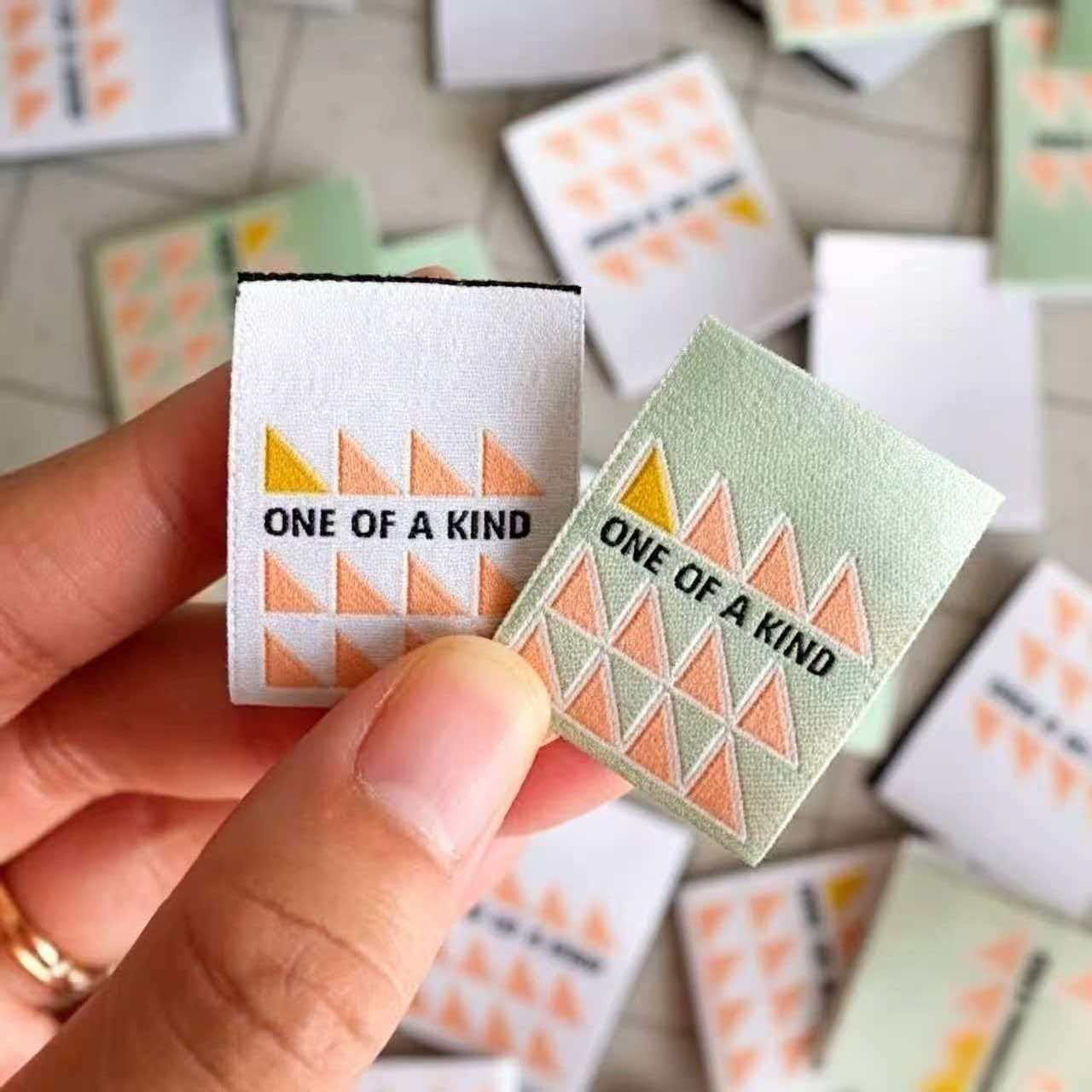
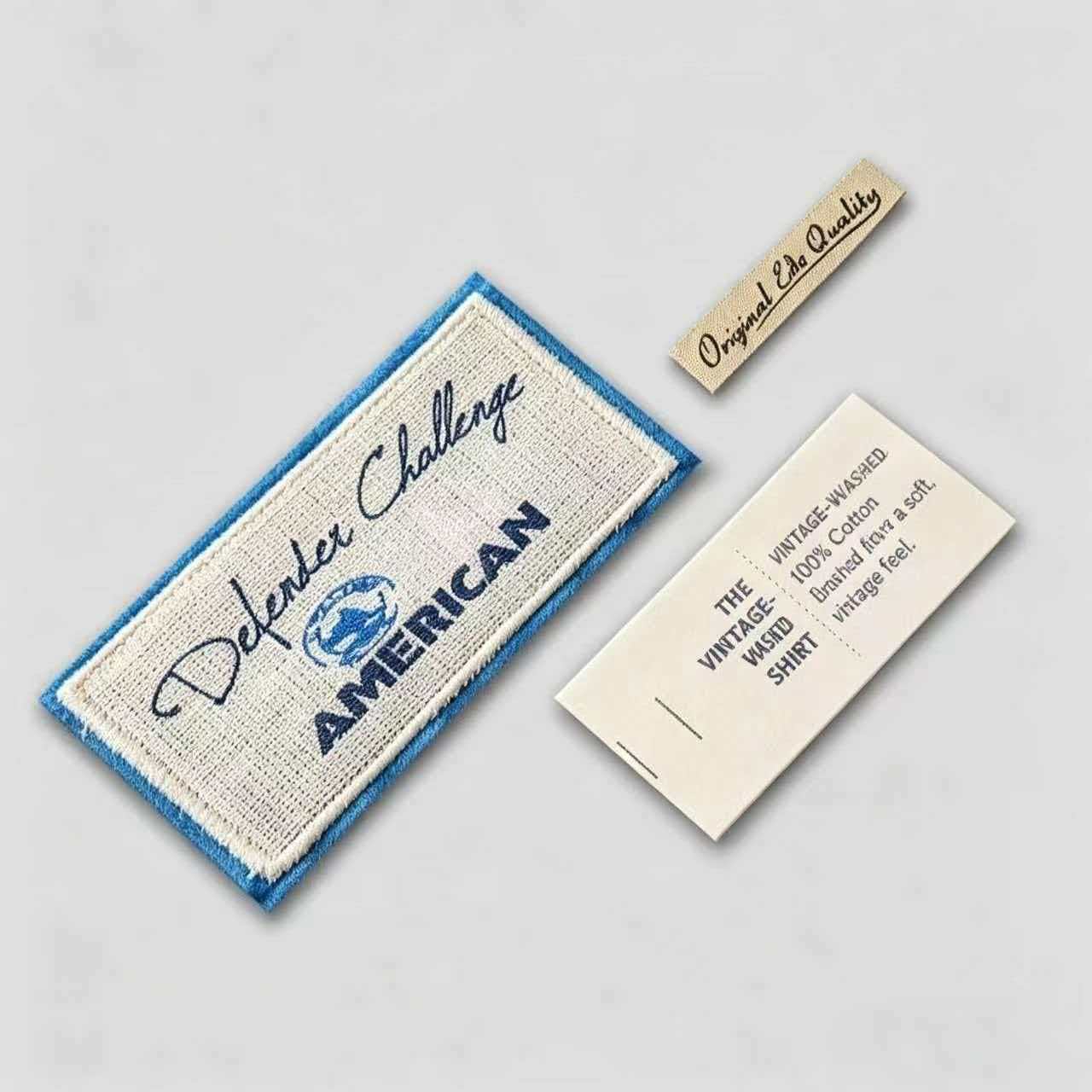
The clothing label family includes several distinct types, each designed to meet specific aesthetic preferences, application methods, and garment requirements. Woven labels are created by weaving threads into a durable, textured fabric, offering a premium, high-end look that is soft and comfortable against the skin, ideal for high-quality garments and brand identity. Printed labels are produced through high-resolution printing on synthetic or cotton fabrics, offering vibrant colors, intricate designs, and cost-effective production, suitable for a wide range of apparel. Satin labels feature a smooth, soft, and lustrous finish, providing a luxurious feel that is comfortable against the skin, ideal for premium loungewear, lingerie, and high-end garments. Heat transfer labels are applied using heat and pressure, creating a seamless, smooth finish that integrates with the garment, ideal for activewear, performance apparel, and seamless designs. Care labels provide essential garment care information, including washing, drying, and ironing instructions, ensuring proper garment maintenance and customer satisfaction. Size labels are small, discreet labels indicating garment size, enabling easy identification and selection. Brand labels feature the brand name, logo, and design elements, serving as a primary communication tool for brand identity. Neck labels are placed inside the garment neckline, providing brand identity, size, and care information, while staying comfortable against the skin. Side seam labels are placed along the side seam, providing brand identity and garment information in a discreet, comfortable location. Hang tags are attached via string or plastic fasteners, providing branding, pricing, and garment information, adding a premium touch to garment presentation. Eco-friendly labels are made from sustainable materials, including organic cotton, recycled polyester, and bamboo, supporting sustainability goals without compromising comfort or quality.
Features of Custom Clothing Labels
Custom clothing labels are defined by a set of features that ensure reliable performance in apparel applications while delivering exceptional comfort, durability, and brand communication. The most defining feature is softness and comfort, with clothing labels engineered to be soft, smooth, and non-irritating against the skin, ensuring they do not cause discomfort or irritation during wear. Durability is a hallmark, with clothing labels designed to withstand repeated washing, drying, and daily wear without fading, fraying, or losing readability, ensuring the brand message remains intact throughout the garment's life. Colorfastness ensures that label colors remain vibrant and do not bleed or fade, even after repeated washing, maintaining the label's professional appearance. Wrinkle and shrink resistance ensure that clothing labels maintain their shape and appearance despite washing and drying, preventing curling, shrinking, or distortion. Print clarity is exceptional, with clothing labels delivering sharp text, fine details, and accurate color reproduction that faithfully reproduce brand logos, care symbols, and garment information. Comfortable adhesion and attachment methods, including sewing, heat transfer, and adhesive backing, ensure labels stay securely attached to garments without causing irritation. The ability to include essential garment information, including size, care instructions, fabric composition, and brand identity, makes clothing labels a comprehensive communication tool. Additionally, many clothing labels are available with eco-friendly materials, supporting sustainability goals without compromising comfort or durability.
Functions of Custom Clothing Labels
Custom clothing labels serve essential functions that are critical to apparel brand success, consumer satisfaction, and regulatory compliance. Their primary function is brand identity and quality communication, with the label's design, materials, and placement communicating the brand's identity, values, and quality positioning, creating a premium, authentic perception that builds consumer trust and loyalty. Clothing labels serve as essential informational carriers, delivering garment size, care instructions, fabric composition, and origin information in a clear, durable format that supports proper garment care and consumer satisfaction. In retail environments, clothing labels support merchandising and brand recognition, with consistent branding across garments creating a cohesive, professional presentation that enhances the brand's image. Care labels provide critical garment care information, including washing, drying, ironing, and dry-cleaning instructions, ensuring consumers can properly maintain their garments, extending garment life and satisfaction. Size labels enable easy identification and selection, improving the shopping experience and reducing returns. Clothing labels serve as regulatory compliance tools, delivering mandatory information including fiber content, origin, and care symbols that meet FTC and other regulatory requirements. They function as authentication tools, with woven or printed labels indicating genuine, quality products, deterring counterfeiting and protecting brand integrity. Additionally, clothing labels support gifting and resale, with clear branding and information enhancing the garment's perceived value and desirability.
Top Five Custom Clothing Label Suppliers in 2026
Based on material quality, printing technology, durability, and customer satisfaction, five suppliers stand out in the custom clothing label market for 2026. Avery Dennison leads with comprehensive clothing labeling solutions, including woven labels, printed labels, heat transfer labels, and care labels, backed by global technical expertise and material innovation. CCL Industries provides integrated clothing labeling solutions with advanced printing and converting, serving apparel brands and retailers with precision and scale. Luminer has carved a niche with creative converting for clothing labels, offering custom shapes, specialty materials, and innovative attachment methods. Multi-Color Corporation offers comprehensive clothing labeling solutions with global capabilities and advanced color management, ensuring consistent quality across multiple markets and production sites. Ningbo Labels is distinguished by its extensive range of clothing label types, including woven, printed, and satin labels, with a focus on quality, durability, and cost-effectiveness for apparel brands.
How to Select Custom Clothing Labels
Choosing the right custom clothing label requires careful evaluation of the garment type, comfort requirements, durability needs, and brand identity to achieve optimal results. The first consideration is the garment type and fabric; t-shirts, hoodies, loungewear, and accessories each have different fabric compositions and comfort requirements, influencing label material and placement. Next, consider the label placement; neck labels, side seam labels, and hang tags each have different visibility and comfort considerations, with labels placed against the skin requiring softer materials. The durability requirements should be evaluated; garments subject to frequent washing and drying require labels with superior colorfastness and durability. The desired aesthetic and brand identity guide label type, material, and finish selection, with woven labels for premium, textured looks, printed labels for vibrant colors and intricate designs, and satin labels for luxurious softness. The inclusion of essential garment information, including size, care instructions, and fabric composition, must be accommodated in the label design. Regulatory requirements, including fiber content and origin labeling, must be met. The attachment method should be considered; sew-in labels for permanent, secure attachment, heat transfer labels for seamless integration, and hang tags for removable branding. Sustainability goals may influence material choice, with options for organic cotton, recycled polyester, and bamboo increasingly available. Finally, budget constraints must be balanced against quality requirements, with printed labels offering a cost-effective entry point and woven labels providing premium aesthetics at a higher price point.
Custom Clothing Label Size Guide
Size selection for clothing labels follows practical guidelines based on garment type, available space, and information requirements, ensuring the label fits perfectly and communicates effectively. For neck labels in t-shirts, hoodies, and loungewear, sizes typically range from 1 inch by 2 inches to 2 inches by 3 inches, providing space for brand identity, size, and care icons while maintaining a comfortable, proportionate fit. For side seam labels, sizes from 0.5 inches by 2 inches to 1 inch by 3 inches are common, providing essential care and size information in a discreet location. For woven brand labels, sizes from 1 inch by 2 inches to 2 inches by 3 inches are typical, offering space for brand name, logo, and design elements. For care labels, sizes from 1 inch by 2 inches to 1.5 inches by 3 inches are common, providing ample space for washing, drying, and ironing instructions and symbols. For size labels, sizes from 0.5 inches by 0.5 inches to 1 inch by 1 inch are used, providing clear size identification without adding bulk. For hang tags, sizes from 1.5 inches by 2 inches to 3 inches by 4 inches are common, providing space for branding, pricing, and garment information. For small accessories, labels from 0.5 inches by 1 inch to 1 inch by 1.5 inches are used, providing essential branding on compact items. When determining the ideal size, consider the garment size, available label space, and the amount of required text or imagery. A practical approach is to create a paper mock-up at actual size and place it on the garment to assess visibility, readability, and comfort before finalizing your order.
How to Customize Your Clothing Labels
The process of creating custom clothing labels is a refined and precise journey, transforming your brand vision and garment information into a finished label that enhances the garment and communicates quality. The journey begins with design creation, where you develop your artwork, considering the label type, material, size, and finish. For clothing labels, designs often incorporate clean typography, brand logos, and essential garment information in a clear, professional layout that communicates quality and brand identity. It is essential to provide a high-resolution file of at least 300 dots per inch, using CMYK color mode, and to include a bleed margin of approximately 3 to 5 millimeters around all edges to account for cutting tolerances. If using specialty effects, provide clear indications. Next, you select your clothing label type, choosing from woven, printed, satin, or heat transfer options based on your aesthetic preferences, comfort requirements, and durability needs. The third step is choosing your attachment method, specifying whether you require sew-in labels, heat transfer labels, or hang tags, and ensuring the method is compatible with your garment. Following this, you upload your design to your chosen supplier's platform, where their pre-press team reviews the file for technical requirements, checking color mode, resolution, and font compatibility before sending a digital proof for your final approval. Once you approve the proof, production commences with high-precision weaving or printing, followed by any finishing, and finally cutting to your specified shape and size. The completed clothing labels undergo quality inspection, including durability and colorfastness testing, before being carefully packaged and shipped, ready for attachment to your garments.
How to Choose a Reliable Custom Clothing Label Supplier
Selecting a trustworthy supplier for custom clothing labels is crucial for ensuring the quality, comfort, and durability of your labels, directly impacting brand perception, consumer satisfaction, and product integrity. The first factor to evaluate is material quality and comfort; ask about the specific materials used, their softness, durability, and the supplier's experience with clothing applications similar to yours. Second, assess the supplier's printing and weaving capabilities and quality control, requesting physical samples to examine print clarity, color accuracy, and overall quality. Third, review their attachment method options, including sew-in, heat transfer, and hang tags, ensuring they can meet your specific requirements. Fourth, examine their design support and customer service, particularly their understanding of apparel branding and their willingness to provide guidance on material selection and artwork optimization. Fifth, evaluate their turnaround times and minimum order quantities; suppliers offering low minimums and fast production cycles provide valuable flexibility for testing new garments, seasonal collections, and scaling production. Sixth, consider their sustainability practices and material options, particularly if eco-friendly and sustainable clothing labels are important to your brand. Finally, read customer reviews and testimonials, particularly from apparel brands, to gauge real-world experiences with order accuracy, delivery reliability, and post-purchase support.
About Our Company
Custom Panda stands as your dedicated partner in creating premium custom clothing labels that sew your brand into every stitch, engineered to withstand washing, drying, and daily wear while staying soft, readable, and secure on garments. With a philosophy centered on comfort, durability, creative versatility, flexibility, speed, and uncompromising quality, we have built a reputation as a manufacturer that truly understands the unique requirements of apparel brands, from emerging designers to established fashion names. Our commitment to customer satisfaction is reflected in our core promises: there is no minimum order requirement, making us accessible for projects of any scale, from small-batch capsule collections to large production runs; we provide a free digital proof within just 12 hours of receiving your artwork, allowing you to visualize and perfect your design with zero risk; and our production process is exceptionally efficient, with orders ready in just 2 to 3 days after approval. We take pride in our competitive factory-direct pricing, which offers exceptional value without any compromise on material quality, print excellence, or the softness and durability that clothing labels demand. Our global shipping network ensures reliable delivery to your doorstep in just 5 to 7 days, wherever you are located. At Custom Panda, we believe that anyone can create professional custom products, which is why our expert design team is always available to assist with artwork adaptation and guidance, even if you have no prior design experience. Whether you are designing t-shirts, hoodies, loungewear, accessories, or any apparel that deserves quality branding, we bring your vision to life with clothing labels as comfortable as your clothes. We invite you to start your custom project today and discover the Custom Panda difference—where quality, expertise, creativity, comfort, speed, and customer care come together to exceed your expectations.