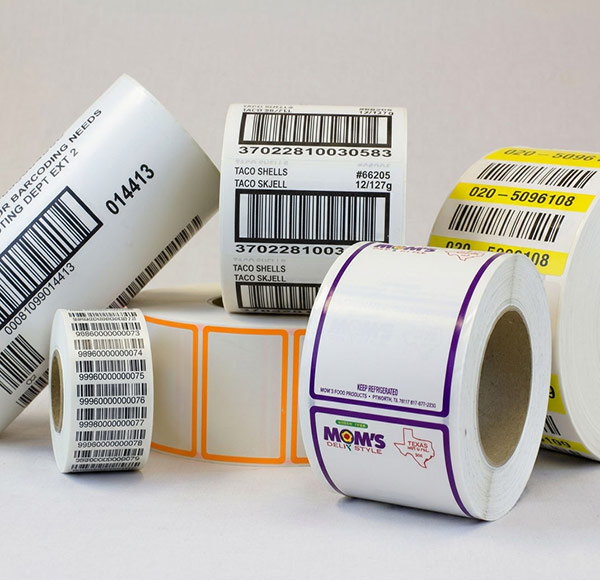
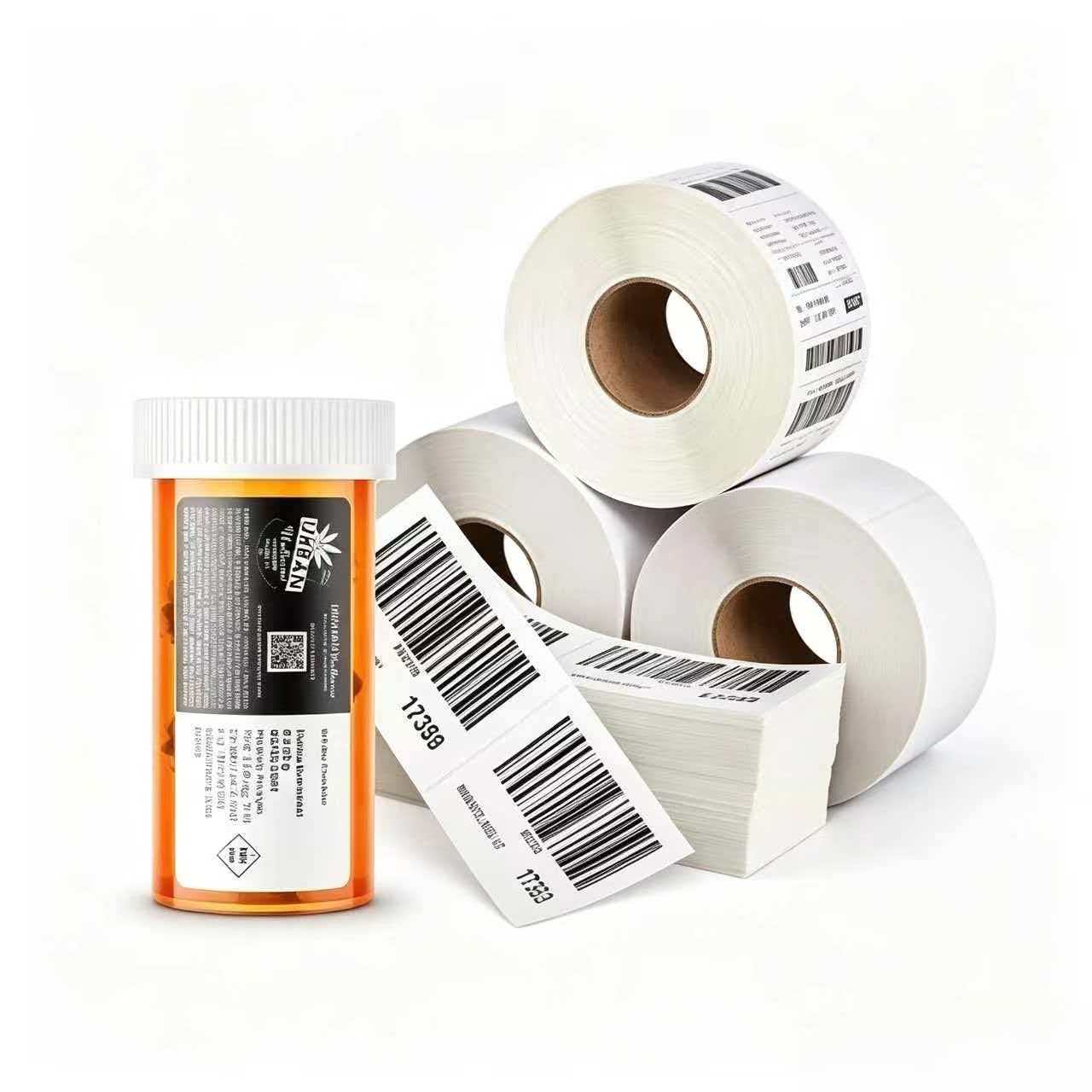
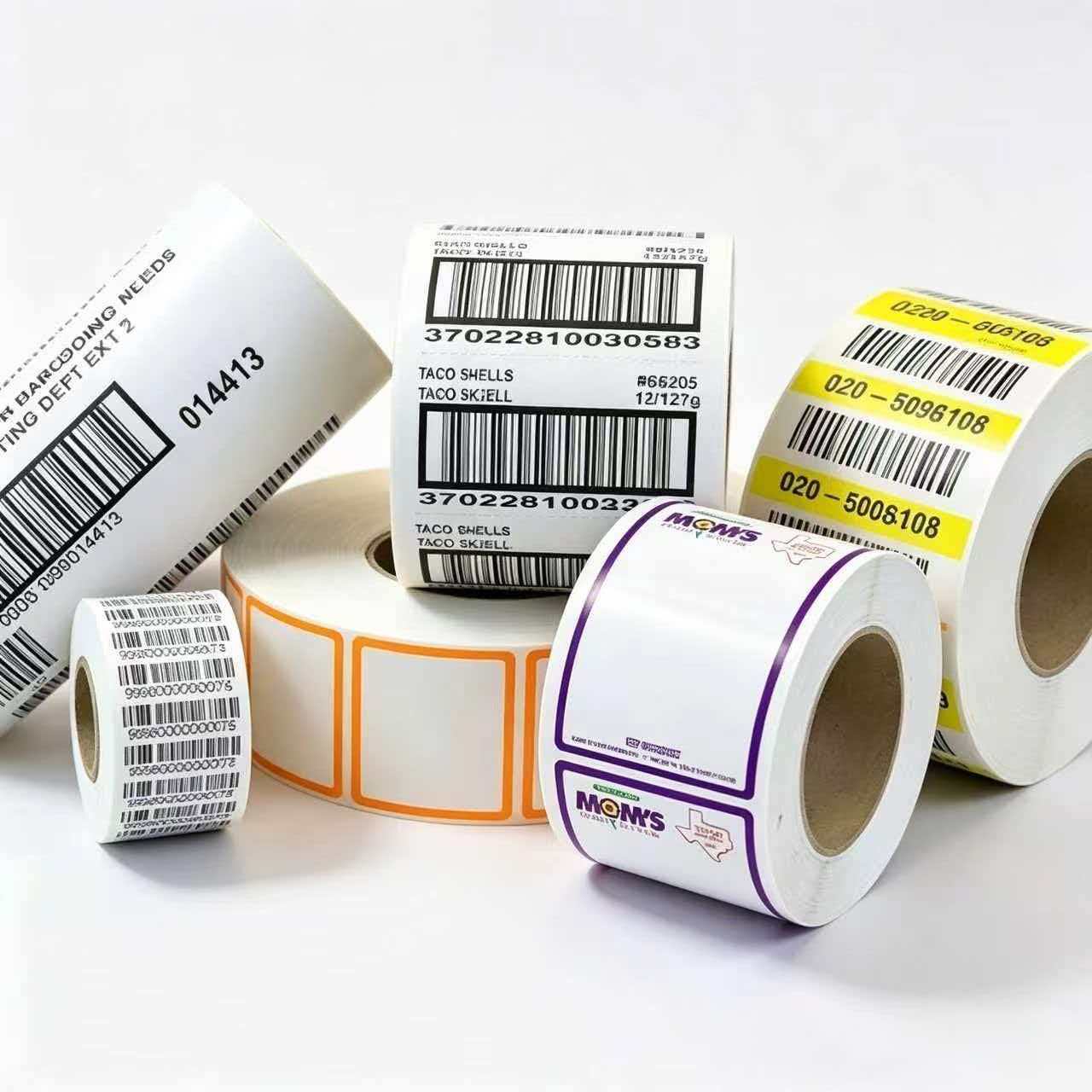
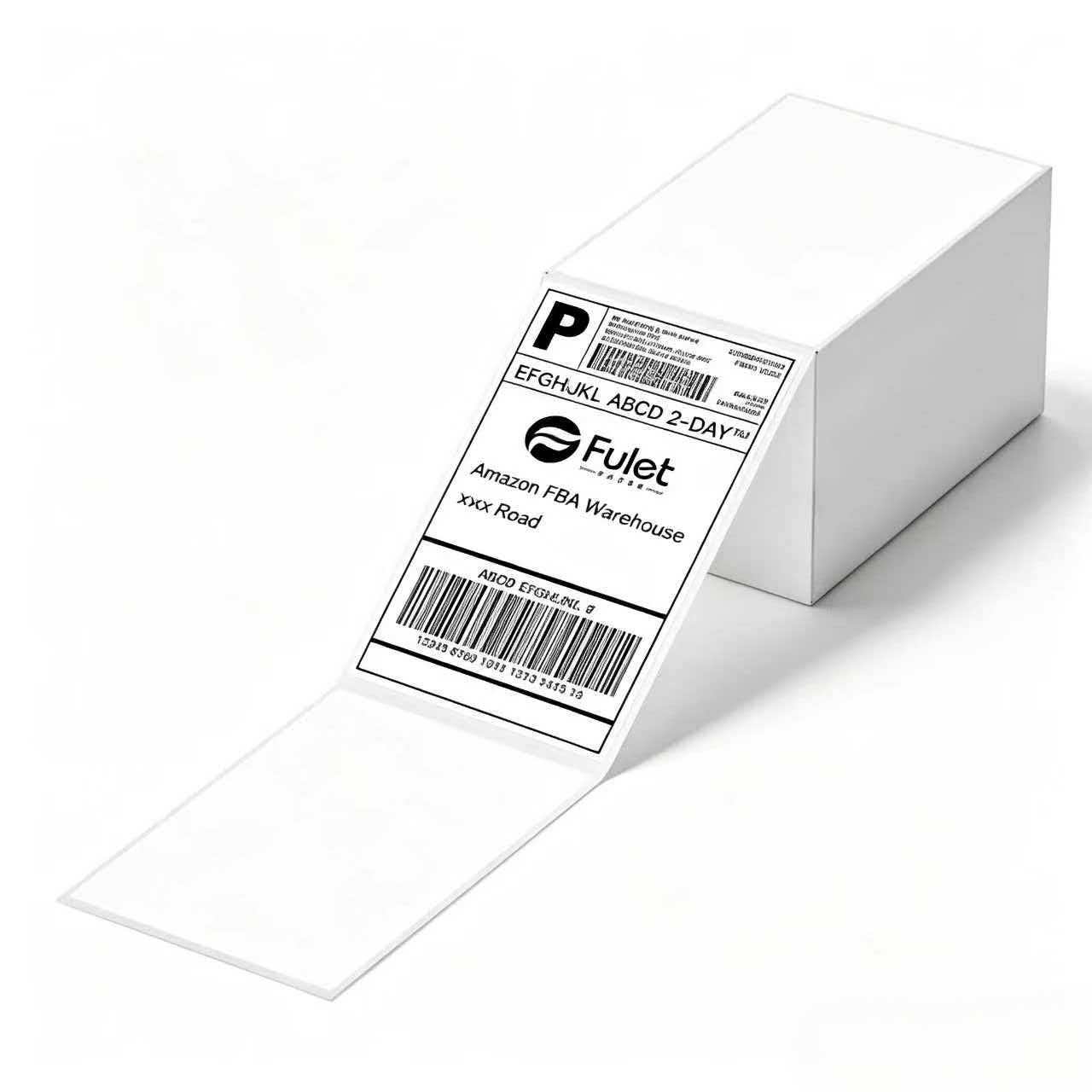
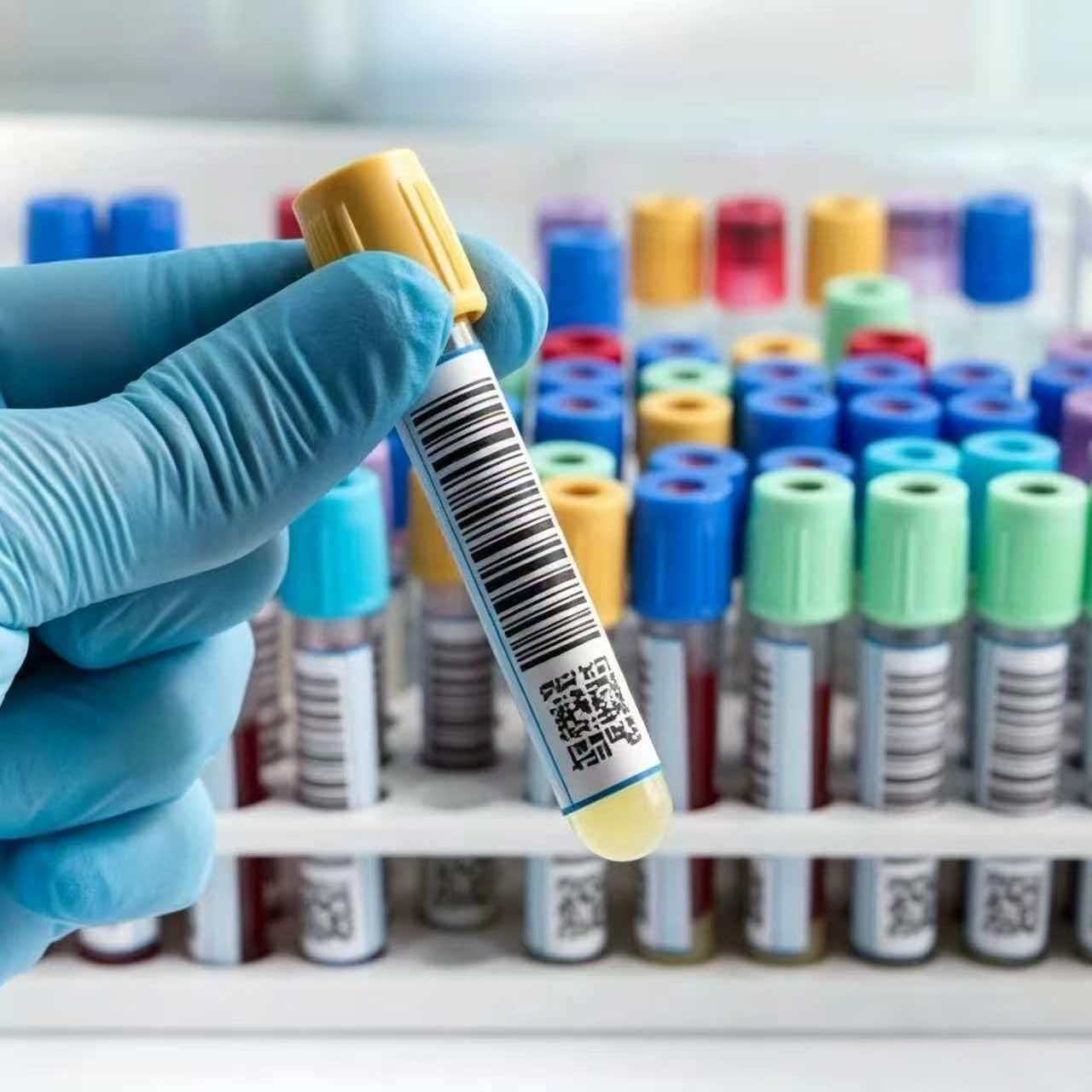
What are Custom Thermal Labels?
Custom thermal labels are a specialized category of labels engineered for high-speed printing and maximum clarity, utilizing advanced heat-sensitive coatings that eliminate the need for expensive ink, toner, or ribbons. These labels are designed to work with thermal printers, where heat is applied to the surface to create crisp, clear images, text, and barcodes instantly, without the consumables required by traditional printing methods. In 2026, thermal labels have become the backbone of modern logistics, retail, healthcare, and manufacturing operations, where speed, accuracy, and cost-efficiency are paramount. Whether managing complex supply chains, processing high-volume retail transactions, or tracking critical assets, thermal labels deliver smudge-proof, scannable results every time, ensuring that barcodes and information remain readable throughout the product's lifecycle. Their unique combination of printing efficiency, durability, and customizability makes them indispensable for any operation requiring fast, reliable, and professional labeling.
Types of Custom Thermal Labels
The thermal label family includes two primary categories based on the printing technology used, each with distinct characteristics and applications. Direct thermal labels feature a heat-sensitive coating that darkens when exposed to heat from the thermal print head, requiring no ribbon or ink, making them simple, cost-effective, and ideal for short-term applications such as shipping labels, retail receipts, and pharmacy prescriptions. These labels are smudge-proof and scannable during their intended lifespan but may fade over time or with exposure to heat, light, and chemicals. Thermal transfer labels require a ribbon that transfers ink onto the label surface through heat, producing more durable, longer-lasting prints that resist fading, smudging, and environmental exposure, making them suitable for long-term asset tracking, outdoor applications, and industrial labeling. Thermal labels are also available in various materials, including paper for general-purpose use, polypropylene for moisture resistance, and polyester for extreme durability and chemical resistance. Permanent thermal labels use aggressive adhesives for long-term applications, while removable thermal labels use low-tack adhesives for temporary needs. Custom shapes and sizes are available through precision die-cutting, allowing labels to match specific product contours or application requirements. Additionally, thermal labels can be coated for specific properties such as smudge resistance, scratch resistance, and water resistance, extending their functionality.
Features of Custom Thermal Labels
Custom thermal labels are defined by a set of features that make them the efficient, reliable choice for high-speed printing and professional identification. The most defining feature is the elimination of consumables, with direct thermal labels requiring no ink, toner, or ribbons, significantly reducing printing costs and simplifying operations, while thermal transfer labels use ribbons but offer enhanced durability. High-speed printing capability is a hallmark, with thermal printers capable of producing labels at speeds up to 10 inches or more per second, enabling fast, efficient high-volume labeling operations. Exceptional clarity and resolution are key features, with thermal printing delivering sharp text, fine lines, and scannable barcodes that meet industry standards for readability, ensuring accurate scanning and data capture. Smudge-proof and scannable results are inherent, with thermal prints resistant to smudging, ensuring consistent performance throughout the label's intended lifespan. Durability varies by type, with direct thermal labels suitable for short-term indoor applications and thermal transfer labels providing long-term, outdoor, and chemical-resistant durability. Versatility is a core feature, with thermal labels available in a wide range of sizes, shapes, materials, and adhesives to suit virtually any application. Ease of use is another important feature, with thermal printing requiring minimal setup, maintenance, and operator training, improving operational efficiency. Additionally, thermal labels are compatible with various automatic label applicators and printer-applicators, enabling seamless integration into production lines and logistics operations.
Functions of Custom Thermal Labels
Custom thermal labels serve essential functions across a wide range of industries, combining efficient printing with reliable identification and tracking. Their primary function is shipping and logistics labeling, with thermal labels providing the core identification for packages, cartons, and pallets, enabling efficient sorting, tracking, and delivery in complex supply chains. In retail, thermal labels function as price tags, shelf labels, and point-of-sale receipts, enabling fast, accurate transactions and inventory management. In healthcare, thermal labels are critical for specimen identification, prescription labeling, and patient wristbands, ensuring accuracy, traceability, and patient safety. For inventory and warehouse management, thermal labels enable efficient tracking of goods, with barcodes and RFID compatibility supporting real-time visibility and optimization. In manufacturing, thermal labels serve as work-in-progress tracking, part identification, and final product labeling, supporting production efficiency and quality control. Thermal labels also function as asset tags for tracking equipment, tools, and technology, with thermal transfer options providing durable, long-term identification in demanding environments. In food and beverage, thermal labels support compliance with labeling regulations, including nutrition information, allergen warnings, and date coding, with materials suitable for refrigeration and freezing.
Top Five Custom Thermal Label Suppliers in 2026
Based on material quality, printing technology, adhesive performance, and customer satisfaction, five suppliers stand out in the custom thermal label market for 2026. Avery Dennison leads with comprehensive thermal label solutions across direct thermal and thermal transfer materials, with advanced adhesive technologies and a global network, setting industry standards for quality and consistency. UPM Raflatac is distinguished by its innovative thermal label materials, including direct thermal papers with enhanced image stability and thermal transfer films for demanding applications, with strong environmental certifications. CCL Industries provides integrated thermal labeling solutions with advanced printing and converting, serving logistics, retail, and industrial sectors with precision and reliability. Brady Corporation offers specialized high-performance thermal labels for healthcare, industrial, and laboratory applications, with rigorous testing and certifications for demanding environments. Luminer has carved a niche with creative converting, offering custom thermal labels with specialty adhesives, multi-layer constructions, and tamper-evident features that add functional complexity.
How to Select Custom Thermal Labels
Choosing the right custom thermal label requires careful evaluation of the printing method, application environment, durability needs, and operational requirements to achieve optimal results. The first consideration is the printing method; direct thermal labels are suitable for short-term indoor applications where cost efficiency is paramount, while thermal transfer labels are necessary for long-term, outdoor, or chemically exposed applications requiring enhanced durability. Next, consider the application environment; direct thermal labels should be used in controlled indoor conditions away from excessive heat, light, and chemicals, while thermal transfer labels can withstand harsh conditions. The required image stability and lifespan guide material selection; direct thermal images may fade over time, especially with heat and light exposure, while thermal transfer prints are more stable and durable. The adhesive system must be matched to the application surface and conditions, with options including permanent, removable, and specialty adhesives for low-energy or extreme surfaces. The material choice, including paper, polypropylene, or polyester, influences durability, flexibility, and cost, with paper being most economical and polyester providing the highest durability. Printing compatibility should be verified, ensuring the labels are optimized for your specific thermal printer make and model. Regulatory and compliance requirements must be reviewed, particularly for food contact, healthcare, and shipping applications. Sustainability goals may influence material choice, with options for recycled and eco-friendly thermal papers increasingly available.
Custom Thermal Label Size Guide
Size selection for thermal labels follows practical guidelines based on application, printer compatibility, and information requirements, ensuring the label fits correctly and prints effectively. For shipping and logistics labels, standard sizes include 4 inches by 6 inches for shipping labels, accommodating addresses, barcodes, and tracking information, and larger sizes for pallet labels or heavy-duty packaging. For retail price tags and shelf labels, common sizes range from 1 inch by 2 inches to 2 inches by 4 inches, sized for readability while fitting standard retail fixtures. For healthcare and laboratory labels, sizes from 0.5 inches by 1 inch to 2 inches by 3 inches are typical, accommodating specimen details, barcodes, and patient information on vials, tubes, and small containers. For warehouse and inventory labels, sizes from 1 inch by 2 inches to 3 inches by 5 inches are used, supporting barcodes and identification for bins, racking, and products. For manufacturing and industrial labels, sizes range from 1 inch by 2 inches to 4 inches by 6 inches or larger, depending on the part size and information requirements. For point-of-sale and receipt labels, sizes from 2 inches by 3 inches to 3 inches by 5 inches are popular, fitting standard receipt and small format printers. When determining the ideal size, consider the printer's maximum and minimum label size capabilities, the viewing distance, available surface area, and the amount of required text or imagery. A practical approach is to test print a sample at actual size to ensure barcode scannability and overall readability before finalizing your order.
How to Customize Your Thermal Labels
The process of creating custom thermal labels is a precision-driven exercise, transforming your operational and branding requirements into a professional, high-performance finished product. The journey begins with design creation, where you develop your artwork, considering the specific requirements of thermal printing. For direct thermal labels, designs must be optimized for the heat-sensitive coating, with barcodes, text, and graphics that are clear and scannable. It is essential to provide a high-resolution file of at least 300 dots per inch, using the appropriate barcode symbology for your application, and to include a bleed margin of approximately 3 to 5 millimeters around all edges to account for cutting tolerances. Next, you select your thermal label type, choosing from direct thermal or thermal transfer options, and deciding on the material such as paper, polypropylene, or polyester based on your durability and application needs. The third step is choosing your adhesive, specifying whether you require permanent, removable, or specialty adhesives designed for specific surfaces or conditions. Following this, you upload your design to your chosen supplier's platform, where their pre-press team reviews the file for technical requirements, checking color mode, resolution, and font compatibility before sending a digital proof for your final approval. Once you approve the proof, production commences with high-precision converting, including coating, printing where applicable, and die-cutting to your specified shape and size. The completed thermal labels undergo quality inspection, including barcode verification and adhesive testing, before being carefully packaged and shipped, ready for installation in your thermal printer.
How to Choose a Reliable Custom Thermal Label Supplier
Selecting a trustworthy supplier for custom thermal labels is crucial for ensuring the quality, consistency, and reliability of your labels, directly impacting operational efficiency, data accuracy, and cost control. The first factor to evaluate is material quality and technical expertise; ask about the specific thermal materials used, their image stability ratings, shelf life, and the supplier's experience with applications similar to yours. Second, assess the supplier's printing and converting capabilities, including their ability to produce high-resolution barcodes that meet industry scannability standards and their die-cutting precision for complex shapes. Third, review their adhesive engineering and testing; a supplier with expertise in adhesives for thermal labels can recommend the best solution for your surface and application conditions, ensuring labels stay in place. Fourth, evaluate their quality control processes, including barcode verification, adhesive testing, and in-line inspection systems that ensure consistent quality. Fifth, examine their regulatory compliance and documentation support, particularly important for healthcare, food, and shipping applications where standards and certifications may be required. Sixth, review their turnaround times and minimum order quantities; suppliers offering low minimums and fast production cycles provide valuable flexibility for testing and scaling. Finally, read customer reviews and testimonials to gauge real-world experiences with order accuracy, delivery reliability, and post-purchase technical support.
About Our Company
Custom Panda stands as your dedicated partner in creating premium custom thermal labels engineered for high-speed printing, maximum clarity, and cost-effective efficiency across all your operational needs. With a philosophy centered on technical expertise, flexibility, speed, and uncompromising quality, we have built a reputation as a manufacturer that truly understands the requirements of logistics, retail, healthcare, and industrial sectors where fast, reliable labeling is essential. Our commitment to customer satisfaction is reflected in our core promises: there is no minimum order requirement, making us accessible for projects of any scale, from small office applications to large enterprise deployments; we provide a free digital proof within just 12 hours of receiving your artwork, allowing you to visualize and perfect your design with zero risk; and our production process is exceptionally efficient, with orders ready in just 2 to 3 days after approval. We take pride in our competitive factory-direct pricing, which offers exceptional value without any compromise on material quality, print excellence, or adhesive performance. Our global shipping network ensures reliable delivery to your doorstep in just 5 to 7 days, wherever you are located. At Custom Panda, we believe that anyone can create professional custom products, which is why our expert design team is always available to assist with artwork adaptation and guidance, even if you have no prior design experience. Whether you are managing complex logistics, processing high-volume retail, tracking healthcare specimens, or any application that demands smudge-proof, scannable thermal labeling, we bring your vision to life with thermal labels that are engineered for performance. We invite you to start your custom project today and discover the Custom Panda difference—where quality, expertise, speed, and customer care come together to deliver the efficiency you demand.