
What Are Flexible Pouch Labels?
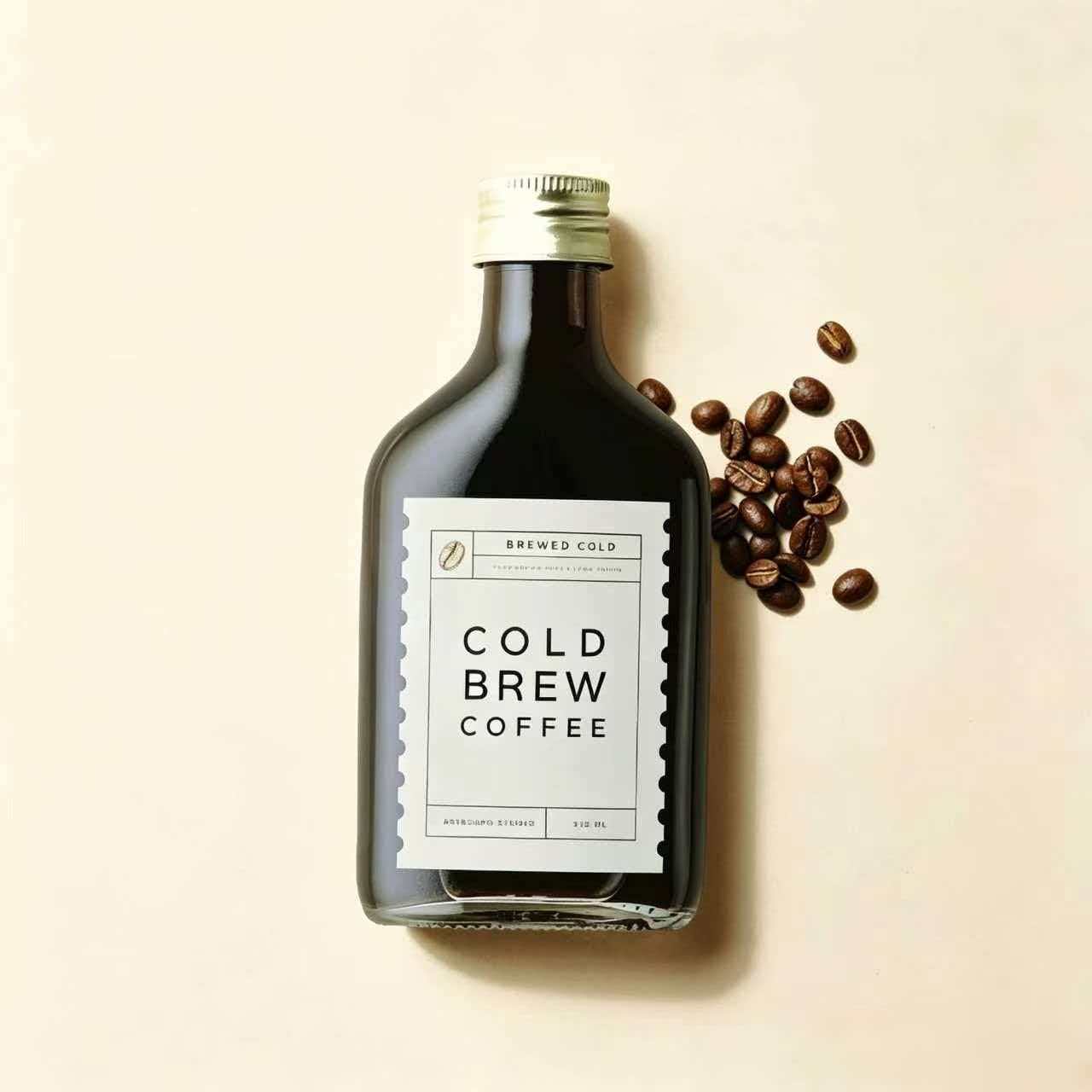
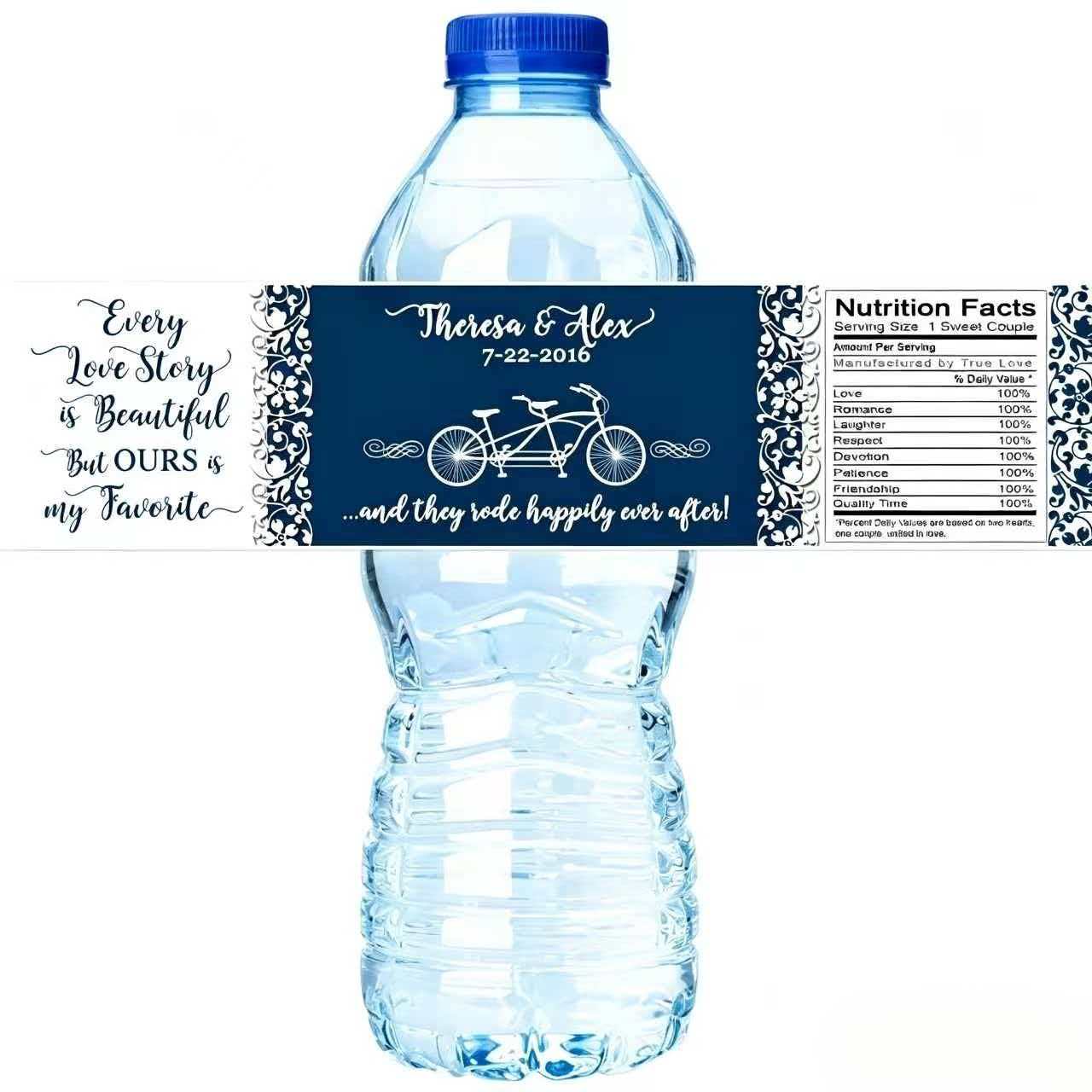
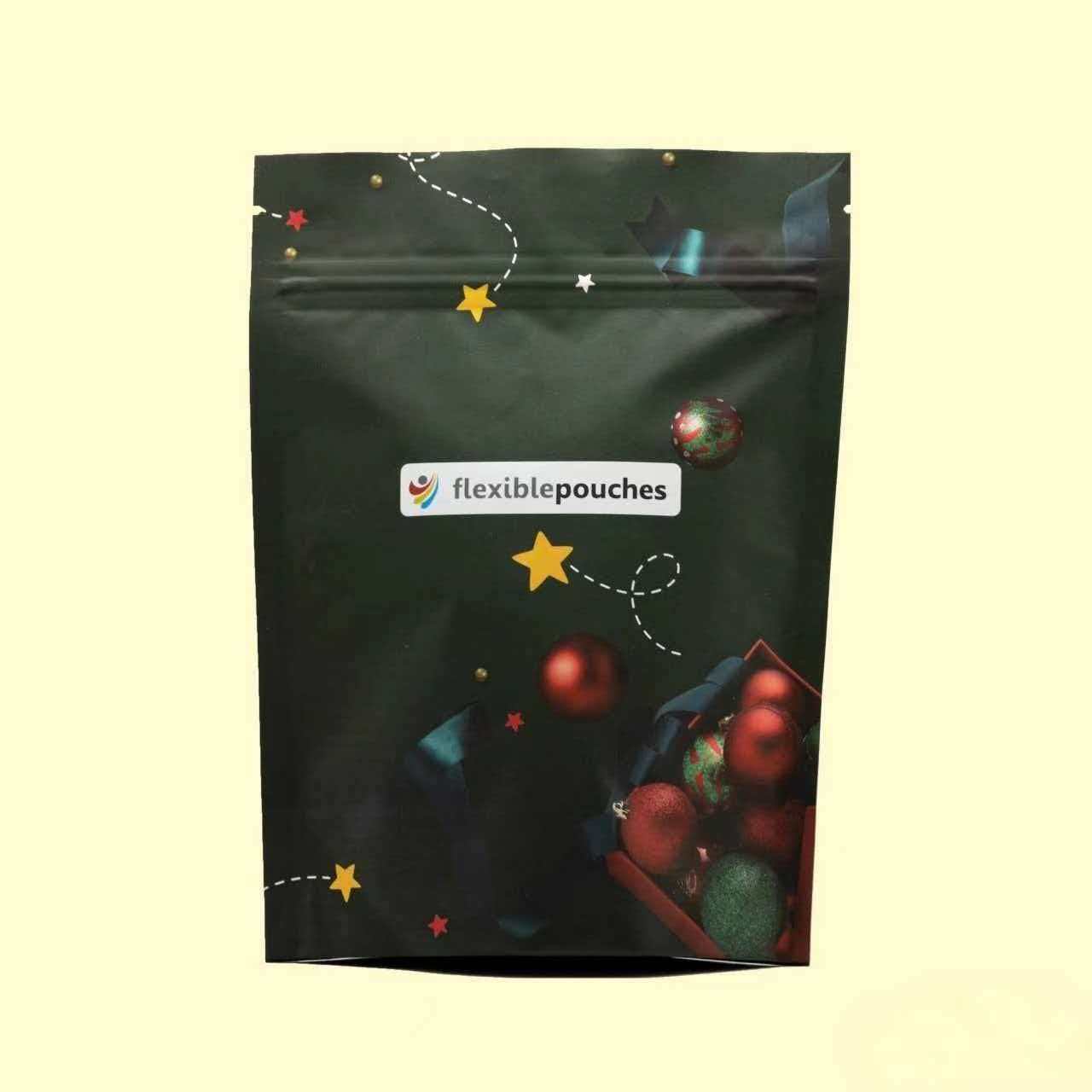
Flexible pouch labels are specialized self-adhesive identifiers engineered specifically for application onto stand-up pouches, flat-bottom bags, and vacuum packaging. These labels utilize highly flexible film materials that bend, flex, and conform to the pouch surface without cracking, delaminating, or losing adhesion, even under repeated handling, filling, and transportation stresses. The adhesive systems are formulated to bond effectively to low-energy surfaces, including polyethylene and PET composite films commonly used in flexible packaging, ensuring reliable attachment despite the challenging surface chemistry and dynamic mechanical demands of pouch applications. Unlike rigid labels designed for bottles or cartons, flexible pouch labels must accommodate the continuous flexing, stretching, and folding that occurs during pouch filling, sealing, shipping, and consumer use, making material flexibility and adhesive durability the primary performance requirements.
Types of Flexible Pouch Labels
Flexible pouch labels can be categorized by face material, adhesive system, and application method, each offering specific advantages for different pouch types and usage conditions. By face material, clear film labels made from transparent PP or PET are the most widely used for food and beverage pouches, enabling a "window" effect that shows the product inside while providing high-quality graphics and moisture resistance. White opaque film labels deliver maximum color vibrancy and opacity, ideal for products requiring bold branding and high contrast against the pouch material. Matte film labels offer a sophisticated, tactile finish that reduces glare, minimizes fingerprints, and provides a premium, understated aesthetic for gourmet coffee and specialty food pouches. By adhesive system, permanent acrylic adhesives provide reliable bonding to low-energy surfaces, with formulations engineered to withstand temperature variations and moisture exposure common in refrigeration and freezing. Freezer-grade adhesives maintain adhesion and flexibility at temperatures down to -18°C, essential for frozen food applications. Removable adhesives allow clean peeling for temporary promotions, coupons, or reusability applications. By application method, pressure-sensitive labels are the most common, applied with automatic labeling equipment designed for flexible pouch packaging lines, offering high-speed application with accurate registration. Heat-transfer labels are sometimes used for high-volume applications where the label is transferred from a carrier film onto the pouch surface using heat and pressure, providing a durable, permanent bond.
Features of Flexible Pouch Labels
The core features of modern flexible pouch labels address the unique challenges and demands of flexible packaging. The face materials are engineered to provide exceptional flexibility and conformability, allowing the label to bend, fold, and flex with the pouch without cracking, wrinkling, or delaminating, even under the repeated stresses of filling, sealing, and consumer handling. The high flexibility is achieved through specialized film formulations that maintain integrity across a wide temperature range, from freezer to ambient storage. The adhesive systems are specially formulated for low-energy surfaces, including polyethylene, polypropylene, and PET composite films, providing reliable bonding without the need for primers or surface treatments. These adhesives are designed to maintain adhesion despite the migration of plasticizers, oils, or other additives that may be present in the pouch material. The moisture resistance of both materials and adhesives ensures performance in high-humidity environments, including refrigeration, where condensation can affect label adhesion. The print performance supports high-resolution graphics, including process-color printing and variable data, essential for retail-ready packaging with barcodes, batch information, and promotional content. In 2026, sustainability is a major focus, with the development of recyclable labels designed to be compatible with existing film recycling streams, bio-based materials reducing the carbon footprint of label production, and reduced liner thickness and weight to minimize waste and shipping costs.
Functions of Flexible Pouch Labels
Flexible pouch labels perform multiple essential functions critical to brand communication, consumer experience, and regulatory compliance in the flexible packaging category. Their primary function is brand communication and retail appeal, delivering vibrant graphics and distinctive designs that attract consumer attention in crowded retail environments, with the flexibility to apply designs across the pouch surface for maximum visual impact. Their second function is providing product information and regulatory compliance, including ingredient declarations, nutritional facts, usage instructions, net weight, production dates, batch codes, and barcodes, with the durability required to remain legible despite repeated handling, temperature changes, and moisture exposure. Their third function is tamper evidence and safety assurance, with features such as void-effect adhesives that show obvious tampering upon removal, integrated security features, and unique identifiers that enable product authentication and consumer safety. Their fourth function is consumer engagement and brand interaction, with QR codes, NFC tags, or augmented reality markers linking consumers to digital experiences, including recipes, product sourcing stories, brand videos, and loyalty programs, creating deeper connections and enhanced brand loyalty. Their fifth function is logistics and inventory management, with barcodes and serial numbers facilitating tracking, warehouse management, and supply chain visibility, supporting efficient operations from manufacturing to retail shelf.
Top Flexible Pouch Labels in 2026
Several innovative flexible pouch label solutions have achieved market leadership across different application categories in 2026. Avery Dennison's flexible PP film with low-energy adhesive is the premier choice for stand-up pouch labeling, offering exceptional conformability, moisture resistance, and reliable bonding to challenging PE and PET substrates, with performance validated across the demanding coffee, pet food, and frozen food categories. UPM Raflatac's flexible film range with permanent adhesives is widely adopted for food and beverage pouches, providing high flexibility, print quality, and sustainability options including bio-based and recycled materials. 3M's flexible adhesive with PET film is the benchmark for durable labeling on bags requiring extended flexibility and resistance to oils, fats, and moisture, such as coffee and snack pouches. CCL Industries' specialty flexible labels, with options for texture, metallic finishes, and holographic effects, are used for premium and promotional pouch applications requiring enhanced shelf impact. The growing category of sustainable flexible labels, such as those designed for compatibility with the PE film recycling stream, represents the 2026 innovation direction toward circular packaging solutions. These leaders demonstrate continuous progress in materials science, adhesive engineering, and sustainable innovation that defines the flexible pouch labeling market.
How to Select Flexible Pouch Labels
Selecting the appropriate flexible pouch label requires careful assessment of the pouch material, application environment, and performance requirements. The first dimension is pouch material compatibility: identify the surface material of your pouch, whether PE, PET, or other composite films. Low-energy surfaces like PE require specially formulated adhesives with higher tack and wetting properties to achieve reliable bonding. Consider whether the pouch has any surface coatings, printing, or additives that could affect adhesive performance. The second dimension is application environment: evaluate the temperature, humidity, and handling conditions during filling, sealing, storage, and distribution. Cold-filled products require freezer-grade adhesives, while hot-fill applications need heat-resistant materials. Consider whether condensation from refrigeration or freezing will occur and specify moisture-resistant materials accordingly. The third dimension is mechanical stress assessment: determine the degree and frequency of flexing, folding, and handling the pouch will undergo. High-flex applications require extremely flexible materials and adhesives that maintain integrity through repeated bending and stress. The fourth dimension is end-use exposure: assess the substances that may contact the label, including oils, fats, moisture, and chemical ingredients. Coffee and pet food packaging requires oil-resistant materials and adhesives that maintain bonding despite oil migration from the product. The fifth dimension is sustainability requirements: evaluate your company's sustainability targets and retailer or regulatory requirements for recyclable, bio-based, or reduced-waste label solutions. Determine whether label compatibility with pouch recycling streams is required for your application. The sixth dimension is cost optimization: consider total cost of ownership including material costs, application efficiency, scrap rates, and the value of enhanced shelf appeal and consumer perception that premium label solutions provide.
Flexible Pouch Labels Size Guide
Flexible pouch label sizes are highly variable, determined by the pouch dimensions, design vision, and functional requirements of the application. For stand-up pouches, the front label typically covers 30% to 60% of the visible pouch face, with dimensions ranging from 60mm × 80mm for small snack pouches up to 150mm × 220mm for large family-size pouches. The back label or information panel, if separate, is often similar in size or slightly smaller, typically 50mm × 70mm to 100mm × 150mm. For flat-bottom bags, labels may be applied to one or both flat faces, covering 40% to 70% of the available surface, with dimensions from 80mm × 100mm to 180mm × 250mm depending on bag size. For vacuum packaging, labels are often smaller, covering 20% to 40% of the bag surface to allow visibility of the product, with common sizes of 40mm × 60mm to 80mm × 120mm. Across all pouch types, several design guidelines apply: maintain a minimum clearance of 5mm to 8mm from pouch edges, seals, and corner gussets to ensure smooth application and prevent edge lifting. For gusseted pouches, consider whether labels should bridge the gusset or stop before it to avoid stress points. For full-wrap labels, accurately calculate the required length based on pouch circumference plus 3mm to 5mm for overlap, and specify appropriate flexible materials that can accommodate the full wrap without wrinkling.
How to Customize Flexible Pouch Labels
Customizing flexible pouch labels involves a collaborative, quality-focused process that ensures both aesthetic excellence and reliable performance under challenging packaging conditions. The initial step is design file preparation: supply your artwork in appropriate formats (AI, PDF, CDR) with correct bleed and safety margins, accounting for the specific dimensions and shape of your pouch. Consider the flexibility requirements in the design, avoiding thick varnishes or overprints that may compromise flexibility. The second step is material and adhesive selection: work with your supplier to choose the optimal flexible film material and adhesive combination based on your pouch material, application environment, and performance requirements, including flexibility, moisture resistance, and sustainability objectives. The third step is prototype evaluation: request sample labels applied to your actual pouches under simulated production and use conditions, including visual inspection, adhesion testing, and flex testing to verify performance. The fourth step is tooling and production: for pressure-sensitive labels, fabricate the necessary die-cutting cylinders and print plates; for heat-transfer labels, prepare the printing cylinders and transfer equipment. The fifth step is quality assurance: establish inspection criteria covering dimensional tolerances, print accuracy, color matching, adhesive coverage, and flexibility testing, with ongoing testing throughout production to ensure consistency and compliance. The sixth step is final verification: upon completion, conduct final random inspections including accelerated aging tests, flex testing, and adhesion testing to confirm that all labels meet specifications before shipping.
Supplier of Flexible Pouch Labels
The global landscape of flexible pouch label suppliers features specialized material manufacturers, converting specialists, and integrated service providers serving diverse market segments. Avery Dennison is the market leader in self-adhesive materials for flexible packaging, with comprehensive portfolios including flexible films, low-energy adhesives, and sustainable solutions designed for recycling compatibility. UPM Raflatac offers extensive flexible film materials and adhesive technologies for food and beverage pouches, with strong emphasis on bio-based and recycled content materials that help brands meet sustainability targets. 3M provides flexible adhesive technologies and high-performance materials for demanding applications, including oil-resistant and freezer-grade solutions for challenging pouch conditions. CCL Industries is a leading converter specializing in flexible labels, with capabilities for complex decoration techniques, variable printing, and sustainable converting solutions. Custom Panda is your dedicated partner for flexible pouch labeling solutions, offering comprehensive services from design consultation and material selection through precision production and global delivery. Our technical expertise in flexible film labeling, including proprietary adhesive solutions for low-energy surfaces and challenging environmental conditions, combined with our commitment to quality, sustainability, and customer service, makes us the trusted choice for brands seeking reliable, high-performance flexible pouch labels.
About Custom Panda
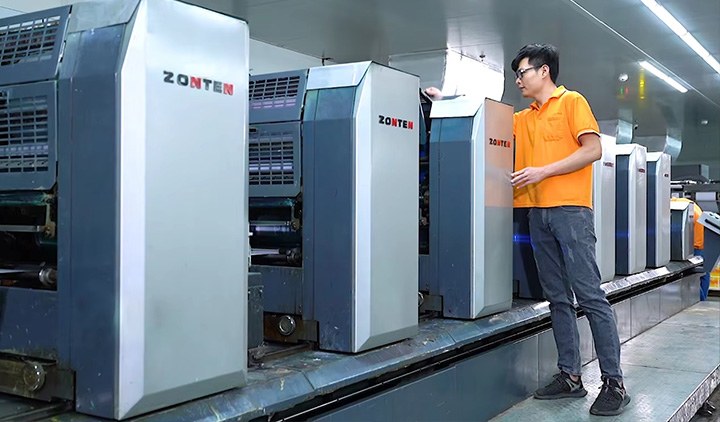
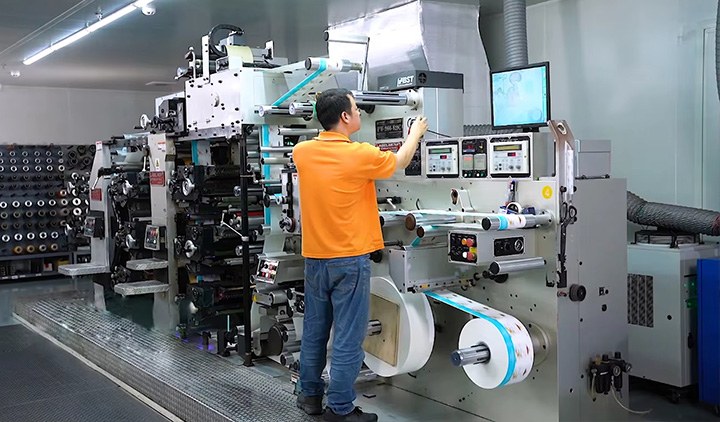
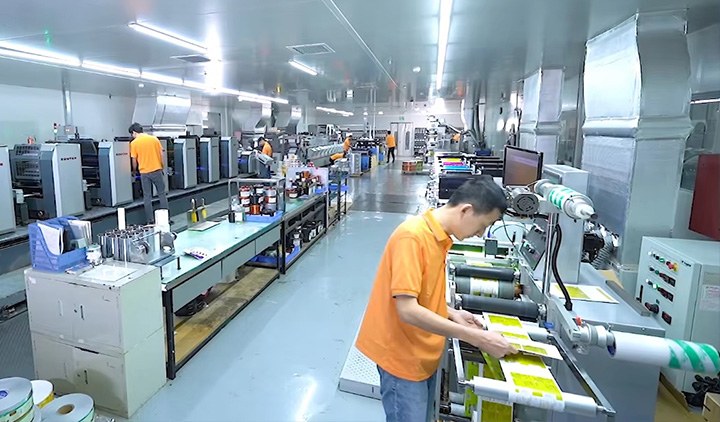
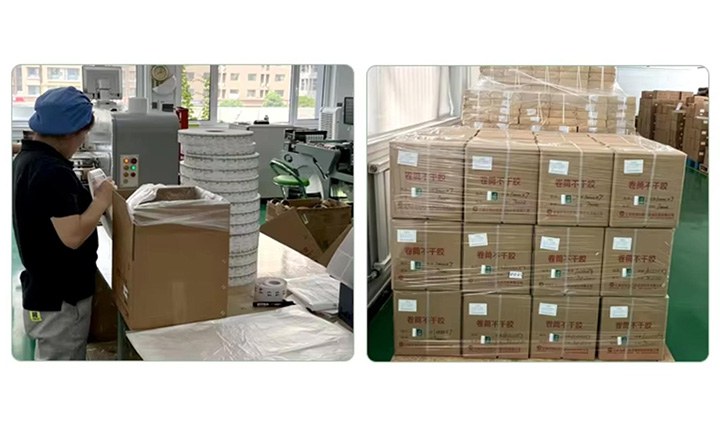
Custom Panda is a leading provider of premium packaging label solutions with specialized expertise in flexible pouch labeling across food, beverage, pet food, and household product categories. Our advanced manufacturing capabilities include high-speed flexo and digital printing, precision rotary die-cutting, and automated quality inspection systems, enabling us to deliver consistent quality and reliable performance for customers ranging from emerging brands to global enterprises. Our technical team offers comprehensive consultation on material selection, adhesive engineering, design optimization, application support, and sustainability guidance, ensuring your labels perform reliably throughout the product lifecycle and align with your brand values and environmental commitments. We provide rapid prototyping with digital proofing available in as little as 12 hours, accelerated production with typical lead times of 2 to 3 days after approval, and reliable global shipping through trusted logistics partners, enabling agile market response and timely product launches. Our proprietary adhesive formulations address common flexible labeling challenges including bonding to low-energy surfaces, performance through temperature and humidity variations, and durability under repeated flexing and handling. We believe every label is an opportunity to connect with consumers and elevate your brand, and we bring decades of industry experience, continuous innovation, and dedicated customer service to every project. Contact Custom Panda today to discuss your flexible pouch labeling requirements and experience the difference of true end-to-end service and technical excellence.