

What Are Carton Packaging Labels?
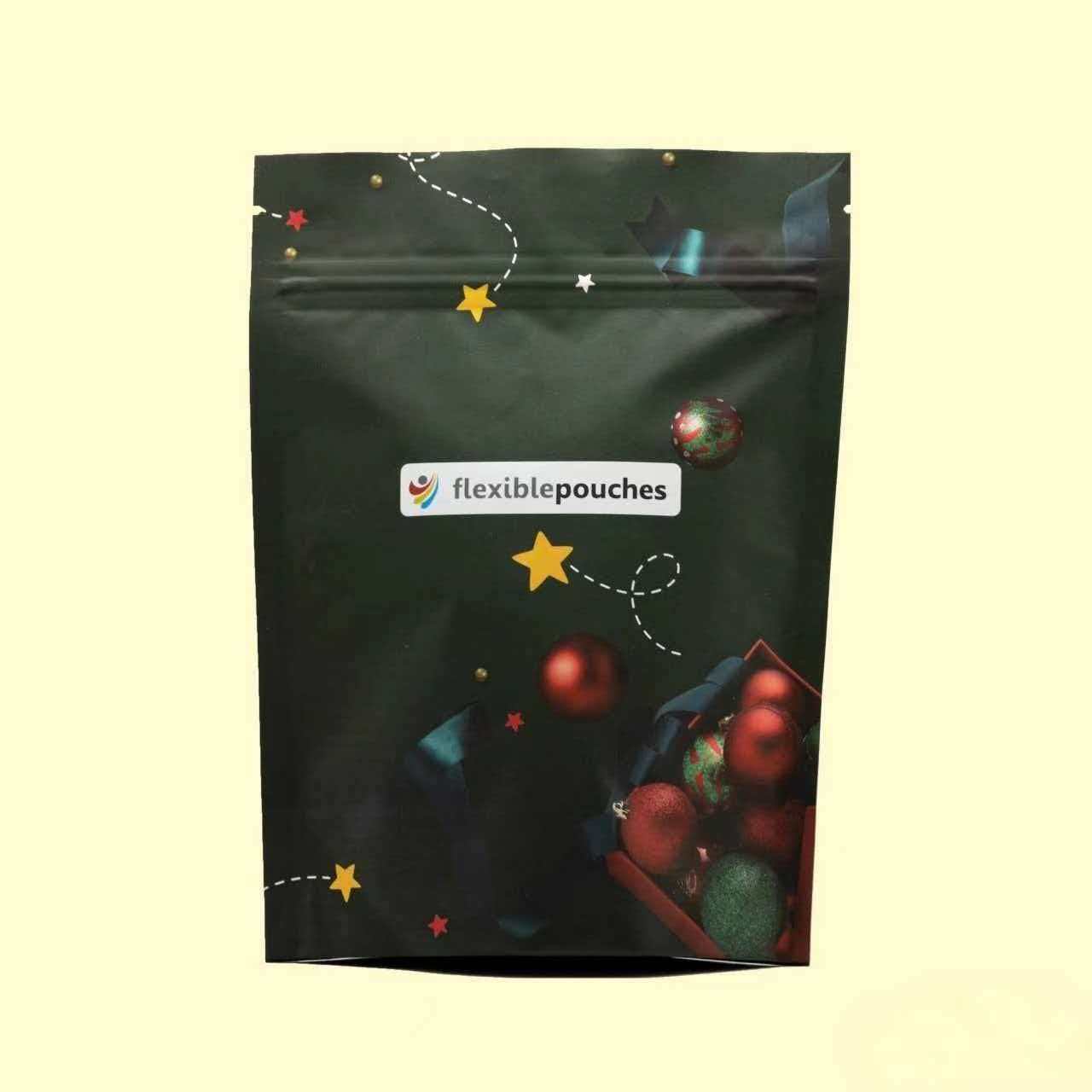
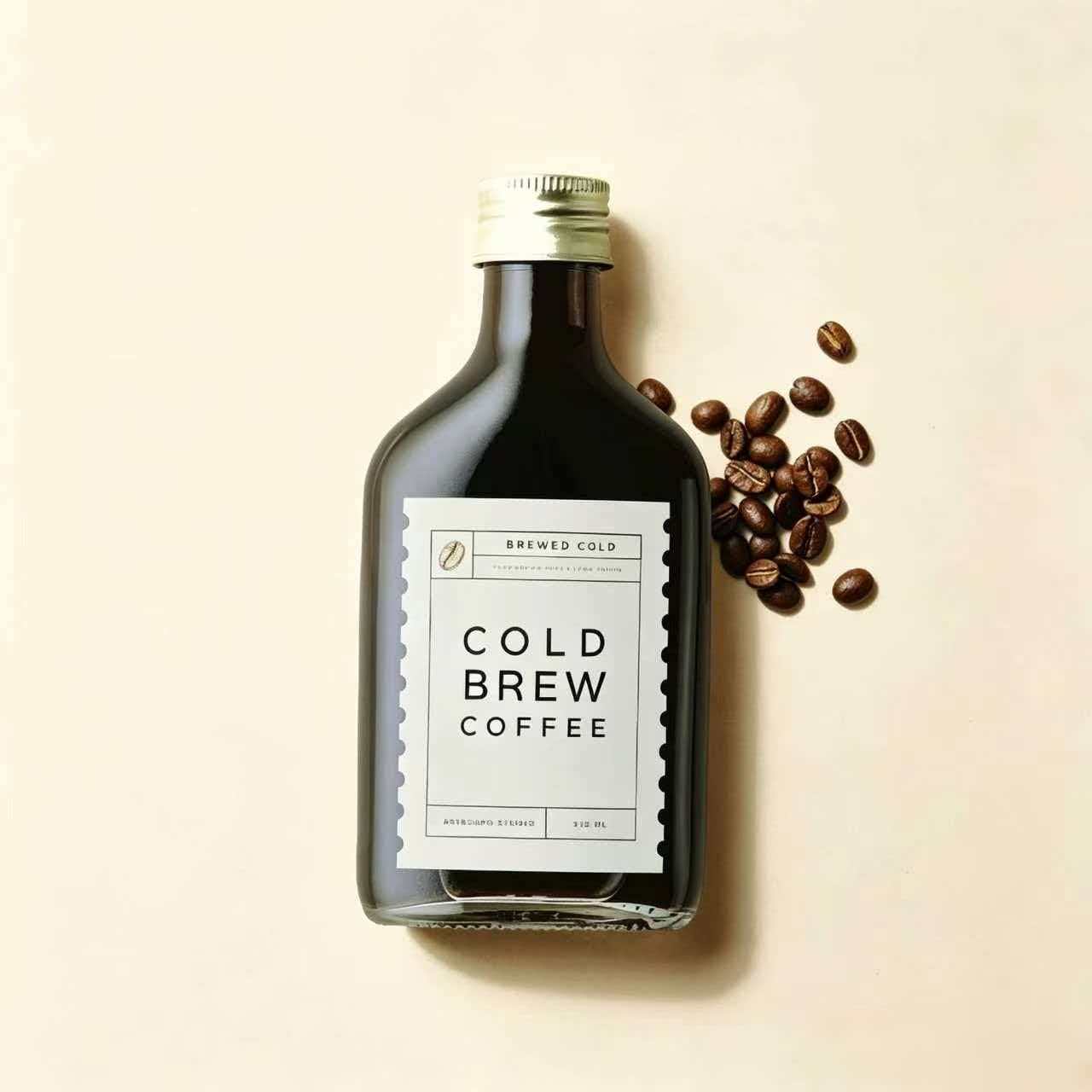
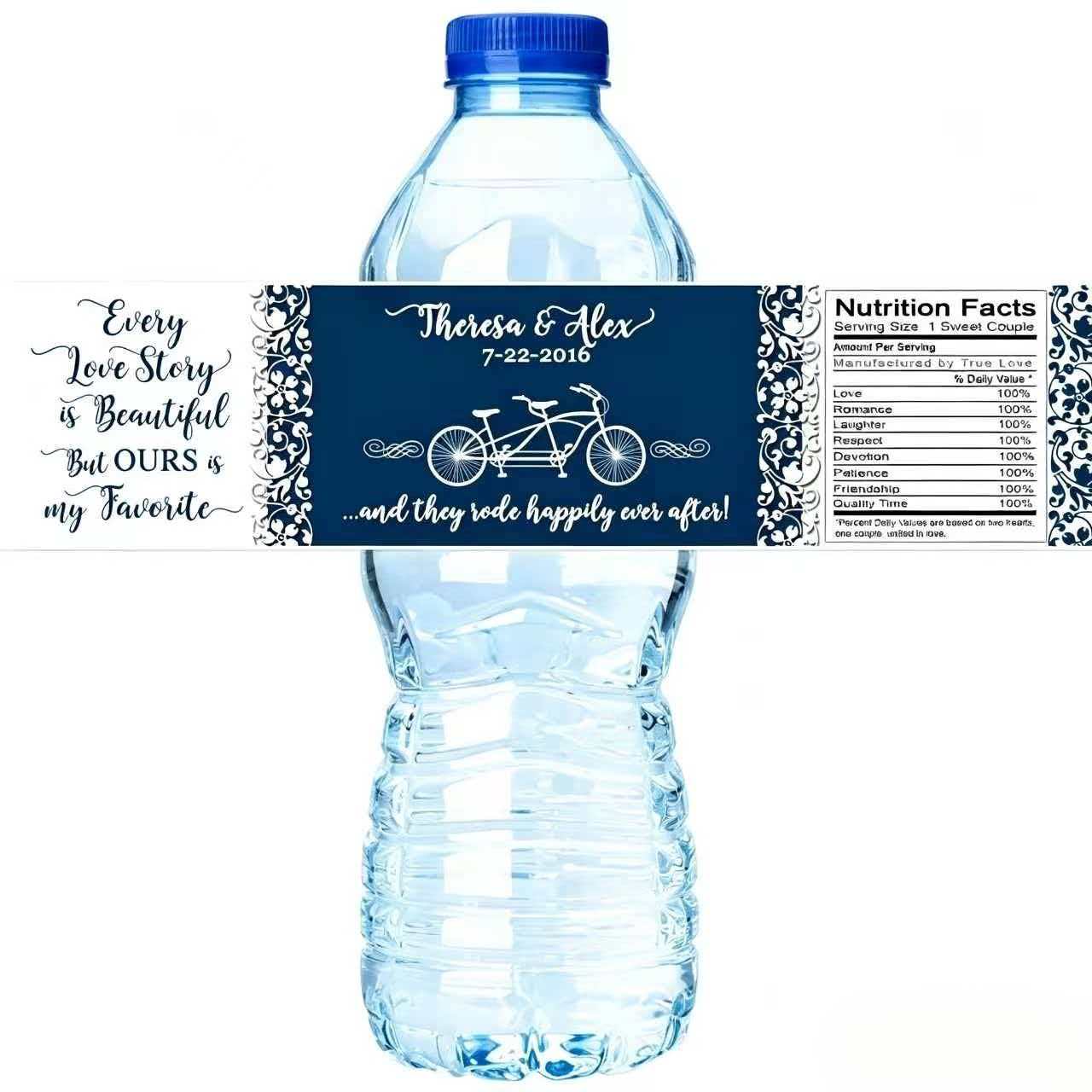
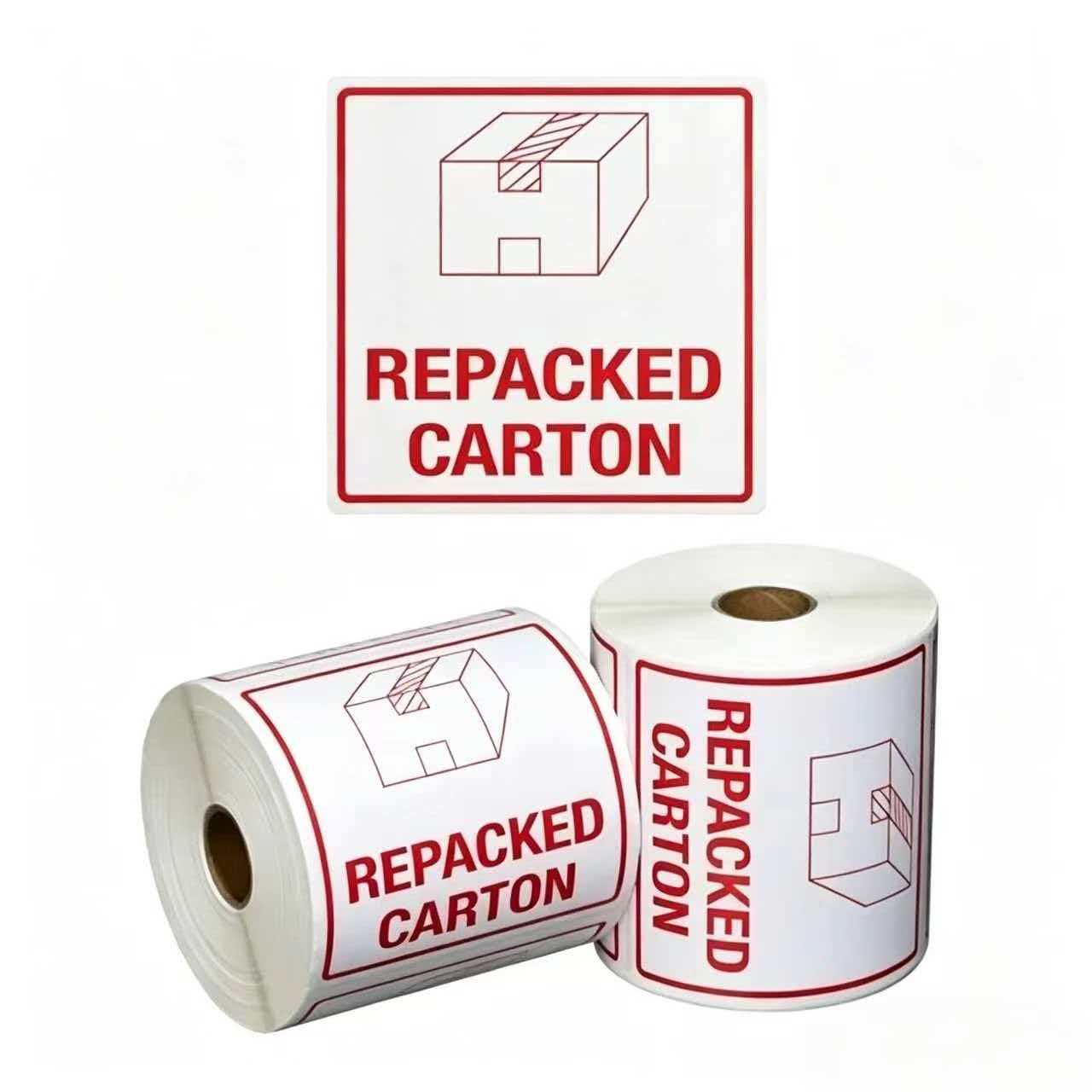
Carton packaging labels are specialized self-adhesive identifiers designed for application onto folding cartons, litho-laminated boxes, and corrugated gift boxes. These labels consist of three essential layers: a face material (which can be paper, film, or specialty stock), an adhesive layer, and a release liner. Unlike direct printing on the box itself, carton packaging labels provide remarkable post-printing flexibility, allowing brands to update promotional messages, batch codes, seasonal designs, or compliance information without changing the entire packaging inventory. Advanced die-cutting technology enables these labels to conform perfectly to rectangular, round, or complex irregular box shapes, delivering a seamless, high-quality finish that enhances the overall visual appeal of the package.
Types of Carton Packaging Labels
In terms of types, carton packaging labels can be categorized by face material, adhesive system, and die-cut shape. By face material, coated paper labels are the most cost-effective choice, offering vibrant color reproduction for cosmetics and food boxes in standard indoor environments. Specialty paper labels, such as textured, cotton, or metallic-finish papers, elevate the luxury perception for high-end alcohol, jewelry, or premium gift packaging. Film labels made from PET, PP, or PE provide waterproof, oil-resistant, and tear-proof properties, making them suitable for pharmaceutical packaging and frozen food products that may encounter moisture or extreme conditions. By adhesive system, permanent hot-melt adhesives deliver strong initial tack and bond firmly to rough surfaces like corrugated board, and they are designed to destroy the paper fibers upon removal, which serves as a tamper-evident feature. Removable pressure-sensitive adhesives allow clean peeling without leaving residue, ideal for temporary promotional stickers on electronics packaging. Freezer-grade adhesives are specially formulated for low-temperature, high-humidity environments down to -18°C, preventing label lifting during cold chain logistics. By die-cut shape, rectangular or square labels are the most common for standard box sides and tops, while round or oval labels are often used for box seals or decorative centerpieces. Custom or kiss-cut shapes, which follow brand logos or mascot contours, significantly enhance shelf differentiation and brand recognition.
Features of Carton Packaging Labels
The core features of modern carton packaging labels make them indispensable for quality packaging. They utilize advanced modified acrylic or rubber-based adhesives that effectively anchor to coated paper, uncoated kraft board, and even film-laminated carton surfaces. These adhesives flow into microscopic surface irregularities to ensure bubble-free application, even on the textured surface of corrugated board. Precision flatbed or rotary die-cutting technology ensures smooth, burr-free edges that match box curves perfectly, without interfering with the box's opening and closing functions. The print performance is equally impressive, with support for offset, flexo, digital, screen printing, and cold foiling techniques, achieving high-line-screen fidelity for delicate gradients and skin tones required in cosmetics and electronics. In 2026, the industry is increasingly prioritizing eco-friendly options, with solvent-free and water-based adhesives, as well as FSC-certified or recyclable face materials, becoming mainstream to align with circular economy principles and retailer sustainability requirements.
Functions of Carton Packaging Labels
The functions of carton packaging labels extend far beyond simple information disclosure. First, they serve as powerful brand identity tools, capturing consumer attention in a crowded retail environment and acting as a "silent salesperson" that reinforces brand visual identity. Second, they are essential for information delivery and regulatory compliance, displaying mandatory details such as ingredient lists, manufacturing dates, batch numbers, usage instructions, warnings, and barcodes with clarity and durability. Third, they play a critical role in anti-counterfeiting and traceability, integrating holographic foils, variable QR codes, microtext, or void-effect materials that reveal tampering upon removal, helping brands combat forgery and enable end-to-end supply chain tracking. Fourth, they enable consumer engagement and digital interaction, as QR codes on the label can lead customers to AR experiences, product storytelling videos, or loyalty program registration pages, transforming the static package into an interactive digital gateway that enhances customer loyalty and brand affinity.
Top Carton Packaging Labels in 2026
Looking at the top carton packaging labels available in 2026, several innovative products have gained industry recognition. Avery Dennison's CleanFlake™ technology offers eco-friendly adhesives that cleanly separate during the recycling process, making it a top choice for sustainable packaging in European and North American markets. UPM Raflatac's Forest Sense™ is the world's first wood-based polypropylene film label with a significantly reduced carbon footprint, ideal for luxury skincare gift boxes where sustainability meets premium aesthetics. Zhongshan Fuzhou's high-tack thermochromic security label features heat-sensitive ink and strong all-season adhesion for pharmaceutical packaging in the Asia-Pacific region, with a visible "VOID" effect upon removal to ensure tamper evidence. 3M's CIP-1000 ultra-strong adhesive label is known for its low-VOC adhesive formulation that anchors firmly to difficult UV-coated or aqueous-coated carton surfaces, making it a preferred choice for high-end electronics packaging where reliability is paramount. These industry leaders demonstrate the ongoing innovation in materials, adhesives, and functionality that defines the 2026 label market.
How to Select Carton Packaging Labels
Selecting the right carton packaging label requires a systematic evaluation from multiple dimensions. The first and most critical step is substrate compatibility testing: take your actual empty cartons, apply sample labels, and place them in a temperature and humidity chamber at 40°C and 75% relative humidity for 72 hours, then observe for any edge lifting, bubbling, or adhesive migration. If your carton surface has UV coating or film lamination, you must select specially formulated film-label adhesives. The second dimension is usage environment simulation: clearly define the lowest temperature and highest humidity your package will encounter during its logistics journey. For example, tropical ocean shipping routes demand resistance to high heat and humidity, while frozen food products require freezer-grade adhesives. The third dimension is application method: manual labeling allows the use of labels with thicker release liners for easier peeling, while automatic labeling at speeds exceeding 30 meters per minute requires labels with stable release force, precise die-cutting with clean matrix removal, and accurate pitch spacing on the roll to avoid machine stoppages. The fourth dimension is regulatory compliance and sustainability: for products exported to the European Union, label materials must comply with EU 10/2011 food contact regulations, and if your company has ESG goals, priority should be given to FSC-certified paper or bio-based films. The fifth dimension is economic balance: for large-volume, long-run orders in the millions, flexo printing combined with hot-melt adhesive offers the lowest cost-per-unit, while small-batch, multi-version promotional labels are better suited to digital printing with water-based pressure-sensitive adhesives, which eliminate plate-making costs and shorten delivery cycles significantly.
Carton Packaging Labels Size Guide
There is no one-size-fits-all standard for carton packaging label dimensions, but several design principles guide optimal sizing. The visual proportion principle suggests that the label area typically occupies 15% to 40% of the primary display surface (front face) of the carton; anything smaller may go unnoticed, while anything larger might interfere with structural integrity or overall design aesthetics. The edge clearance safety rule requires maintaining a minimum distance of 3mm to 5mm between the label edge and any carton crease lines, score lines, or edges, which effectively prevents edge lifting caused by repeated box folding and unfolding during use. For practical reference, common sizes include small cartons such as lipstick boxes or pill packs, which typically use 30mm × 50mm or 40mm × 60mm rectangles, or round seals with diameters of 25mm to 40mm. Medium-sized electronics boxes, like mobile phone accessories or small appliances, commonly use 60mm × 80mm up to 100mm × 150mm. Large corrugated gift boxes, such as mooncake or tea gift sets, often feature front main labels of 120mm × 180mm or larger, with side information labels typically sized at 50mm × 70mm. For custom shapes, dimensions are precisely calculated from the box dieline by the tooling manufacturer, ensuring that the die-cutting刀线 perfectly matches the box's curved contours.
How to Customize Carton Packaging Labels
Customizing carton packaging labels follows a standardized process that ensures quality and precision. The first step is requirement analysis and file preparation: provide your final approved design files in AI, CDR, or PDF format, and clearly specify the carton material, expected usage temperature range, labeling method (manual or automatic), and intended label placement positions. The second step is material selection and prototyping: work with your supplier to choose the appropriate face material (coated paper, PET film, specialty paper) and adhesive type. Request digital proofs to confirm color accuracy, and then conduct on-site application samples to test adhesion under simulated extreme conditions. The third step is plate-making and die-cutting tool fabrication: for large-volume orders, printing plates (for flexo or offset) and die-cutting cylinders are manufactured. Custom-shaped labels require a dedicated die-cutting tool, which typically costs several hundred to several thousand dollars depending on complexity. The fourth step is production and quality control: during mass production, the supplier should conduct online inspection of die-cutting precision, printing registration accuracy (which should be within 0.2mm), and adhesive coating uniformity. The fifth step is acceptance criteria: upon delivery, randomly inspect rolls for neat end faces, acceptable splice counts, and perform additional accelerated aging tests to verify batch-to-batch stability. Following this structured process ensures that your customized labels perform reliably throughout their lifecycle.
Supplier of Carton Packaging Labels
The global supply chain for carton packaging labels features several established leaders across different market segments. Among international material giants, Avery Dennison from the United States stands as the global leader in self-adhesive materials, offering comprehensive technical solutions across all label categories. UPM Raflatac from Finland is renowned for its sustainable paper and film label solutions, with strong emphasis on bio-based and recycled content. Lintec from Japan leads in high-end optical-grade and ultra-clear film labels, particularly valued in premium electronics and cosmetics packaging. In the domestic Chinese market, comprehensive printing groups such as Zhongshan Fuzhou Adhesive Products Co., Ltd. offer competitive pricing with rapid service response, while Shanghai Zhengwei Printing Co., Ltd. specializes in cosmetic and pharmaceutical packaging labels with advanced process capabilities. For specialty functional labels, Ritrama from Italy excels in high-transparency and ultra-thin die-cut labels, and the Covestro partner label network provides polycarbonate-based labels with exceptional chemical resistance. These suppliers represent the diverse capabilities available to brands seeking reliable, innovative, and cost-effective labeling solutions.
About Custom Panda
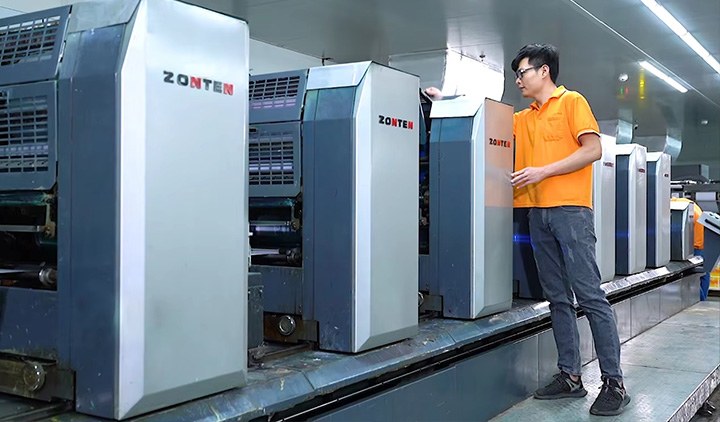
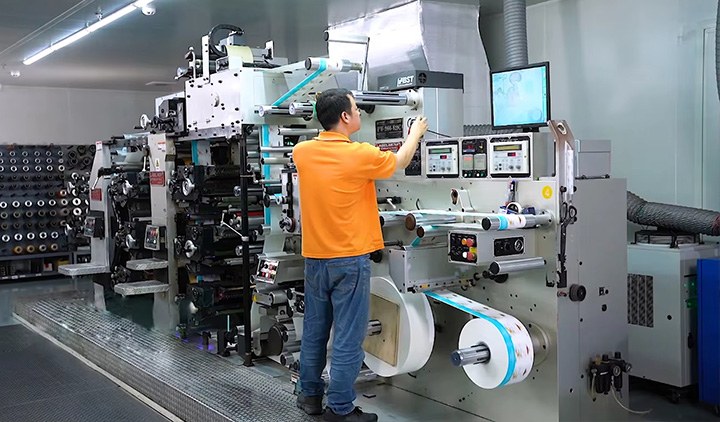
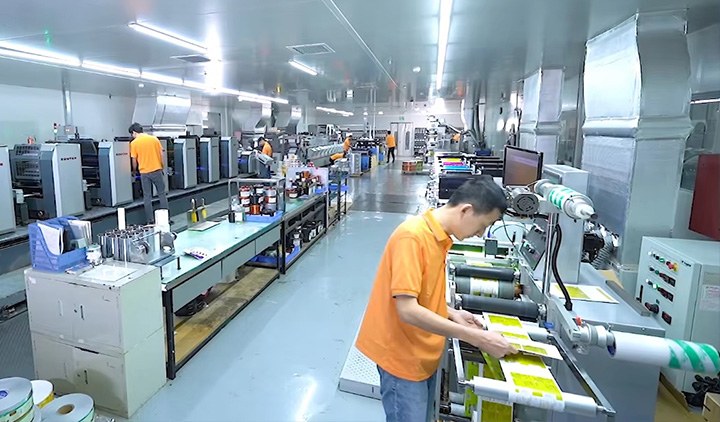
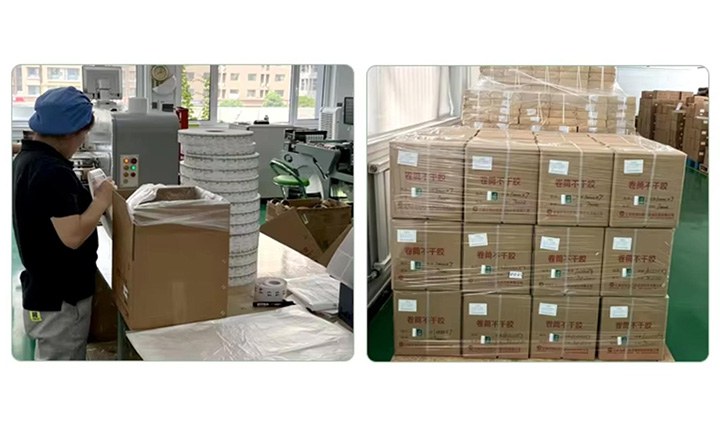
As a comprehensive one-stop solution provider for carton packaging labels with over a decade of deep industry experience, Custom Panda is dedicated to serving cosmetics, electronics, food, and pharmaceutical brands with end-to-end services spanning material R&D, creative design, intelligent manufacturing, and global delivery. Our manufacturing facility features Class 100,000 cleanroom standards, equipped with 6-color full-rotary letterpress printing machines, digital die-cutting systems, and advanced coating lines, with a daily production capacity reaching millions of labels. Our core competitive advantages include proprietary adhesive formulations that solve the persistent industry pain points of label lifting and poor adhesion on film-laminated and UV-coated carton surfaces. We offer rapid prototyping with 24-hour urgent digital proofing to support new product launch timelines. Our full-process quality traceability system provides laboratory-tested peel adhesion, initial tack, and holding power reports for every production batch. We believe that every label tells a brand story, and choosing Custom Panda means partnering with a professional, reliable, and sustainability-focused team committed to your long-term growth. Contact our technical team today for a dedicated carton packaging label evaluation tailored to your specific packaging needs.