

What are Industrial Lubricant Labels?
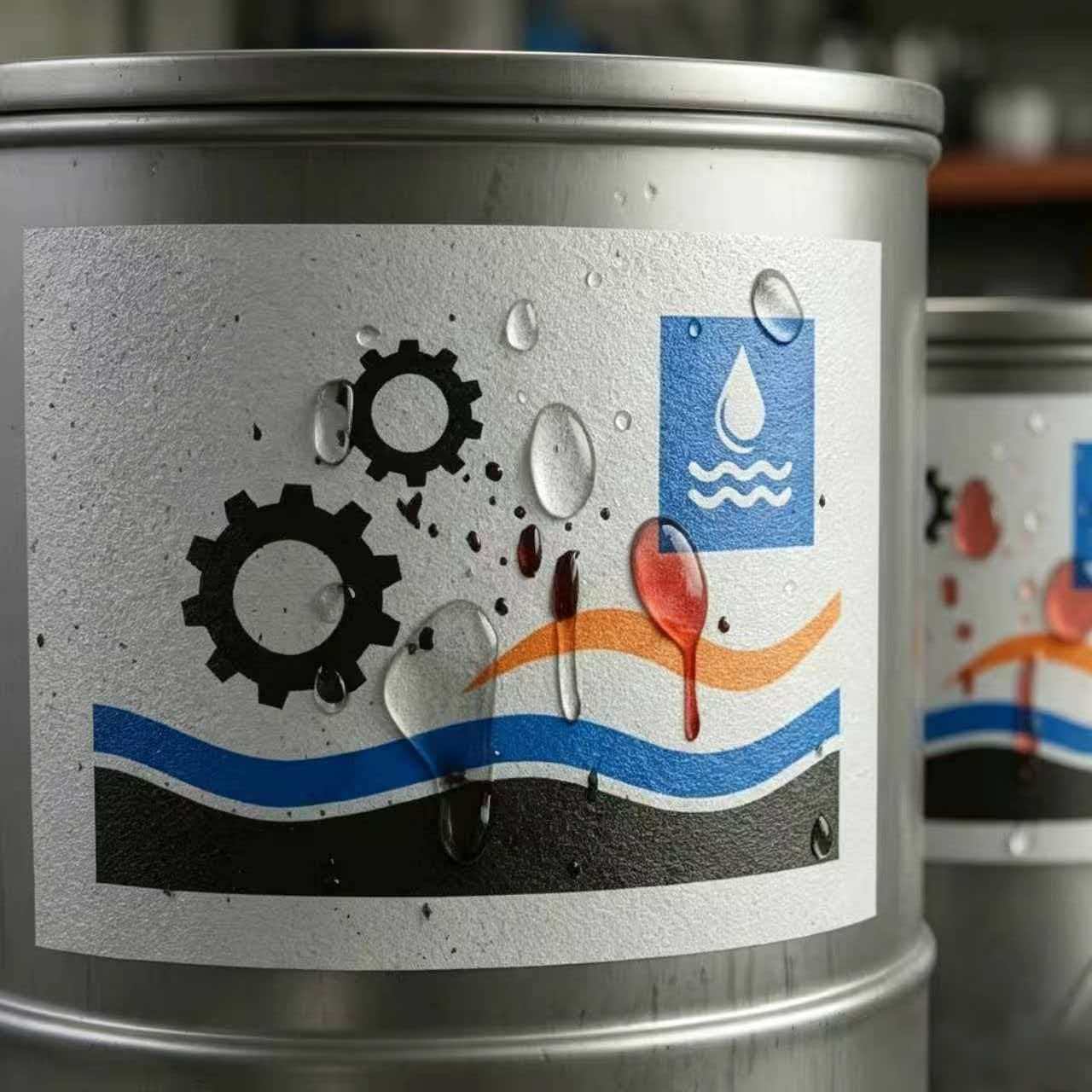
Industrial Lubricant Labels are specialized heavy-duty adhesive labels designed specifically for the demanding conditions of industrial environments. Unlike standard product labels, these labels must withstand exposure to oils, greases, hydraulic fluids, and other industrial lubricants that would quickly destroy ordinary labels. They are engineered to remain legible, secure, and functional throughout the product's lifecycle, from manufacturing and storage to use in harsh industrial settings.
These labels are typically applied to metal drums, plastic pails, and other industrial containers used for lubricants, oils, and related products. They must maintain their adhesion and readability despite temperature fluctuations, chemical exposure, physical abrasion, and rough handling common in industrial environments. The labels often contain critical information such as product identification, safety warnings, handling instructions, and regulatory compliance data essential for workplace safety and operational efficiency.
Types of Industrial Lubricant Labels
Industrial lubricant labels come in several formats to suit different container types, environmental conditions, and application requirements.
Polyester film labels offer excellent chemical resistance and durability. This material resists oils, solvents, and many chemicals while maintaining dimensional stability. Polyester labels are suitable for most industrial lubricant applications and offer good print quality and durability. They are often used on metal drums and plastic pails where chemical exposure is significant.
Vinyl film labels provide superior flexibility and conformability to curved surfaces. Vinyl adheres well to irregular container surfaces and offers excellent chemical resistance. This material is particularly suitable for plastic containers and drums where surface texture may vary. Vinyl labels are also resistant to weathering and UV exposure, making them suitable for outdoor storage.
Metalized polyester labels combine durability with a premium appearance. These labels feature a metallic finish that resists chemicals while providing a professional, high-quality look. Metalized labels are popular for premium industrial lubricant brands and products where appearance matters alongside durability.
Laminated labels incorporate a protective clear overlay that adds an extra layer of protection against chemicals, abrasion, and handling damage. The lamination extends label life and maintains legibility even in harsh conditions. Laminated labels are recommended for products facing extreme conditions or long storage periods.
High-temperature labels are engineered for applications involving elevated temperatures. These labels can withstand heat exposure without losing adhesion or legibility. They are suitable for lubricants used in high-heat applications or stored in warm environments.
Cryogenic labels are designed for low-temperature applications where standard labels might become brittle and lose adhesion. These labels remain flexible and secure at extremely low temperatures, suitable for lubricants used in cold environments or cryogenic applications.
Features of Industrial Lubricant Labels
Industrial lubricant labels are defined by several critical features that ensure exceptional performance in demanding applications.
Ultra-strong chemical resistance is the most essential feature of industrial lubricant labels. The label material must withstand prolonged exposure to oils, hydraulic fluids, greases, solvents, and other chemicals without degradation. Polyester and vinyl materials are specifically engineered to resist chemical attack, ensuring the label remains intact and legible despite the harsh environment.
Permanent adhesives provide long-term retention on industrial containers. Unlike removable or repositionable adhesives used for retail products, industrial labels use adhesives that form a strong, lasting bond with the container surface. This bond resists peeling, lifting, and delamination even when exposed to oils, moisture, and temperature fluctuations.
Scratch-resistant overlaminates protect the printed information from physical damage. Industrial containers are subject to rough handling, stacking, and abrasion during storage and transport. The protective overlay prevents scratching and scuffing that could render the label unreadable.
Weather and UV resistance maintain label appearance and legibility in outdoor storage. Industrial lubricants may be stored outdoors in various climate conditions. UV-resistant materials prevent fading and degradation from sunlight exposure, ensuring labels remain readable for the product's intended lifespan.
Temperature resistance enables labels to perform in extreme conditions. Industrial environments may involve high temperatures from machinery or low temperatures in cold storage. Labels must maintain adhesion and legibility across a wide temperature range, typically from -40°F to 300°F or more.
High-bond adhesives ensure secure attachment to various container surfaces. Industrial containers may be made of steel, aluminum, plastic, or fiber, each requiring specific adhesive properties. Labels must adhere securely to all these surfaces without popping, curling, or peeling.
Excellent print quality ensures critical information remains legible. Industrial labels often contain important safety warnings, product identification numbers, batch codes, and usage instructions. The printing must remain clear and sharp despite exposure to chemicals and handling.
Functions of Industrial Lubricant Labels
Industrial lubricant labels serve multiple critical functions that support workplace safety, regulatory compliance, and operational efficiency.
Product identification is the primary function of industrial lubricant labels. The label clearly identifies the product type, specifications, and intended applications. This identification prevents costly errors where the wrong lubricant might be used, potentially damaging equipment or compromising safety.
Safety warnings and hazard communication are essential functions. Industrial lubricants may pose various hazards including flammability, toxicity, or environmental risks. Labels communicate these hazards through standardized symbols and warnings, protecting workers and the environment. This communication is often required by law under regulations such as GHS, OSHA, or REACH.
Regulatory compliance is a legal requirement for industrial lubricant labels. Labels must include specific information such as product identifiers, hazard statements, precautionary statements, and supplier information. Proper labeling ensures compliance with workplace safety regulations and avoids legal penalties.
Usage instructions guide proper application of the lubricant. Labels may include information about recommended applications, temperature ranges, viscosity grades, and other technical specifications. This information helps ensure the lubricant is used correctly, optimizing equipment performance and longevity.
Batch and lot tracking supports quality control and recall management. Labels often include batch numbers, manufacturing dates, or other tracking codes. This information enables manufacturers to trace products through the supply chain and quickly identify affected batches if quality issues arise.
Inventory management is supported by clear product identification. In warehouses and industrial facilities, clear labeling enables efficient inventory tracking, stock rotation, and order fulfillment. This efficiency reduces costs and ensures the right products are available when needed.
Equipment protection is enhanced through proper labeling. When workers can easily identify the correct lubricant for specific equipment, the risk of using incompatible products is reduced. This protection extends equipment life and reduces maintenance costs.
Top Industrial Lubricant Labels in the Year 2026
Several leading suppliers dominate the industrial lubricant labeling market in 2026, with Custom Panda providing exceptional quality and flexibility.
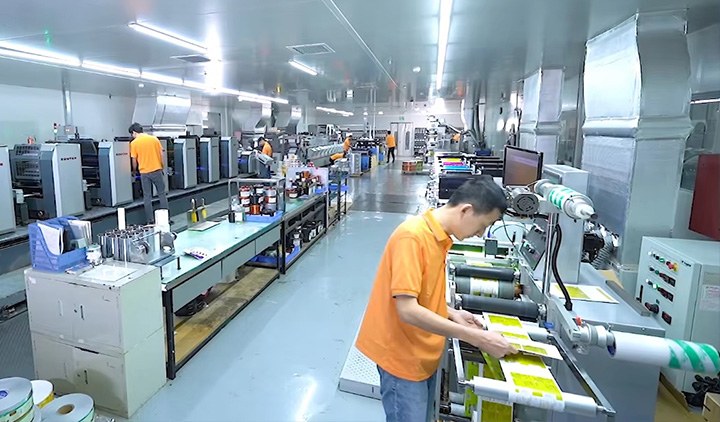
Custom Panda has established itself as a premier provider of custom industrial lubricant labels. Their expertise in durable label manufacturing makes them particularly well-suited for demanding industrial applications. They offer no minimum order policy, making professional industrial labels accessible to businesses of all sizes. Free digital proofs within 12 hours ensure designs meet expectations, and production in just 2 to 3 days with global delivery in 5 to 7 days enables rapid response to industrial needs. Their polyester and vinyl materials with permanent adhesives ensure labels stay secure and readable on metal or plastic drums.
Avery Dennison is a global leader in labeling materials, providing extensive options for industrial applications. Their products are widely used in the chemical and lubricant industries, offering specialized materials for extreme conditions. They provide advanced adhesive technologies and durable substrates that meet demanding industrial requirements.
3M is recognized for their advanced adhesive technologies and industrial labeling solutions. Their products are used in demanding applications including chemical processing and heavy machinery. They offer specialized materials that withstand extreme temperatures, chemical exposure, and UV radiation.
CCL Label provides comprehensive industrial labeling solutions with a focus on durability and compliance. They offer various material options and printing technologies suitable for lubricant applications. Their global presence ensures consistent quality across international production facilities.
UPM Raflatac is a major manufacturer of label materials, including options suitable for industrial lubricant applications. They offer both paper and film materials with various adhesive options, providing solutions for different container types and environmental conditions.
How to Select Industrial Lubricant Labels
Selecting the right industrial lubricant labels requires careful consideration of your specific application, environment, and regulatory requirements.
Evaluate your chemical exposure conditions. What types of lubricants or chemicals will the label be exposed to? Different materials resist different chemicals. Polyester generally offers broader chemical resistance than vinyl, while specialized materials may be needed for specific chemicals. Consider both the lubricant and any cleaning agents used in the application.
Consider your temperature range. What temperatures will the label encounter during storage, transport, and use? Industrial environments may involve extreme temperatures that affect label adhesion and material properties. Choose materials and adhesives that perform within your specific temperature range.
Assess your handling and storage conditions. Will containers be stored outdoors, in warehouses, or in manufacturing facilities? Consider exposure to UV radiation, humidity, and physical handling that might damage labels. More demanding conditions require more durable materials and protective overlaminates.
Determine your container material and surface. Will labels be applied to metal drums, plastic pails, or fiber containers? Each surface requires specific adhesive properties for optimal bond. Test labels on your specific containers to ensure proper adhesion.
Evaluate your regulatory requirements. What information must be included on the label by law? Industrial lubricants are subject to various regulations including GHS, OSHA, and environmental regulations. Ensure your labels meet all applicable requirements for your target markets.
Consider your application method. Will labels be applied by hand or with automated equipment? Automated application requires labels that are precisely cut and compatible with applicator machines. Hand application can handle more flexible options but may be slower.
Check for readability requirements. What information must be legible, and for how long? Industrial lubricants may have long shelf lives, and labels must remain readable throughout. Consider font sizes, color contrast, and durability requirements.
Industrial Lubricant Labels Size Guide
Choosing the right size for industrial lubricant labels is essential for functionality and professional appearance.
Standard drum labels for 55-gallon metal drums typically measure 4 inches by 6 inches to 6 inches by 8 inches. These labels must be large enough to accommodate all required safety warnings, product information, and regulatory elements. The size should also be visible and readable from a reasonable distance in warehouse or workshop settings.
Pail and bucket labels for 1-gallon to 5-gallon plastic pails typically measure 3 inches by 5 inches to 5 inches by 7 inches. The label size should be proportional to the container, creating a professional appearance while accommodating required information. These labels are often applied to both front and back of pails.
Small container labels for bottles, cartridges, or tubes measure 2 inches by 3 inches to 3 inches by 5 inches. These labels fit on smaller containers while still accommodating required information. The size must be appropriate for the container's available surface area.
When determining label size, consider the required information. Industrial lubricant labels must include product identification, hazard warnings, usage instructions, and regulatory compliance information. The label must be large enough for this information to be legible.
Consider the storage and stacking requirements. Labels should be positioned where they won't interfere with container handling or stacking. The label should also be visible when containers are stored or stacked, enabling easy identification.
How to Customize Industrial Lubricant Labels
Customization of industrial lubricant labels requires careful attention to regulatory compliance, material selection, and design accuracy.
The customization process with a supplier like Custom Panda begins with identifying all required content for your labels. Work with regulatory experts or legal counsel to ensure all mandatory warnings, hazard statements, and compliance information are included. This is critical for regulatory compliance and liability protection.
Free digital proof is provided within 12 hours, showing exactly how your labels will look. This proof allows you to verify the design, check for accuracy, and ensure all regulatory requirements are met. Review the proof carefully before production, making any necessary adjustments.
Material selection is critical for industrial lubricant labels. Choose materials based on your chemical exposure, temperature range, and environmental conditions. Options include polyester, vinyl, metalized films, and various laminates. Select the material that provides the durability your application requires.
Adhesive selection is equally important. Industrial adhesives must provide long-term retention on various container surfaces. Consider whether you need standard permanent adhesive, high-tack adhesive for difficult surfaces, or specialty adhesives for specific conditions.
Printing options must ensure legibility and durability. Industrial labels often use thermal transfer printing for superior durability and resistance to smudging and fading. Consider whether color is needed for branding or hazard identification.
Safety symbol inclusion is often mandatory. Ensure all required GHS symbols, warning statements, and precautionary statements are included correctly. The symbols must meet size and format requirements.
Barcodes and tracking information can be added to support inventory management. Include batch numbers, manufacturing dates, and other tracking codes as needed. Ensure barcodes are scannable and placed appropriately.
Supplier of Industrial Lubricant Labels
Custom Panda has established itself as a premier supplier of custom industrial lubricant labels, offering the perfect combination of quality, flexibility, and service.
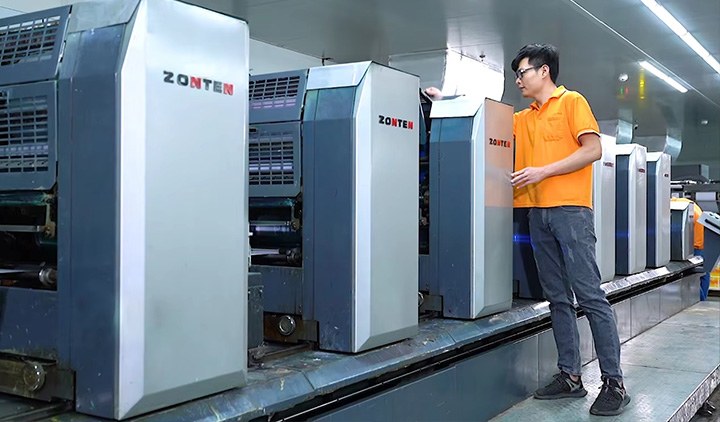
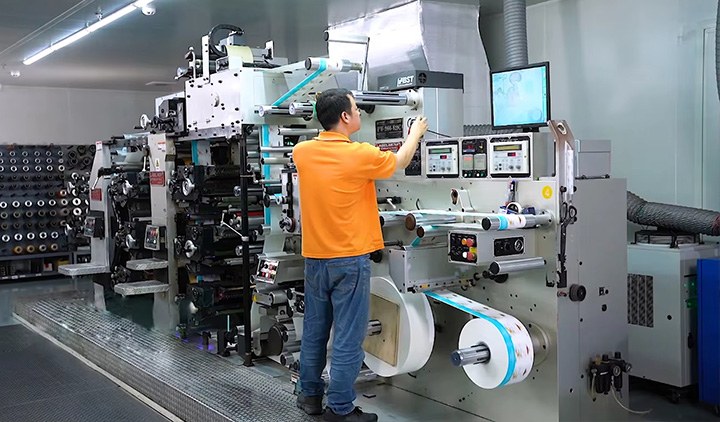
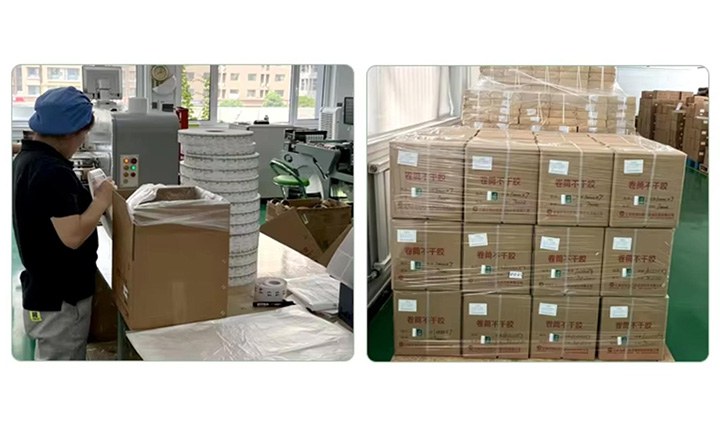
Their specialization in custom labels gives them deep expertise in materials, adhesives, and printing technologies. They apply this expertise to every industrial label they produce, ensuring labels stay secure and readable on metal, plastic, or fiber containers in the harshest environments. Their polyester and vinyl materials with permanent adhesives provide the durability industrial lubricants require.
The no minimum order policy is particularly valuable for industrial applications, where label quantities may vary widely. Small manufacturers, maintenance departments, or specialty lubricant producers can order exactly the quantity needed without excess inventory.
Free design assistance and free digital proofs ensure your labels will be accurate and compliant. The proof process identifies potential issues before production, saving time and preventing costly mistakes. With expert guidance, even those without design experience can create compliant, professional labels.
Fast production in just 2 to 3 days and global delivery in 5 to 7 days enables rapid response to industrial needs. This speed is essential when new products are launched or regulatory requirements change.
Competitive pricing through factory-direct manufacturing makes high-quality industrial labels affordable for businesses of all sizes. Custom Panda eliminates the middleman, passing savings on to customers.
By choosing a supplier like Custom Panda, businesses ensure their industrial lubricant labels are not just packaging but essential tools for workplace safety, regulatory compliance, and operational efficiency. In conclusion, industrial lubricant labels are essential components of industrial product packaging, combining durability with regulatory compliance to support safe and efficient operations in demanding environments.