




What are Essential Oil Labels?
Essential Oil Labels are specialized adhesive labels designed specifically for the unique packaging requirements of essential oils and aromatherapy products. Unlike standard product labels, these labels must resist the powerful chemical properties of concentrated essential oils, which can corrode ordinary adhesives, degrade standard materials, and blur printing over time. They are engineered to maintain their appearance, adhesion, and legibility despite continuous contact with potent botanical extracts.
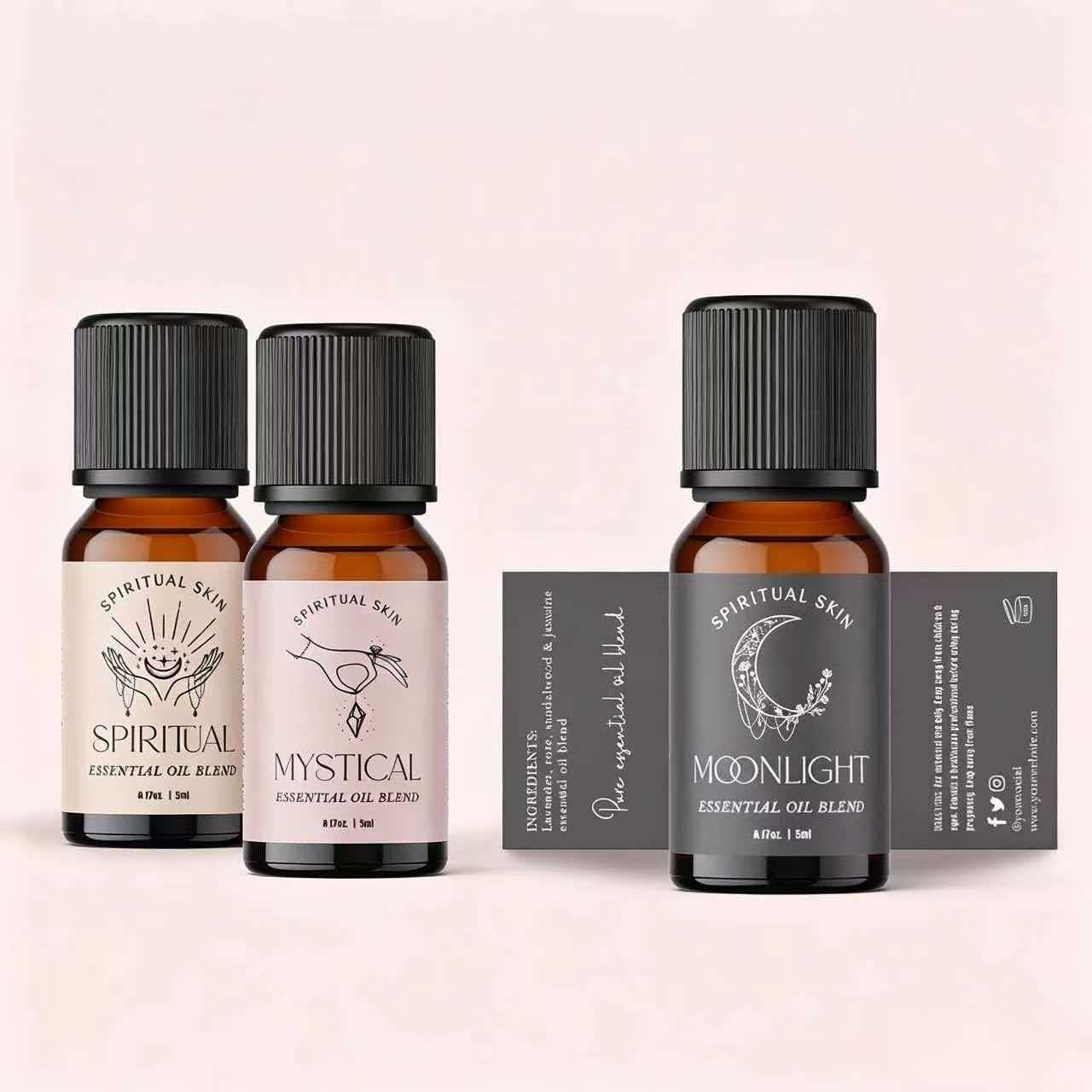
These labels are typically applied to dark glass bottles, which protect essential oils from light degradation. The label design reflects the natural, therapeutic nature of essential oils, often featuring minimalist aesthetics, botanical illustrations, and calming color palettes. The label must communicate product identity, usage instructions, safety warnings, and often therapeutic benefits, while also meeting regulatory requirements for natural health products.
Types of Essential Oil Labels
Essential oil labels come in several formats to suit different bottle designs, brand aesthetics, and application requirements.
Synthetic film labels offer superior oil resistance and durability. Made from materials like polypropylene, polyester, or vinyl, these labels are impervious to essential oil penetration and maintain their appearance even with prolonged contact. They are suitable for all types of essential oils, including those with particularly aggressive chemical properties. Film labels can be produced with various finishes including matte, gloss, or textured effects.
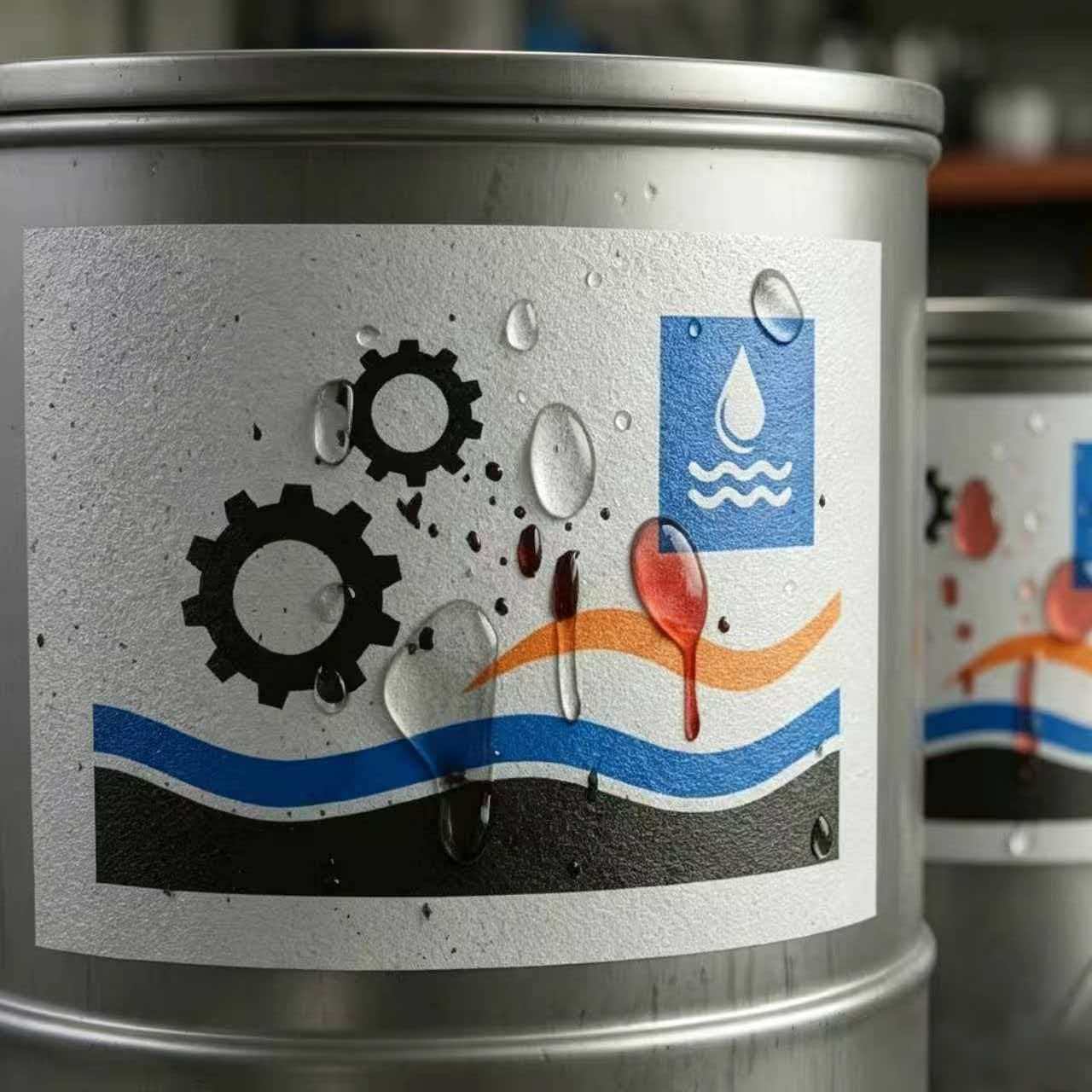
Waterproof labels provide protection against moisture and oil. Essential oils are often used in environments where water or humidity may be present, such as bathrooms or during application. Waterproof materials ensure the label remains intact and legible even when exposed to moisture. These labels are particularly important for essential oils used in diffusers or for topical application.
Clear film labels offer a modern, minimal look that allows the natural oil color to show through. These transparent labels create a sophisticated, contemporary appearance while providing oil resistance. Clear labels are popular for premium essential oil brands where the product's visual quality should be showcased. They require careful adhesive selection to ensure transparency and bubble-free application.
Matte finish labels provide a sophisticated, non-reflective surface that enhances the perception of natural quality. The matte surface reduces glare, making the label easier to read in various lighting conditions. It also creates a soft, tactile feel that conveys natural, therapeutic quality. Matte finishes are particularly popular for essential oil brands emphasizing their natural and holistic positioning.
Textured labels add tactile appeal that conveys craftsmanship and quality. Textures can range from subtle linen effects to more pronounced handmade paper textures. The texture enhances the label's visual and tactile appeal, suggesting an artisanal, natural product.
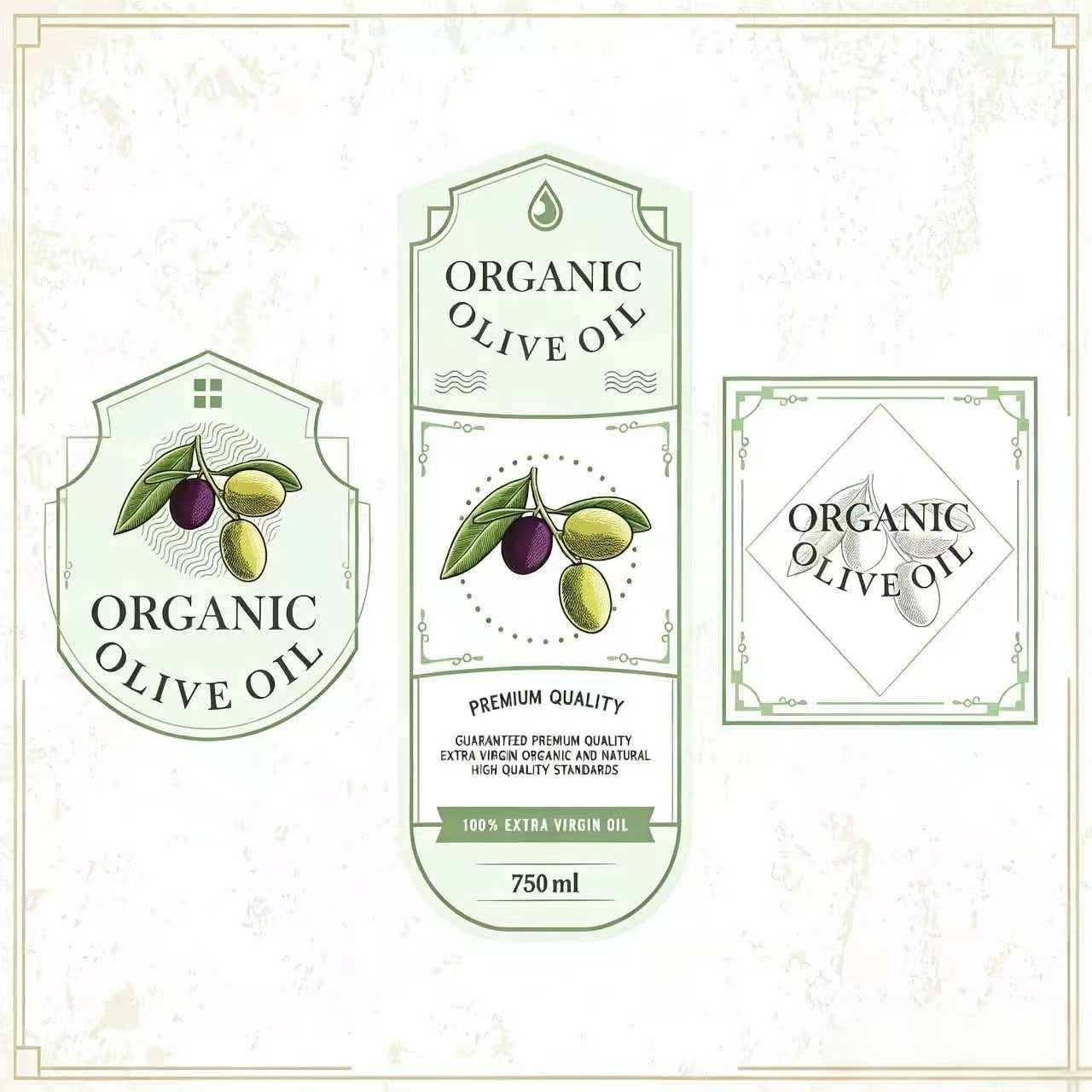
Minimalist design labels feature clean typography, ample white space, and simple botanical imagery. This design approach communicates purity, simplicity, and natural quality that aligns with essential oil branding. Minimalist designs are popular for premium essential oil brands targeting health-conscious, design-savvy consumers.
Features of Essential Oil Labels
Essential oil labels are defined by several critical features that ensure they meet the aesthetic and functional requirements of the essential oil market.
Oil-resistant synthetic materials are the most essential feature of essential oil labels. The label must resist penetration from essential oils' potent chemical compounds, which can cause adhesion failure, staining, or material degradation. Synthetic films such as polypropylene, polyester, and vinyl provide this resistance, ensuring the label maintains its appearance throughout the product's lifecycle.
Waterproof properties protect labels from moisture exposure. Essential oils are often used in humid environments or come into contact with water during application. Waterproof materials prevent the label from warping, smudging, or losing adhesion when exposed to moisture. This feature ensures the label remains legible and professional-looking.
Chemical resistance ensures the label withstands the aggressive properties of essential oils. Some essential oils contain compounds that can degrade standard materials. Specialized synthetic materials resist these chemical effects, maintaining the label's integrity and appearance.
Natural, minimalist aesthetics create visual appeal for essential oil branding. Design elements such as clean typography, botanical illustrations, and calming color palettes communicate the product's natural, therapeutic nature. The minimalist approach signals purity and simplicity, values important to essential oil consumers.
Dark glass compatibility ensures labels adhere properly to amber, cobalt blue, or dark green bottles. These dark glass containers protect essential oils from light degradation, but their surface may require specific adhesives for proper bonding. Labels must adhere securely to these surfaces without peeling or bubbling.
UV-resistant inks prevent fading from light exposure. Although essential oils are typically stored in dark bottles, they may be exposed to light during use or display. UV-resistant inks maintain the label's appearance despite light exposure.
Medical and safety information clarity ensures critical warnings and usage instructions are easily read. Essential oils can be potent and may require specific precautions. The label must communicate this information clearly and legibly, often including dilution instructions and safety warnings.
Functions of Essential Oil Labels
Essential oil labels serve multiple critical functions that support branding, consumer safety, and regulatory compliance.
Product identification is the primary function of essential oil labels. The label clearly identifies the oil's botanical name, common name, and plant part used. This identification helps consumers choose the right oil for their needs and ensures proper usage. Accurate identification is particularly important for essential oils with similar names but different properties.
Safety communication is a critical function for essential oil labels. Many essential oils require specific precautions regarding dilution, application methods, and potential sensitivities. Labels must communicate these warnings clearly, including information about skin sensitivity, phototoxicity risks, and proper dilution ratios. This safety information protects consumers and reduces liability.
Therapeutic benefit communication helps consumers understand the oil's potential uses. Labels often include information about the oil's traditional uses, therapeutic properties, and recommended applications. This information guides consumers in using the oils effectively for their wellness goals.
Usage instructions provide practical guidance for consumers. Labels may include information about diffusion methods, topical application, and dilution guidelines. Clear instructions help consumers use the oils safely and effectively.
Batch and lot tracking supports quality control and product traceability. Essential oil labels often include batch numbers, manufacturing dates, and expiration dates. This information enables manufacturers to trace products through the supply chain and quickly identify affected batches if quality issues arise.
Regulatory compliance is a legal requirement for essential oils sold as health products. Labels must include specific information such as product name, ingredients, warnings, and usage instructions. Proper labeling ensures compliance with natural health product regulations and avoids legal penalties.
Brand identity creation establishes a distinct visual presence for the essential oil brand. The label design communicates the brand's positioning, values, and quality through color, typography, and imagery. Strong brand identity helps the product stand out in a competitive market and builds consumer loyalty.
Top Essential Oil Labels in the Year 2026
Several leading suppliers dominate the essential oil labeling market in 2026, with Custom Panda providing exceptional quality and flexibility.
Custom Panda has established itself as a premier provider of custom essential oil labels. Their expertise in specialty label production makes them particularly well-suited for demanding essential oil applications. They offer no minimum order policy, making professional labels accessible to producers of all sizes. Free digital proofs within 12 hours ensure designs meet expectations, and production in just 2 to 3 days with global delivery in 5 to 7 days enables rapid response to market opportunities. Their oil-resistant synthetic materials ensure labels stay clear and secure on dark glass bottles, even with prolonged oil contact.
Avery Dennison provides extensive labeling materials suitable for essential oil applications. Their products are widely used in the natural health product industry, offering specialized materials for chemical resistance. They provide advanced adhesive technologies and durable substrates that meet demanding essential oil requirements.
3M is recognized for their advanced adhesive technologies and labeling solutions. Their products are used in demanding applications including natural health products. They offer specialized materials that withstand chemical exposure and maintain adhesion on various surfaces.
CCL Label provides comprehensive labeling solutions with a focus on durability and compliance. They offer various material options and printing technologies suitable for essential oil applications. Their global presence ensures consistent quality across international production facilities.
We offer versatile label options suitable for smaller essential oil producers. They provide various materials and sizes with easy online ordering. Their design tools and no minimum order policy make them accessible for small-scale production.
How to Select Essential Oil Labels
Selecting the right essential oil labels requires careful consideration of your specific application, product type, and regulatory requirements.
Evaluate your essential oil formulation. Different essential oils have different chemical properties that may affect labels. Citrus oils, for example, can be particularly aggressive. Consider the specific oils you will be labeling and choose materials that resist their chemical effects. Testing labels with your specific oils is recommended to ensure compatibility.
Consider your bottle material and color. Dark glass bottles, commonly used for essential oils, may require specific adhesives for proper bonding. The label must adhere securely to the bottle surface without peeling or bubbling. Consider whether your labels will be applied to amber, cobalt blue, or other dark glass bottles.
Assess your design requirements. Essential oil branding typically uses natural, minimalist aesthetics. Consider whether your design will feature botanical illustrations, clean typography, or other natural elements. The design should reflect your brand's positioning and appeal to your target consumers.
Determine your regulatory requirements. Essential oils sold as health products are subject to specific regulations regarding labeling. Ensure your labels include all required information such as product name, ingredients, warnings, and usage instructions. Working with an experienced label supplier can help ensure compliance.
Consider your usage environment. Will the oils be used in humid environments or come into contact with water during use? If so, waterproof labels are essential. Consider how the label will be handled and exposed during typical use.
Evaluate your production volume. Smaller producers may benefit from no minimum order policies like Custom Panda's. Larger producers may require high-volume production capabilities and consistent quality across large quantities.
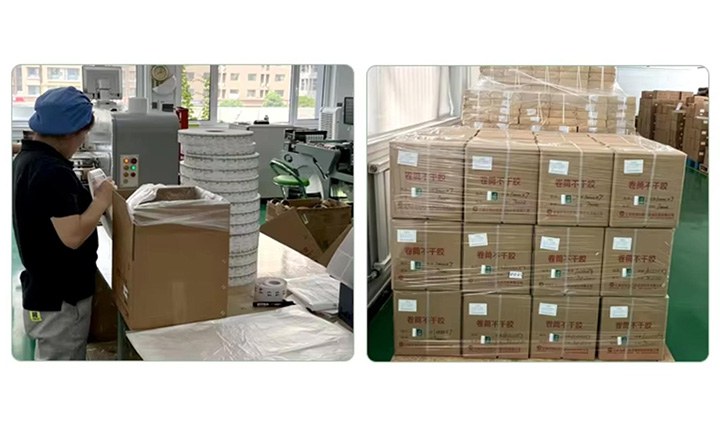
Check for compatibility with automated application. If you use automated labeling equipment, ensure the labels are compatible with your specific equipment. Labels must be precisely cut and fan-folded or rolled for smooth application.
Essential Oil Labels Size Guide
Choosing the right size for your essential oil labels is essential for both visual impact and practical application.
Standard essential oil bottles typically range from 5ml to 30ml in size, with corresponding label requirements. For 10ml to 15ml bottles, front labels commonly measure between 1.5 inches by 2 inches and 2 inches by 2.5 inches. The size should be proportional to the bottle, creating a balanced appearance while providing sufficient space for required information.
For 5ml bottles, front labels may measure 1 inch by 1.5 inches to 1.5 inches by 2 inches. These small labels must be carefully designed to ensure all required information is legible. Font sizes may need to be reduced, but must remain readable.
For larger 30ml to 50ml bottles, labels may measure 2 inches by 3 inches to 2.5 inches by 3.5 inches. These larger bottles allow for more detailed designs and information. The size should be appropriate for the bottle's available surface area.
Back labels for essential oil bottles are often smaller than front labels, typically measuring 1 inch by 1.5 inches to 1.5 inches by 2 inches. These labels provide space for additional information such as batch numbers, expiration dates, or usage instructions.
When determining label size, consider the required information. Essential oil labels must include product name, botanical name, usage instructions, safety warnings, and often therapeutic information. The label must be large enough for this information to be legible. Consider whether a front label and back label combination is needed.
How to Customize Essential Oil Labels
Customization of essential oil labels allows producers to create packaging that reflects their unique brand identity and product quality.
The customization process with a supplier like Custom Panda begins with sharing your artwork or design concept. You don't need to be a professional designer; simply provide your logo, text requirements, and any specific design ideas or inspiration. Their expert team will help refine your concept into a production-ready label design.
Free digital proof is provided within 12 hours, showing exactly how your labels will look. This proof includes material representation, color accuracy, size, shape, and overall design. Review the proof carefully, checking all information, colors, and design elements before approval. This step minimizes risk and ensures the final product meets your expectations.
Material selection is a key customization decision. Choose from oil-resistant synthetic films such as polypropylene, polyester, or vinyl. Each material offers different properties in terms of durability, appearance, and cost. Your choice should reflect your product's requirements and brand positioning.
Finish selection significantly impacts label appearance. Choose from matte, gloss, or textured finishes based on your brand aesthetic. Matte finishes create sophisticated, understated labels that align with natural branding. Gloss finishes add vibrancy, while textured finishes add tactile appeal.
Design elements should reflect your brand and essential oil's character. Consider using natural imagery such as botanical illustrations, subtle leaf patterns, or minimalist geometric designs. Calming color palettes such as greens, blues, and earth tones communicate natural, therapeutic quality.
Printing options include full-color digital printing for complex artwork, as well as spot colors for brand-specific colors. Advanced printing technologies ensure accurate color reproduction and sharp details. Consider whether special effects such as metallic accents or foil stamping are appropriate for your brand.
Regulatory information must be included correctly. Ensure all required information such as product name, botanical name, warnings, and usage instructions are included. Working with an experienced label supplier can help ensure compliance with natural health product regulations.
Supplier of Essential Oil Labels
Custom Panda has established itself as a premier supplier of custom essential oil labels, offering the perfect combination of quality, flexibility, and service.
Their specialization in custom labels for natural health products gives them deep expertise in materials, adhesives, and printing technologies. They apply this expertise to every essential oil label they produce, ensuring labels stay clear and secure on dark glass bottles, even with prolonged oil contact. Their oil-resistant synthetic materials and waterproof properties provide the functional durability essential oil labels require.
The no minimum order policy is particularly valuable for essential oil producers, where production volumes can vary widely. Small artisanal producers with limited releases, and even larger producers testing new products, can order exactly the quantity needed without excess inventory. This flexibility supports producer innovation and experimentation.
Free design assistance and free digital proofs ensure your labels will look professional and reflect your brand identity. The proof process identifies potential issues before production, saving time and preventing costly mistakes. With expert guidance, even producers without in-house design capabilities can create exceptional labels.
Fast production in just 2 to 3 days and global delivery in 5 to 7 days enables producers to respond quickly to market opportunities. New releases, seasonal offerings, and special events can be labeled with minimal lead time. This speed supports dynamic producer operations.
Competitive pricing through factory-direct manufacturing makes high-quality custom labels affordable for producers of all sizes. Custom Panda eliminates the middleman, passing savings on to customers. This accessibility allows essential oil producers to invest in premium labels that enhance their brand.
By choosing a supplier like Custom Panda, essential oil producers ensure their labels are not just packaging but powerful brand-building tools that help their products stand out and succeed. In conclusion, essential oil labels are essential components of natural health product packaging, combining chemical resistance with natural aesthetics to create effective and appealing product presentations.