





What are Organic Tea Certification Labels?
Organic tea certification labels are a specialized and highly significant category of adhesive labels used to communicate that a tea product has been certified as organic by a recognized certification body. These labels are more than just marketing tools; they are a guarantee of quality, integrity, and adherence to strict agricultural standards. They serve as a trusted symbol for consumers who prioritize natural, chemical-free products and are willing to pay a premium for them. These labels are a bridge of trust between the producer and the consumer, conveying that the tea has been grown and processed without the use of synthetic pesticides, herbicides, or fertilizers.
The demand for certified organic tea has grown significantly as consumers have become more health-conscious and environmentally aware. The label is the primary visual cue that signals these values. It often features the logo of a reputable certification body, such as USDA Organic, EU Organic, or JAS (Japanese Agricultural Standard). The design is typically clean, clear, and often uses earthy tones and natural motifs to reinforce the organic message. At Custom Panda, we understand the importance of these labels and are dedicated to helping brands create certification labels that are both legally compliant and highly appealing.
Types of Organic Tea Certification Labels
Organic tea certification labels can be categorized based on the certification body, the label's format, and the specific claims it makes. One primary type is the certification body logo label. This is the most common and essential type. It prominently displays the official logo of the certifying organization, such as the USDA Organic seal or the EU Organic leaf. The presence of this logo is the definitive proof of certification and is often the only visual element a consumer needs to verify the product's organic status. This label is often used in conjunction with a brand's own label.
Another type is the comprehensive certification label. This label displays the certification body logo and also includes a certification number, the name of the certifying agency, and sometimes the percentage of organic ingredients. This type provides a higher level of transparency and assurance for the consumer. It is often used on the back or side of the packaging, where more detailed information can be included. It builds a deeper level of trust.
A third type is the complementary claim label. This type is used in addition to the main certification label. It may include claims like "Made with Organic Ingredients," "Non-GMO Verified," or "Fair Trade Certified." These labels highlight specific aspects of the product's ethical or sustainable profile. They are used to appeal to consumers with specific values. This type allows brands to communicate their multi-faceted commitment to sustainability.
Features of Organic Tea Certification Labels
The defining feature of organic tea certification labels is the official certifying body logo. This logo is a visual shorthand that instantly communicates the product's organic status. It is a globally recognized symbol of trust and integrity. Its presence or absence is a key factor in a consumer's purchasing decision. This logo is the most powerful feature of the label.
Another key feature is the use of natural and clean design aesthetics. The design is often characterized by the use of earthy colors like green, brown, and cream, and the use of simple, clear typography. The visual language is one of purity and natural simplicity. This reinforces the organic message and appeals to the target audience. The design itself reflects the product's values.
Organic tea certification labels are also characterized by their legal compliance. The label must meet the specific requirements of the certifying body regarding the size, placement, and wording of the logo. This is a strict legal requirement. Failure to comply can result in fines or the loss of certification. A professional supplier is essential to ensure full compliance.
Functions of Organic Tea Certification Labels
The primary function of an organic tea certification label is to provide instant assurance of organic authenticity to the consumer. This builds trust and confidence in the product. It allows the consumer to make a quick and informed choice, especially when comparing multiple products. The label removes the need to read lengthy ingredient lists or trust unverified claims.
They also serve a crucial function in differentiating the product in the marketplace. In a crowded tea aisle, the organic label helps the product stand out. It signals to consumers that it is a premium, healthy, and ethically produced choice. This differentiation can command a higher price point and build brand loyalty. It is a key competitive advantage.
Furthermore, organic tea certification labels function as a tool for educating the consumer. The presence of the label opens a conversation about the benefits of organic farming, including environmental sustainability and personal health. It encourages consumers to think about the origins of their food. This education can lead to long-term brand loyalty and a more committed consumer base.
Top 3 Organic Tea Certification Labels in the Year 2026
Based on current trends, the top three types of organic tea certification labels in 2026 are QR code traceability labels, minimalist certification labels, and premium eco-print labels. QR code traceability labels are a top choice for brands seeking to build ultimate transparency. These labels include the standard certification logo and a QR code. Scanning the QR code provides a full traceability report, showing the tea's journey from farm to cup. This creates an unprecedented level of trust.
Minimalist certification labels are a top choice for contemporary brands. This style uses a clean, simple design, often featuring just the certification logo on a high-quality, uncoated paper. The design is elegant and understated, relying on the power of the logo itself. This appeals to a modern audience that values authenticity and transparency over marketing hype.
Premium eco-print labels are a top choice for brands committed to sustainability. These labels are printed using water-based inks on recycled or FSC-certified papers. The design often incorporates natural elements and a focus on the certification logo. This type aligns perfectly with the organic philosophy, demonstrating a holistic commitment to the environment. It resonates with the most environmentally conscious consumers.
How to Select Organic Tea Certification Labels
Selecting the right certification label requires careful attention to legal compliance and aesthetic appeal. The first and most important factor is ensuring the label meets the specific requirements of the certifying body. This includes the correct size, placement, and wording of the certification logo. This is a legal requirement and must be adhered to.
The second factor is the overall brand aesthetic. The label should complement the brand's overall design and packaging. The use of colors and materials should be consistent with the brand's identity. A cohesive design reinforces the brand's message and values.
The third factor is the sustainability of the label itself. Many organic tea brands are committed to overall sustainability, including their packaging. Choosing a label made from recycled materials and printed with eco-friendly inks aligns with this commitment. This is an important consideration for the brand's overall values.
Organic Tea Certification Labels Size Guide
The size of an organic tea certification label is determined by the packaging and the certifying body's requirements. Some certifiers have specific size requirements for their logo. The label must be large enough to be clearly visible and legible. The specific dimensions are determined by the packaging and the certification requirements.
How to Customize Organic Tea Certification Labels
Customizing these labels requires a careful balance of compliance and design. The first step is to ensure the artwork includes the certification logo and all required information. Next, the specific material and finish are selected. A digital proof is created for final review and approval. Once approved, the labels are printed.
Supplier of Organic Tea Certification Labels
An ideal supplier for organic tea certification labels must have a thorough understanding of certification requirements. They should offer a range of sustainable materials and be able to guide customers on compliance.
Custom Panda: Your Partner in Custom Labels
Custom Panda is a premier manufacturer and a trusted partner for high-quality custom label solutions. As a factory-direct supplier, we offer premium products at competitive, cost-effective prices, saving you up to 30% on your orders. Our commitment to exceptional quality, speed, and customer service has made us the preferred choice for businesses of all sizes.
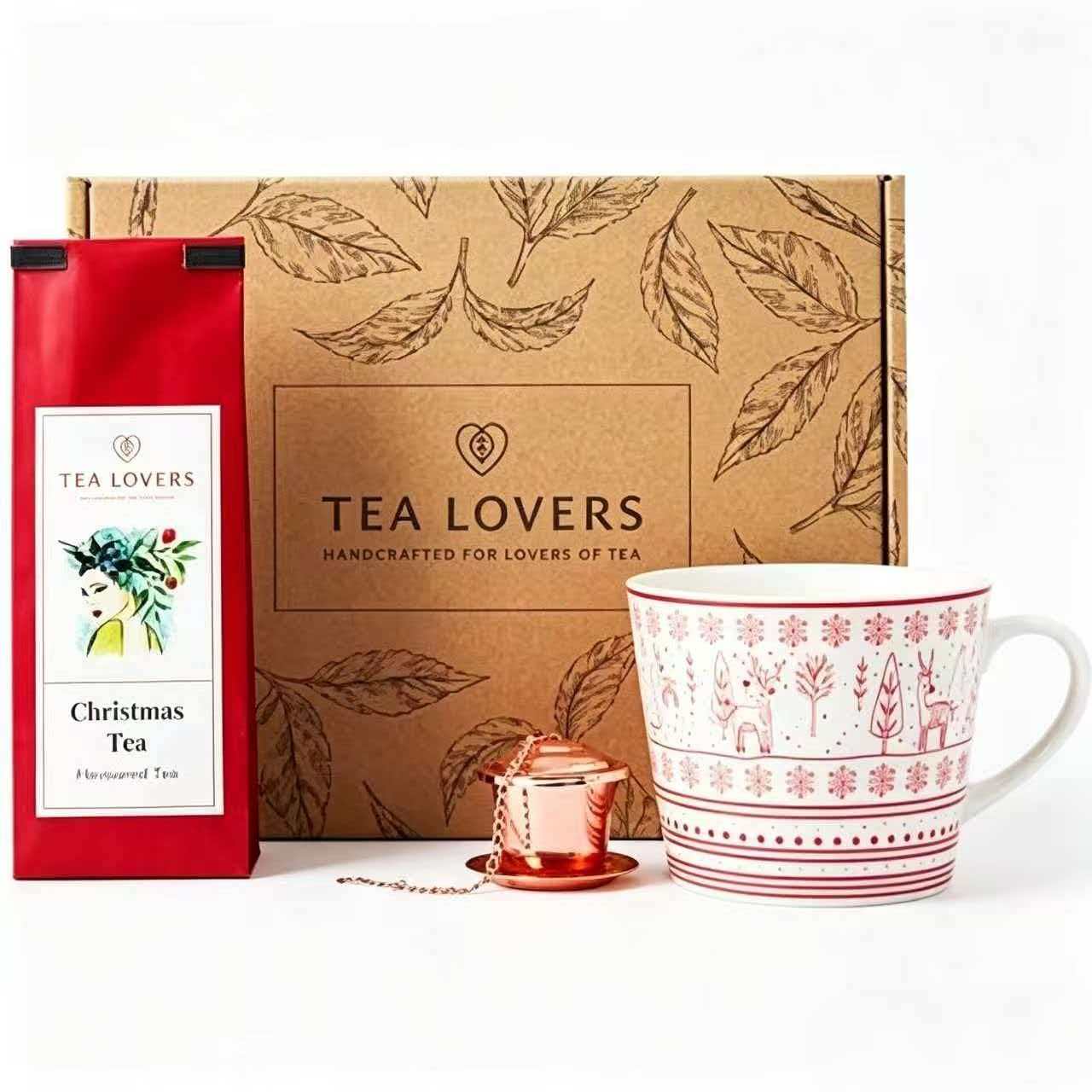
We specialize in a comprehensive range of custom labels, including organic tea certification labels, tea gift box labels, and loose leaf tea labels. Our streamlined process is designed for your convenience and satisfaction. We offer free design assistance to help perfect your artwork, and we provide a free digital proof within 12 hours of receiving your design, ensuring you are completely satisfied before we start production.
Our production phase is exceptionally fast, with most orders completed in just 2 to 3 days. We then dispatch your labels with free worldwide shipping, ensuring delivery within 5 to 7 business days. We understand that projects come in all sizes, which is why we have no minimum order quantity. Whether you need a small batch for a new product or a large order for a major retailer, Custom Panda has the expertise and capacity to deliver outstanding, professional-grade organic tea certification labels. Choose Custom Panda for labels that build trust and reflect your commitment to quality.