

What are Microwave-Safe Food Labels?
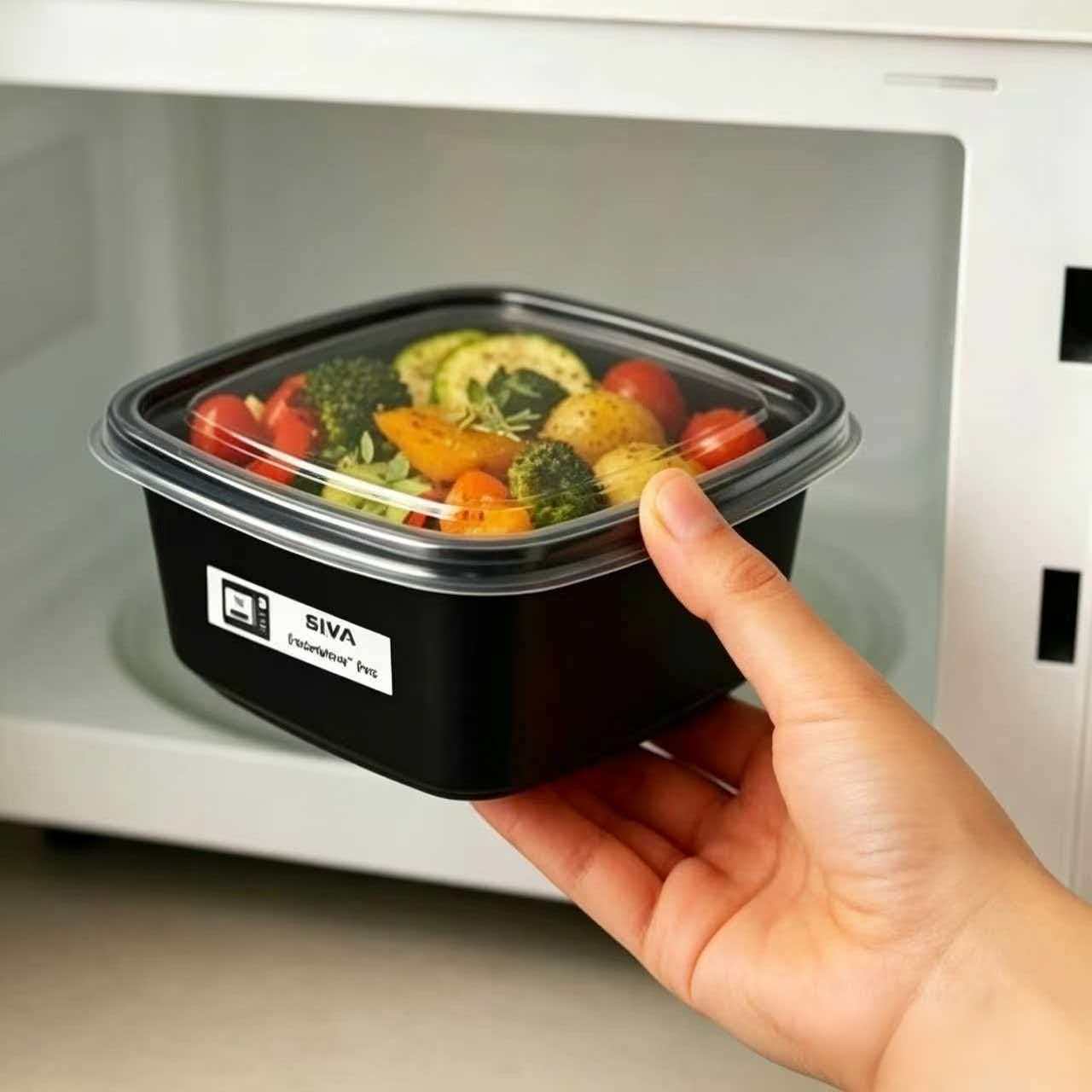
Microwave-safe food labels are a specialized category of adhesive labels engineered to withstand the intense heat and energy of microwave cooking. Unlike standard labels that can melt, warp, discolor, or release harmful chemicals when exposed to microwaves, these labels are constructed from heat-resistant materials and use food-contact-safe adhesives. They are designed to remain stable, intact, and compliant with food safety regulations throughout the heating process. Their primary purpose is to provide clear, durable identification for food products that are intended to be reheated or cooked in a microwave oven.
The microwave environment is uniquely challenging for labels. The electromagnetic radiation heats the food and the surrounding packaging from the inside out, often generating steam and high temperatures. A label that is not microwave-safe can become a safety hazard or a quality issue. It might peel off and contaminate the food, release toxic substances, or simply look unsightly. Microwave-safe labels are meticulously engineered to avoid all of these problems, ensuring the consumer's microwave experience is safe and the brand's reputation remains intact.
Types of Microwave-Safe Food Labels
Microwave-safe food labels come in several types, each designed for different microwave intensities, cooking durations, and packaging materials. One primary type is the paper-based microwave label. These are made from specially treated, heat-resistant papers that can withstand the temperatures generated during microwave reheating. They are often coated with a protective varnish to resist moisture and grease. These are a common and cost-effective choice for many microwaveable products, including frozen dinners and microwave popcorn.
Another type is the film-based microwave label, typically made from polyester (PET) or polypropylene (PP). These synthetic materials have a much higher heat resistance and are far more durable than paper. They are less likely to absorb moisture from steam, which prevents them from becoming soggy or delaminating. Film labels are also more resistant to oils and grease, making them the preferred choice for products like microwaveable pizzas or oily ethnic foods. They offer superior performance for longer cooking times.
A third, more specialized type is the microwave susceptor label. This is a sophisticated label that contains a thin layer of metallized material. It is designed to interact with the microwave's energy, heating up to brown or crisp the food. These are commonly found on microwave popcorn bags and frozen pizza packaging. The label material is carefully engineered to reach specific temperatures without burning or melting, enabling a specific cooking function.
Features of Microwave-Safe Food Labels
The most critical feature of these labels is their resistance to heat and microwave energy. They are manufactured from materials that are specifically chosen for their high glass transition temperatures and thermal stability. They will not melt, warp, or soften when exposed to the heat of a microwave. This ensures the label remains flat, in place, and legible for the duration of the cooking process, maintaining a professional appearance and clear communication.
A second, equally important feature is their compliance with food contact safety regulations. These labels are made with inks, coatings, and adhesives that are certified as safe for use in food packaging. They are formulated not to migrate harmful chemicals or contaminants into the food when heated. This is a non-negotiable requirement and is rigorously tested by the manufacturer. A label that is not safe for food contact can pose a serious health risk and is a major legal liability.
Another vital feature is their ability to resist moisture and steam. When food is heated in a microwave, steam is generated. Standard paper labels can absorb this moisture, becoming soft, wrinkled, and unattractive. Microwave-safe labels use materials and coatings that are resistant to moisture absorption, maintaining their structural integrity and adhesive bond. This ensures the label stays on, even after the product has been heated.
Functions of Microwave-Safe Food Labels
The primary function is to provide a clear, legible, and safe product identification throughout the microwave cooking process. A consumer who purchases a microwaveable meal relies on the label for essential information, including heating instructions, cooking times, and product warnings. If the label becomes illegible due to heat or steam, the consumer cannot properly prepare the food. The label's primary function is to remain clear and readable so the meal can be enjoyed correctly.
They also serve a critical function in providing and reinforcing safe usage instructions. The label typically contains specific, legally required heating instructions, such as "remove film before heating," "let stand for 1 minute after cooking," or "do not microwave in this container." These instructions are crucial for consumer safety and preventing accidents. The durability of the label ensures this information remains visible throughout the product's shelf life and during the cooking process.
Furthermore, microwave-safe labels function as a key element of brand integrity and quality assurance. A label that blisters, discolors, or falls off during heating gives the consumer a negative impression of the brand, suggesting that the product is of low quality. Conversely, a label that remains pristine through the microwave process reinforces a positive brand image and builds consumer trust in the product's quality and safety.
Top 3 Microwave-Safe Food Labels in the Year 2026
Based on current trends and market demands, the top three types of microwave-safe food labels in 2026 are premium heat-resistant film labels, eco-friendly microwave labels, and dual-purpose conventional/microwave labels. Premium heat-resistant film labels are the gold standard for the frozen meal industry. Made from ultra-durable, high-heat polyester films, they offer the best protection against heat, steam, and grease. They can withstand prolonged and intense microwave cooking without showing any signs of wear, making them the top choice for premium and restaurant-quality microwaveable products.
Eco-friendly microwave labels are a rapidly growing category driven by sustainability goals. These labels are made from bio-based or recycled materials that are both microwave-safe and have a lower environmental impact. They meet the same rigorous performance standards for heat and food safety but use more sustainable raw materials. They are a top choice for brands targeting environmentally conscious consumers.
Dual-purpose conventional/microwave labels are a convenient category for products that could be heated in either an oven or a microwave. They are designed to withstand both high heat and microwave radiation. They offer flexibility for the consumer and simplify the packaging process for the manufacturer. They are a popular choice for products like pastries, sandwiches, and other convenience foods.
How to Select Microwave-Safe Food Labels
Selecting the right microwave-safe label requires careful consideration of the product and its intended use. The first factor to consider is the expected cooking temperature and duration. A product that requires a simple, quick reheat of a few seconds will have different requirements than one that needs to cook for several minutes at full power. The label must be able to withstand the specific thermal conditions it will face. The supplier should provide heat resistance data for their labels.
The second factor is the packaging material. Is the label going to be applied to a plastic tray, a paperboard box, or a flexible pouch? The adhesive must be compatible with the packaging material and able to withstand the heat without losing its bond. A label that works perfectly on a paperboard sleeve may not adhere as well to a polypropylene tray.
Finally, consider the food's composition. Foods with high fat or sugar content can get very hot and may melt or damage a lower-quality label. For oily or sugary products, a more durable film label is necessary. It's also important to ensure all components of the label, including the inks and adhesives, are certified as food-safe. Testing a small batch of labels in a microwave is the most reliable way to confirm performance.
Microwave-Safe Food Labels Size Guide
The size of a microwave-safe label is determined by the amount of information required and the available space on the packaging. For small microwaveable containers, like single-serve soup cups or meal trays, labels from 2 inches to 4 inches are common. These labels must be big enough to display cooking instructions, ingredients, and nutritional facts.
For larger packaging, such as a family-sized frozen lasagna box or a bag of microwaveable rice, larger labels are used. These are often designed to cover a significant portion of the front panel for maximum brand visibility, while also including a clear cooking instruction panel. The label size must be proportionate to the package.
How to Customize Microwave-Safe Food Labels
Customizing microwave-safe labels is a process that requires careful planning to ensure safety and performance. The first step is to create the artwork, which must include all legally required food labeling information in a clear, legible format. The design must also be appealing to the target consumer, as the visual appeal of the packaging is critical to the purchase decision.
Next, the specific material is selected. The supplier will recommend the best material based on the product's heating requirements. A paper or film stock is chosen, and the adhesive type is specified. The surface finish can also be customized—a matte finish may be chosen for a premium look, while a gloss finish can make colors pop.
Finally, after a digital proof is reviewed and approved, the labels are printed and shipped. The proof is critical for verifying the design and all the text. The manufacturer's expertise is essential to guide the customer through this process, ensuring the label is both beautiful and safe for microwave use.
Supplier of Microwave-Safe Food Labels
An ideal supplier for microwave-safe labels must have deep expertise in materials that are both heat-resistant and safe for food contact. They should be able to provide clear certifications and test data to prove their labels' safety and performance. They should also provide excellent customer support and flexible order quantities.
Custom Panda: Your Partner in Custom Labels
Custom Panda is a premier manufacturer and a trusted partner for high-quality custom label solutions. As a factory-direct supplier, we offer premium products at competitive, cost-effective prices, saving you up to 30% on your orders. Our commitment to exceptional quality, speed, and customer service has made us the preferred choice for businesses of all sizes, from small meal delivery services to global food brands.
We specialize in a comprehensive range of custom labels, including microwave-safe food labels, freezer-grade labels, and wash-off jar labels. Our streamlined process is designed for your convenience and satisfaction. We offer free design assistance to help perfect your artwork, and we provide a free digital proof within 12 hours of receiving your design, ensuring you are completely satisfied before we start production.
Our production phase is exceptionally fast, with most orders completed in just 2 to 3 days. We then dispatch your labels with free worldwide shipping, ensuring delivery within 5 to 7 business days. We understand that projects come in all sizes, which is why we have no minimum order quantity. Whether you need a small batch for a new product launch or a large order for a major retailer, Custom Panda has the expertise and capacity to deliver outstanding, professional-grade microwave-safe food labels. Choose Custom Panda for labels you can trust from the microwave to the table.