What Are QR Code Labels?
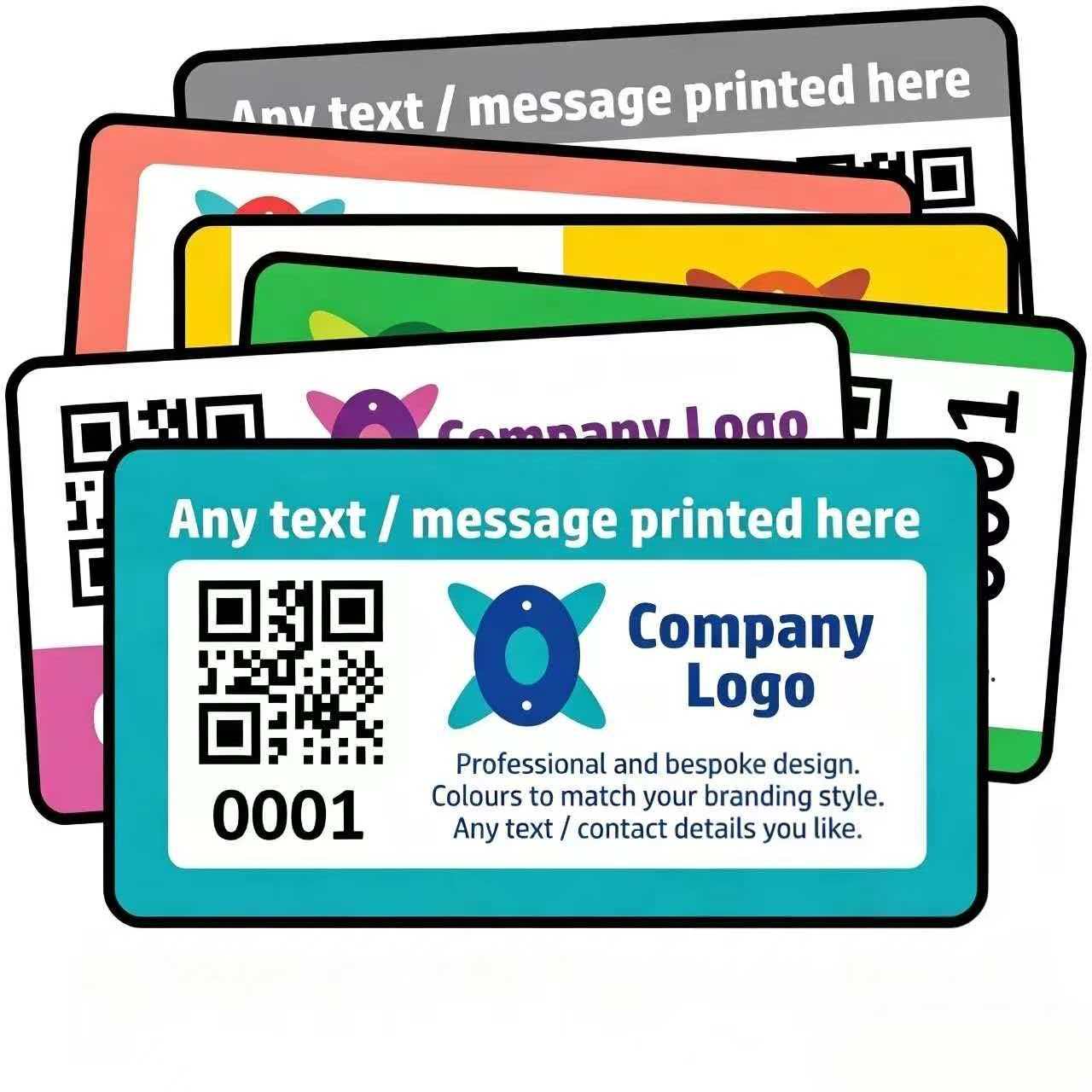
QR Code labels are specialized self-adhesive identifiers featuring Quick Response (QR) codes that, when scanned with a smartphone camera, automatically direct users to digital content such as websites, product detail pages, promotional campaigns, event registration forms, or electronic menus. These labels combine the functionality of a traditional label with the interactive capability of a digital gateway, bridging the physical and digital worlds to create seamless consumer experiences. Unlike static labels that only convey printed information, QR Code labels enable dynamic, interactive engagement, allowing brands to deliver rich multimedia content, track user interactions, and update destination links without changing the physical label. The labels are produced using high-resolution printing techniques to ensure the QR code pattern remains sharp, precise, and scannable across various smartphone cameras and lighting conditions. The adhesive systems are formulated to bond reliably to a wide range of surfaces, including paper, plastic, glass, metal, and wood, making QR Code labels versatile for applications across retail packaging, restaurant tables, event materials, and product displays.
Types of QR Code Labels
QR Code labels can be categorized by QR code type, printing method, material characteristics, and functional enhancements. By QR code type, static QR codes are fixed and contain the destination URL directly encoded within the code pattern. Once printed, the destination cannot be changed, making them suitable for permanent links such as brand homepages or core product pages. Dynamic QR codes encode a short redirect link that points to a configurable URL managed through a dashboard, allowing brands to change the destination content without reprinting labels, making them ideal for campaign-specific promotions, seasonal offers, and A/B testing. By printing method, high-resolution digital printing is the most common for QR Code labels, ensuring crisp edges and precise module spacing essential for scannability, with the ability to customize each label with unique codes for serialized applications. Thermal transfer printing provides durability for industrial and logistics applications, with smudge-proof, scratch-resistant QR codes that withstand harsh environments. By material characteristics, paper labels are economical for indoor, short-term applications such as event stickers and retail shelf tags. Synthetic film labels made from PP or PET provide moisture resistance, durability, and UV stability for outdoor and long-term applications including product packaging and restaurant menus. Tamper-evident materials include void-effect adhesives that show visible evidence of label removal, important for security and authentication applications. By functional enhancements, NFC-enabled QR Code labels combine QR code visual scanning with tap-to-connect NFC functionality, enabling faster interaction for NFC-compatible smartphones. Colorful customized QR Code labels incorporate brand colors or logos within the QR code design while maintaining scannability, enhancing brand visibility and aesthetic integration.
Features of QR Code Labels
The core features of modern QR Code labels ensure reliable scannability, durability, and seamless integration with digital experiences. The high-resolution printing technology delivers crisp, well-defined QR code patterns with precise module spacing, correct contrast ratios, and adequate quiet zones (the blank margin surrounding the code), all of which are essential for reliable scanning across diverse smartphone cameras, scanning apps, and lighting conditions including low light and glare. The printing precision also ensures that even high-density QR codes with complex data remain scannable at standard label sizes. The adhesive systems are selected for compatibility with various substrates including paper, cardboard, glass, plastic, metal, and wood, providing secure attachment across different surfaces and environments. For removable applications, specialized adhesives enable clean peeling without residue. The material durability options address different usage environments: standard paper labels for indoor, short-term use; synthetic film labels for moisture-resistant, durable applications; and UV-stable materials for outdoor and high-light conditions. The customization flexibility allows for QR codes in various sizes, colors, and designs, including incorporating brand logos, colors, and decorative elements within the QR code while maintaining scannability, ensuring consistent brand presentation across touchpoints. In 2026, enhanced functionality features are increasingly important, including dynamic QR codes for content flexibility, scanning analytics for user behavior tracking, and integration with marketing automation platforms for campaign measurement and optimization.
Functions of QR Code Labels
QR Code labels perform multiple essential functions that bridge physical products and packaging with digital brand experiences, operational efficiency, and consumer engagement. Their primary function is digital content delivery, enabling consumers to instantly access websites, product detail pages, promotional videos, user manuals, recipe ideas, brand stories, and other digital content with a simple smartphone scan, creating immediate access to rich, interactive information. Their second function is marketing and promotional campaign activation, driving consumers to specific campaign landing pages, sweepstakes entries, coupon downloads, seasonal offers, and exclusive content, enabling brands to launch timely promotions without changing physical packaging or printed materials. Their third function is consumer engagement and loyalty building, connecting users to loyalty program registration, product registration for warranty, feedback surveys, user reviews, social media pages, and community forums, enhancing the consumer-brand relationship and building long-term loyalty. Their fourth function is product authentication and security, with each QR code containing unique serial numbers or cryptographic signatures that enable consumers to verify product authenticity, helping combat counterfeiting and protecting brand integrity, particularly for luxury, pharmaceutical, and high-value products. Their fifth function is operational efficiency and information access, enabling instant access to electronic menus in restaurants, price checking and product information in retail stores, event registration and check-in, instructional videos for product setup, and equipment manuals, improving operational efficiency and reducing staff training and information distribution costs. Their sixth function is data collection and analytics, enabling brands to track scan counts, user locations, device types, and interaction patterns when dynamic QR codes with analytics are used, providing valuable insights into consumer behavior, campaign effectiveness, and content engagement.
Top QR Code Labels in 2026
Several innovative QR Code label solutions have achieved market leadership across different applications in 2026. Avery Dennison's high-resolution digital print labels with dynamic QR code compatibility are the premier choice for product packaging and retail applications, offering excellent print clarity, versatile adhesive options, and integration with leading QR code management platforms. UPM Raflatac's sustainable QR Code label materials, available in paper and film options with FSC-certified and bio-based content, are widely adopted for brands requiring environmental responsibility combined with high-quality code printing. 3M's durable QR Code labels with aggressive adhesives provide the performance required for demanding environments including outdoor displays, industrial equipment, and high-traffic areas, with resistance to moisture, UV, abrasion, and temperature extremes. CCL Industries' smart label solutions with integrated QR and NFC technologies are used extensively for consumer engagement, authentication, and supply chain applications, providing comprehensive smart packaging solutions. The growing category of customizable QR Code labels with brand-integrated designs, including those using color and logo incorporation while maintaining scannability, represents the 2026 innovation trend toward visually appealing, brand-consistent QR code integration. These leaders demonstrate continuous advancement in printing technology, material science, and digital integration that defines the QR Code labeling market.
How to Select QR Code Labels
Selecting the appropriate QR Code label requires careful consideration of functionality requirements, usage environment, and integration needs. The first dimension is QR code type and destination: determine whether static or dynamic QR codes are needed based on whether the destination content will remain constant or require future updates. Dynamic codes provide flexibility for campaigns, promotions, and content changes without relabeling. Consider whether analytics tracking is required for measuring scan performance and user behavior. The second dimension is label size and complexity: ensure the QR code is sufficiently large to be scanned easily at the intended distance, with a minimum size typically of 15mm × 15mm for standard consumer scanning, and preferably 20mm × 20mm or larger for optimal scannability. Consider the amount of data encoded, as more complex codes require larger sizes for reliable scanning. The third dimension is surface and environment: evaluate the material and surface characteristics where the label will be applied, including paper, glass, plastic, metal, wood, or curved surfaces, and select materials and adhesives engineered for those substrates. Consider exposure to moisture, UV, abrasion, and temperature extremes, and select appropriate label materials for the environment. The fourth dimension is printing quality and method: ensure the label supplier uses high-resolution printing (typically 600 dpi or higher) with sufficient contrast (minimum 4:1 contrast ratio between dark and light modules) and proper quiet zone (minimum 4 modules or 2mm) to ensure reliable scanning. Thermal transfer printing provides durability for harsh environments, while digital printing offers flexibility for small batches and unique code serialization. The fifth dimension is design integration: determine whether the QR code should be incorporated into the label design with brand colors, logos, or decorative elements, and ensure the design modifications maintain scannability by preserving sufficient contrast and module clarity. The sixth dimension is sustainability requirements: evaluate your company's environmental targets and consider options such as recycled paper labels, bio-based film materials, and adhesive systems designed for recycling compatibility.
QR Code Labels Size Guide
QR Code label sizes are determined primarily by the scanning distance, amount of data encoded, and available surface area. For standard consumer scanning, the minimum recommended QR code size is 15mm × 15mm, though 20mm × 20mm to 30mm × 30mm is preferred for optimal scannability across various smartphone models and lighting conditions. For retail shelf tags and product packaging where scanning is typically at close range (10cm to 30cm), sizes of 15mm × 15mm to 20mm × 20mm are often sufficient, assuming good print quality and contrast. For promotional displays, posters, and event materials where scanning may occur from 30cm to 100cm or more, larger QR codes of 30mm × 30mm to 50mm × 50mm or larger are recommended to enable reliable scanning from greater distances. For restaurant table tent cards and electronic menus, QR codes of 20mm × 20mm to 30mm × 30mm are common, depending on the available space on the table card and the distance from seated users. For product packaging with limited space, QR codes may be reduced to a minimum of 10mm × 10mm in some applications, provided the printing quality is exceptionally high and the code contains minimal data. As a general sizing guideline across all applications, ensure the QR code is at least 4 times larger than the minimum scanning resolution of typical smartphone cameras (approximately 4mm per module) to ensure reliable scanning. Consider the amount of data: larger data capacity versions (such as Version 10 QR codes with up to 174 data modules) will require more physical space than lower versions with less data, with each version increment typically increasing code size by approximately 15% to 20%.
How to Customize QR Code Labels
Customizing QR Code labels follows a comprehensive process that ensures both scannability and brand consistency. The initial step is define the QR code type and destination: determine whether a static or dynamic QR code is required, and create or configure the destination content, whether a website URL, campaign landing page, electronic menu, or other digital destination. For dynamic codes, set up the redirect link through a QR code management platform. The second step is QR code generation: use a reliable QR code generation tool that supports the required QR code version, error correction level (typically M or H for product applications), and output format (vector files such as SVG or EPS for high-quality printing). Include the required quiet zone (blank margin) around the code. The third step is label and code design: develop the label design incorporating the QR code, brand elements, and any additional text or graphics as required. For branded QR codes, incorporate colors and logos while maintaining scannability through careful contrast and module clarity management. Provide artwork in appropriate formats (AI, PDF, CDR) with correct bleed and safety margins. The fourth step is material and adhesive selection: work with your supplier to choose the optimal face material and adhesive combination based on your application surface, environment, and required durability, considering factors such as moisture resistance, UV stability, and removability requirements. The fifth step is prototype production: request sample labels for evaluation of print quality, code scannability across different smartphones and scanning apps, and adhesion on your actual application surface. Test dynamic codes to confirm correct redirect functionality. The sixth step is tooling and production: for die-cut shapes, fabricate the necessary tooling; for high-resolution printing, prepare print files and plates. For serialized or unique QR codes, ensure appropriate variable printing capabilities are in place. The seventh step is quality assurance and final verification: establish inspection criteria covering print accuracy, code scannability, and adhesive performance, with testing to confirm all codes scan reliably to the correct destination before shipping.
Supplier of QR Code Labels
The global QR Code label supply chain features specialized material manufacturers, printing specialists, and integrated smart packaging solution providers. Avery Dennison is the leading supplier of self-adhesive materials for QR Code labels, with comprehensive paper and film options and advanced adhesive technologies that ensure reliable bonding across diverse surfaces and environments. UPM Raflatac provides sustainable QR Code label materials with FSC-certified, bio-based, and recycled content options, supporting brands' environmental commitments while delivering high-resolution print performance. 3M offers durable QR Code label materials with aggressive adhesives for demanding applications requiring moisture, UV, and abrasion resistance. CCL Industries provides integrated smart label solutions combining QR codes with NFC, RFID, and other technologies for comprehensive digital engagement and authentication. Custom Panda is your comprehensive partner for QR Code labeling solutions, offering end-to-end services from QR code generation and design consultation through precision printing and global delivery. Our expertise in high-resolution printing, adhesive engineering, and digital integration ensures your QR Code labels deliver reliable scannability, brand consistency, and seamless digital experiences.
About Custom Panda
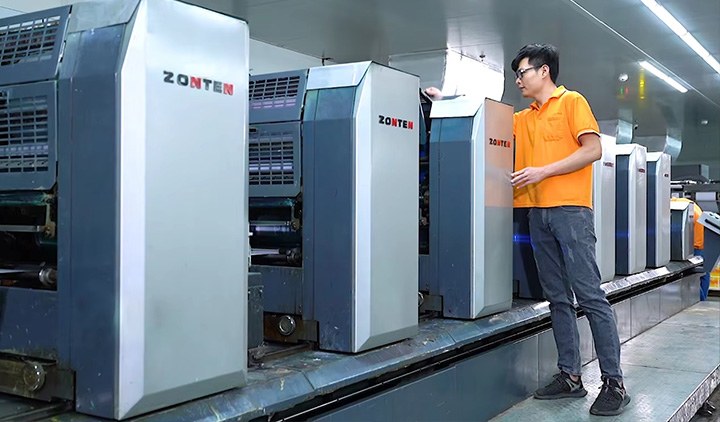
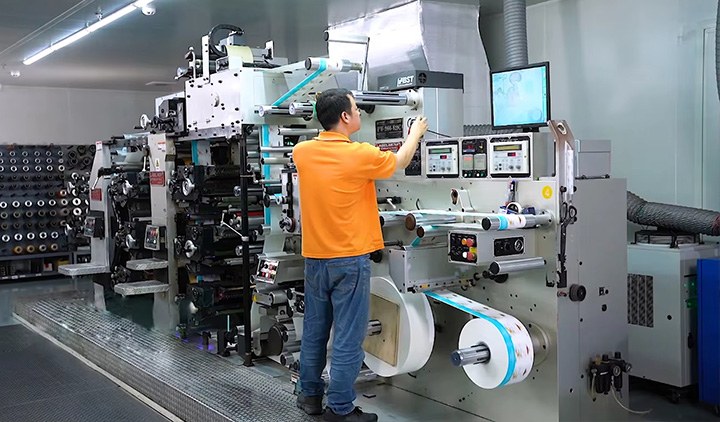
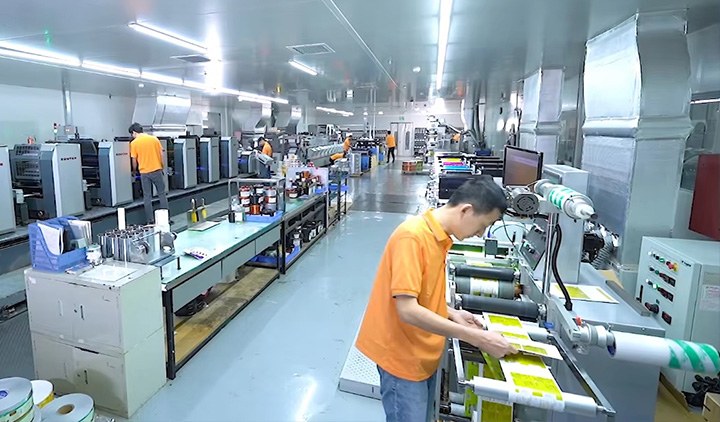
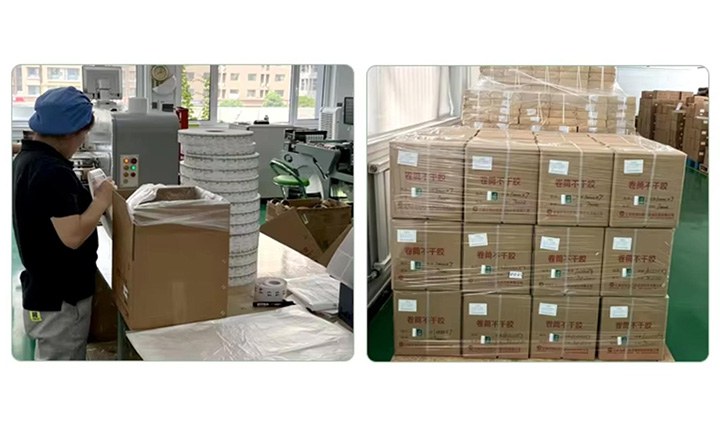
Custom Panda is a leading provider of QR Code labeling solutions with specialized expertise in packaging, retail, restaurant, and event applications. Our advanced manufacturing capabilities include high-resolution digital and flexo printing, precision die-cutting, variable data printing for serialized QR codes, and automated quality inspection systems, enabling us to deliver consistent quality and reliable performance for customers ranging from small businesses to global enterprises. Our technical team offers comprehensive consultation on QR code generation, dynamic code management, design integration, material selection, adhesive engineering, and sustainability guidance, ensuring your QR Code labels meet the highest standards of print quality, scannability, and brand consistency. We provide rapid prototyping with digital proofing available in as little as 12 hours, accelerated production with typical lead times of 2 to 3 days after approval, and reliable global shipping through trusted logistics partners. Our proprietary adhesive formulations address common labeling challenges including adhesion to various surfaces, clean removability when required, and performance through temperature and humidity variations. We believe every QR Code label is an opportunity to create meaningful digital connections and enhance consumer experiences, and we bring decades of industry experience, continuous innovation, and dedicated customer service to every project. Contact Custom Panda today to discuss your QR Code labeling requirements and experience the difference of true end-to-end service and technical excellence.