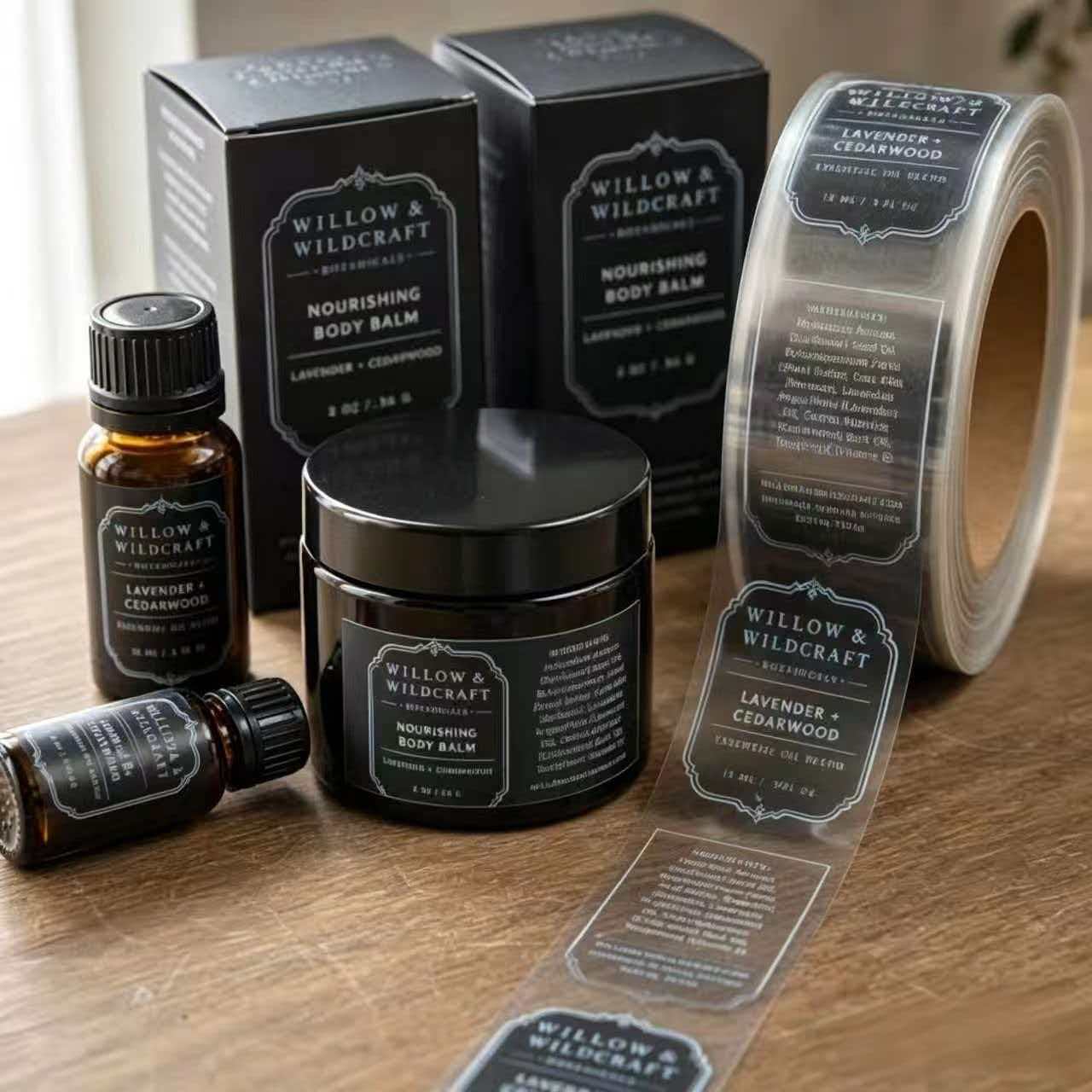
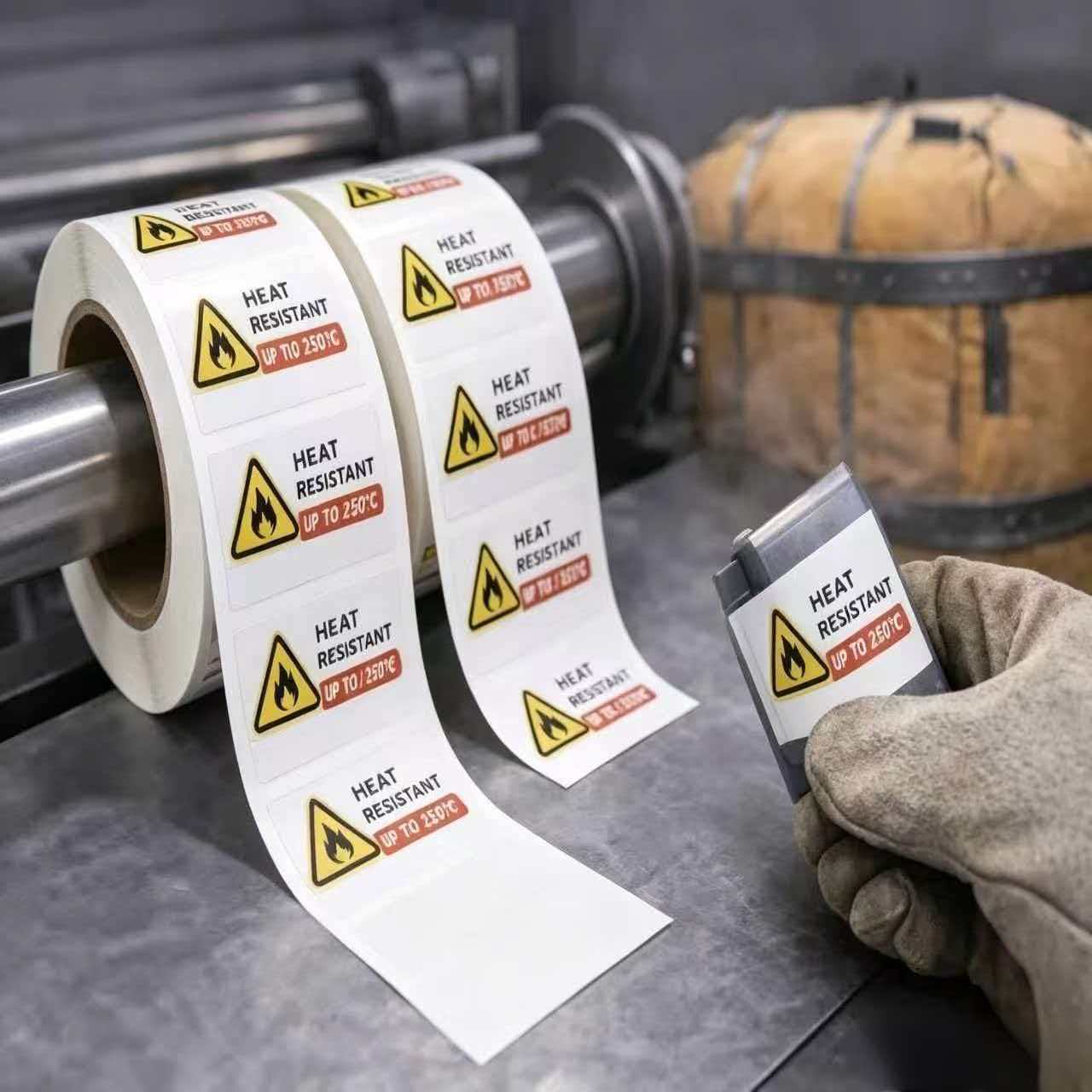


What are High-Temperature Resistant PET Labels?
High-temperature resistant PET labels are a specialized category of polyester labels engineered to maintain their integrity, adhesion, and print legibility when exposed to extreme heat. Unlike standard paper or even common film labels that can warp, discolor, or lose their adhesive bond at elevated temperatures, these labels are manufactured from specially formulated polyethylene terephthalate (PET) films. This material is inherently stable and can withstand continuous exposure to temperatures ranging from 150°C to 260°C (300°F to 500°F), depending on the specific grade and adhesive system used.
The key to their performance lies in the combination of the PET substrate and a specialized heat-resistant adhesive. The polyester film has a high melting point and excellent dimensional stability, meaning it will not shrink, stretch, or become brittle under high heat. The adhesive is formulated to maintain its bonding strength even at elevated temperatures, preventing the label from curling, blistering, or falling off. These labels are the go-to solution for industries where heat is an inescapable part of the environment or manufacturing process, providing reliable identification where other labels would simply fail.
Types of High-Temperature Resistant PET Labels
These labels can be categorized based on their specific temperature threshold, adhesive type, and intended application environment. One primary type is the standard high-temperature PET label, designed for continuous exposure up to 150°C. This type is commonly used in electronics manufacturing for wave soldering processes, on automotive components under the hood, and on industrial ovens. It uses a silicone-based or modified acrylic adhesive that remains stable at these temperatures, offering a reliable and cost-effective solution for a wide range of common high-heat applications.
Another category is the ultra-high-temperature PET label, engineered to withstand temperatures up to 260°C or even higher for short periods. These labels use a specially formulated, high-performance silicone adhesive that maintains its bond at extreme temperatures. They are essential for applications like powder coating, where parts are baked at high temperatures, and for identifying components in jet engines or high-performance automotive exhaust systems. The material is often thicker and more robust to withstand the physical stress of extreme thermal cycling.
A third type is the chemical-resistant high-temperature PET label. This label is designed not only for high heat but also for environments with exposure to harsh solvents, oils, and flux residues. It is a critical component in the PCB (Printed Circuit Board) assembly process, where labels must survive the cleaning chemicals used after soldering. The material and adhesive are formulated to resist these aggressive chemicals while maintaining their integrity through thermal stress. This type is essential for aerospace, defense, and medical device manufacturing.
Features of High-Temperature Resistant PET Labels
The primary feature is their exceptional thermal stability. The PET film is engineered to have a high glass transition temperature and melting point. This means the label will not soften, deform, or melt when exposed to the intense heat of an oven or the sustained warmth of an engine block. This dimensional stability ensures that barcodes and other critical information remain scannable and legible, which is vital for traceability.
Another crucial feature is their non-flammable and self-extinguishing properties. PET is inherently flame-retardant, making these labels a safer choice for use in high-risk environments. In the event of a fire or extreme heat spike, the label will not contribute to the spread of flames. This is an important safety feature for applications in transportation, electrical enclosures, and industrial equipment.
These labels also offer high resistance to chemicals and abrasion. The film surface is durable and resists scratching, ensuring that printed information remains readable after handling and exposure to oils, solvents, and cleaning agents. This durability is combined with a permanent, high-performance adhesive that is specifically formulated to resist "adhesive ooze" at high temperatures—a common failure point where the adhesive becomes runny and loses its grip. The adhesive is also designed to create a strong bond on a variety of substrates, including metals and plastics.
Functions of High-Temperature Resistant PET Labels
The primary function is to enable traceability and identification throughout the entire manufacturing and product lifecycle. In electronics assembly, these labels are applied to PCBs before they go through the soldering process. They must survive the intense heat of the reflow oven, remaining in place and readable so that the board can be tracked, tested, and identified throughout its production. If the label failed, the entire batch of boards could be lost or misidentified.
They serve a critical role in automotive and aerospace manufacturing for component identification. Under the hood, temperatures can become extreme, and engine oils and other fluids are present. A high-temperature PET label is used to identify parts, provide safety warnings, and carry barcodes for inventory. In these environments, a label that fails is not just an inconvenience; it can lead to misidentified parts, improper servicing, or safety hazards.
Beyond manufacturing, these labels function as permanent identification for equipment that is regularly cleaned or sterilized at high temperatures. In the food and medical industries, equipment and instruments must be repeatedly subjected to high-heat wash cycles or autoclaving for sterilization. These labels must survive these cycles without fading or peeling, ensuring that equipment is correctly identified and traced, which is critical for maintaining safety and regulatory compliance.
Top 3 High-Temperature Resistant PET Labels in the Year 2026
Based on current technological advances and industrial demands, the top three types in 2026 are ultra-thin reflow-compatible labels, heavy-duty powder-coating labels, and sustainable high-temperature labels. Ultra-thin reflow-compatible labels are the leading choice for the miniaturization trend in consumer electronics. With components becoming smaller and more densely packed, the label must be extremely thin (often under 25 microns) to fit in tight spaces. These labels are designed to withstand the thermal shock of lead-free soldering processes while maintaining excellent adhesion on tiny circuit boards. Their flexibility allows them to conform to uneven surfaces.
Heavy-duty powder-coating labels are the top choice for the automotive and industrial finishing sectors. Powder coating is a process where a dry powder is applied to a part, which is then baked in a high-temperature oven to cure. These labels are applied before the process and must survive the high curing temperatures, yet still be readable and remain adhered to the finished part. The demand for these labels is growing as the automotive industry increases its use of powder coating for a more durable finish.
Sustainable high-temperature labels represent a new but rapidly growing category. Traditionally, these labels have a high environmental footprint due to their synthetic materials and aggressive adhesives. However, new bio-based PET materials and more easily recyclable adhesive systems are being developed. These labels offer the same high-temperature performance but with a reduced environmental impact, appealing to large manufacturers aiming to meet strict ESG (Environmental, Social, and Governance) targets.
How to Select High-Temperature Resistant PET Labels
Selecting the right high-temperature label requires a detailed understanding of the specific thermal and chemical environment. The first factor is the temperature duration: is the label exposed to heat for a short spike or for a continuous, long period? A label that can survive a 260°C spike for a few seconds may fail if exposed to 150°C for several hours. Matching the label's continuous and peak temperature ratings to the application's exact conditions is essential.
The second consideration is the nature of the surface to which the label will be applied. Different metals and plastics have different surface energies, which affect how well the adhesive bonds. A high-temperature adhesive that works well on a smooth aluminum surface may not bond effectively on a low-surface-energy plastic or a powder-coated metal. It is vital to select a label with an adhesive specifically designed to create a strong, durable bond on the intended substrate.
Finally, consider the other environmental factors beyond heat. Will the label be exposed to chemicals, oils, or solvents? If so, a chemical-resistant type is necessary. Will the label be handled roughly or need to survive a wash-down process? Then abrasion resistance and water resistance are also important. The most successful selection is made by identifying the full range of stresses the label will face and choosing a product that is over-engineered to handle the worst-case scenario. Testing a sample under actual conditions is always the best practice.
High-Temperature Resistant PET Labels Size Guide
The size of the label is determined by the application and the amount of information required. For applications on miniature electronic components like resistors, capacitors, or small PCBs, a label of 0.2 inch to 0.5 inch is common. These extremely small labels often just carry a tiny barcode or a sequential serial number, printed with high precision. Despite their small size, they must still be easily read by automated scanning equipment.
Medium-sized labels, typically 0.5 inch to 1.5 inches, are the most common and versatile. This size is ideal for standard PCBs, automotive sensors, and a range of mechanical components. They are large enough to carry a brand logo, a part number, and a standard-sized barcode, making them versatile for many tracking and inventory applications. This size provides a good balance between legibility and space constraint.
For larger applications such as industrial machinery, large engine components, or equipment panels, labels from 2 inches to over 4 inches are used. These may carry significant information like a product nameplate, detailed safety warnings, or complex compliance certifications. For these larger labels, a thicker, more durable PET film is often specified to ensure the label remains intact and readable for many years.
How to Customize High-Temperature Resistant PET Labels
Customization for high-temperature PET labels is a precise process, where the choice of material, adhesive, and printing method is critical. The first step is to define the artwork, which must be designed with the understanding that it will be exposed to high heat. Colors should be chosen carefully, as some pigments are not stable at high temperatures and may fade or change color. Using the correct, heat-stable inks is essential for ensuring the label remains readable.
Next is selecting the materials. The customer specifies the temperature range, surface type, and chemical exposure. Based on this, the manufacturer chooses the appropriate PET film and the specific adhesive formulation. Customers can also choose the aesthetic finish, such as a matte finish to reduce glare or a gloss finish for a shiny, professional appearance. A clear PET film can be chosen for a "no-label" look on a product.
Finally, the shape and size are customized. Standard shapes like rectangles and circles are the most common, but custom die-cutting is available for unique shapes. After the design and specifications are finalized, a digital proof is created for the customer's approval. This proof shows the exact layout, colors, and design. Only after the customer approves the proof will production begin, ensuring the final product perfectly matches their expectations.
Supplier of High-Temperature Resistant PET Labels
An ideal supplier for high-temperature PET labels must have extensive expertise in material science, precision printing, and adhesive technology. They should be able to provide clear data sheets on temperature resistance and adhesive bonding strengths. The supplier should also offer excellent customer support, free design assistance, and flexible order quantities to meet the needs of any project.
Custom Panda: Your Partner in Custom Labels
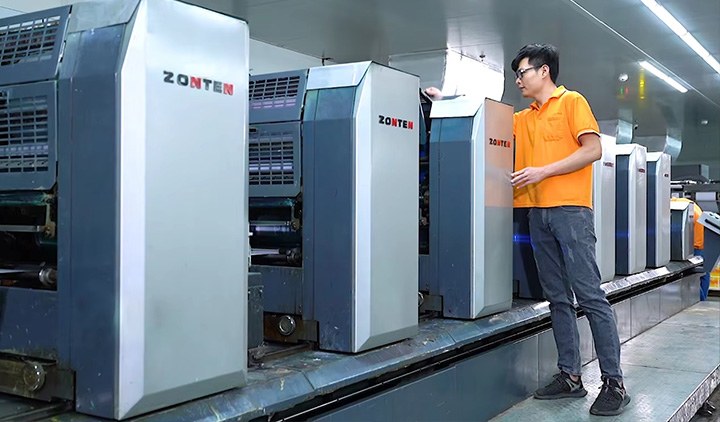
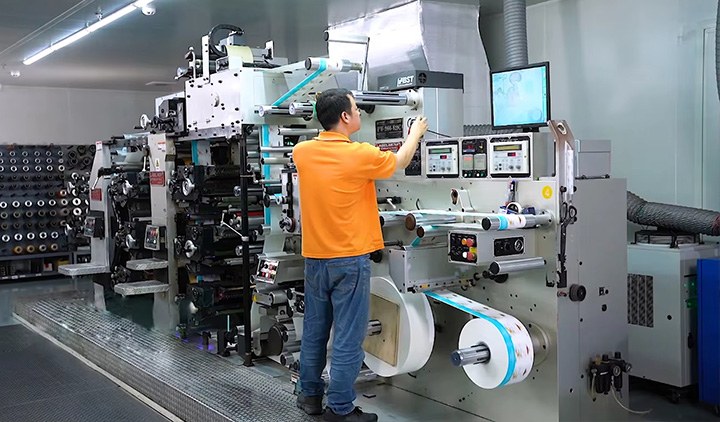
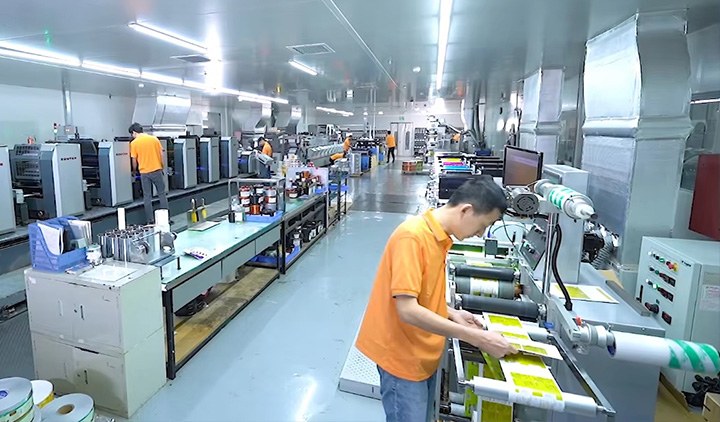
Custom Panda is a premier manufacturer and a trusted partner for high-quality custom label solutions. As a factory-direct supplier, we offer premium products at competitive, cost-effective prices, saving you up to 30% on your orders. Our commitment to exceptional quality, speed, and customer service has made us the preferred choice for businesses of all sizes, from local farms to international distributors.
We specialize in a comprehensive range of custom labels, including high-temperature PET labels, permanent labels, removable labels, and microporous options. Our streamlined process is designed for your convenience and satisfaction. We offer free design assistance to help perfect your artwork, and we provide a free digital proof within 12 hours of receiving your design, ensuring you are completely satisfied before we start production.
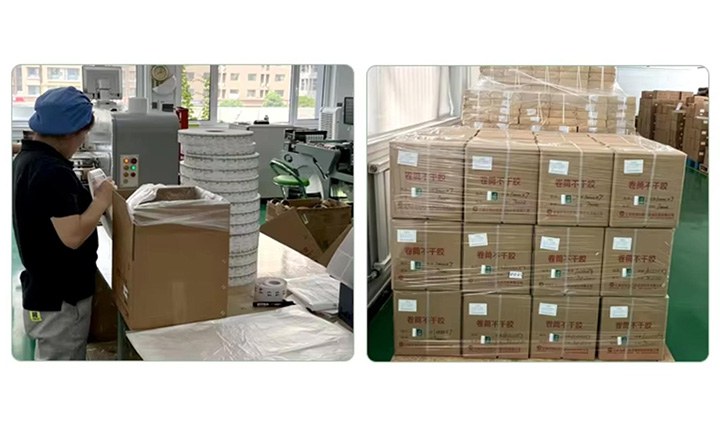
Our production phase is exceptionally fast, with most orders completed in just 2 to 3 days. We then dispatch your labels with free worldwide shipping, ensuring delivery within 5 to 7 business days. We understand that projects come in all sizes, which is why we have no minimum order quantity. Whether you need a small test batch for a new circuit board design or a large order for a major automotive production line, Custom Panda has the expertise and capacity to deliver outstanding, professional-grade high-temperature resistant PET labels. Choose Custom Panda to ensure your products are identified, tracked, and protected through the most demanding heat processes.