

What Are Kraft Hang Labels?
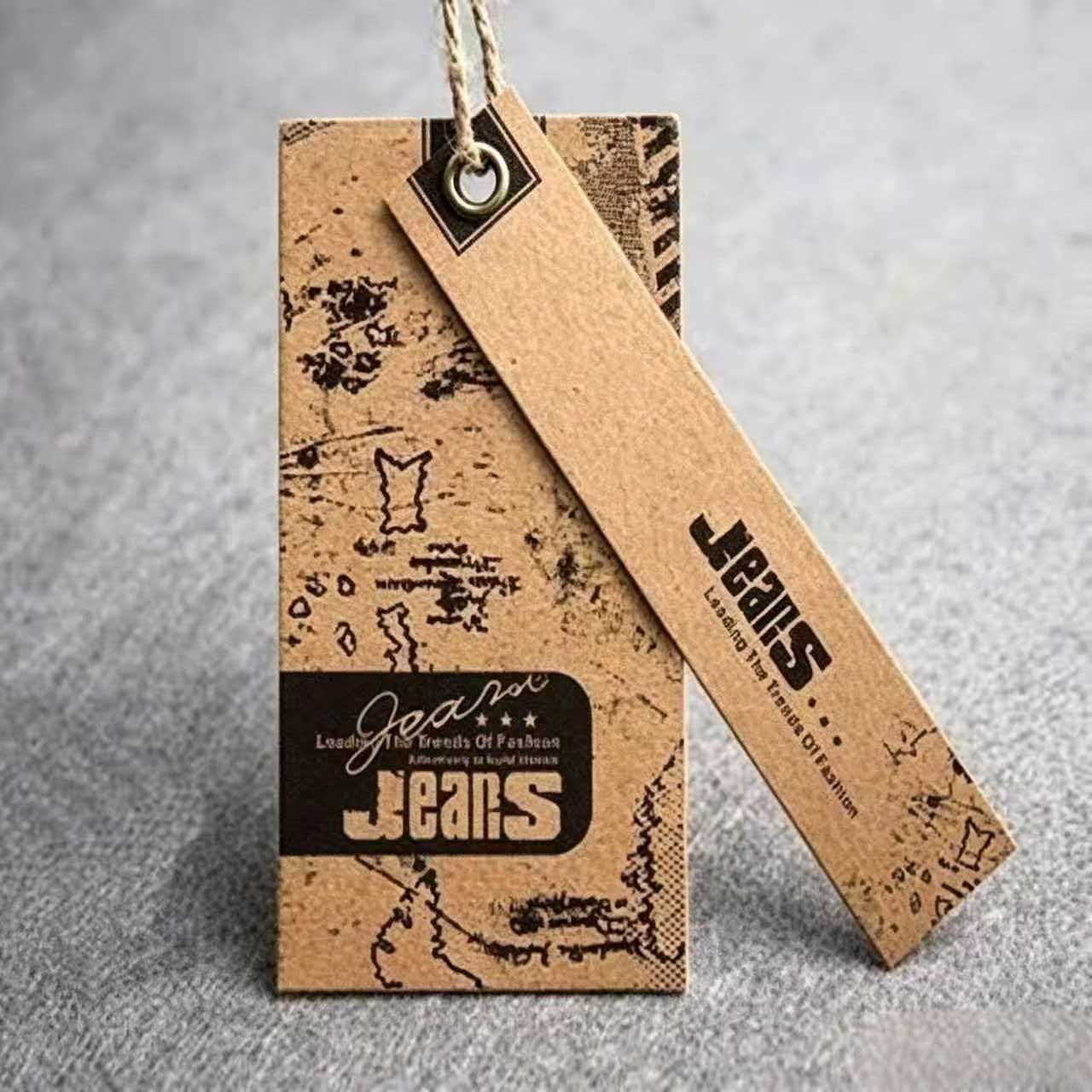
Kraft Hang Labels are small, uncoated paper tags made from recycled or virgin kraft pulp, typically attached to products using natural cotton twine, jute string, or hemp rope. Unlike adhesive stickers that adhere permanently to surfaces, these labels hang freely from the product neck, handle, or packaging loop, offering flexibility and reusability. Their defining characteristic is the raw, unfinished surface that absorbs ink, stamp pigment, and pencil marks exceptionally well, making them the preferred choice for hand-written batch numbers, flavor notes, or personalized messages. These labels are not mass-produced in glossy, automated factories. Instead, they are crafted from sustainable fibers with minimal bleaching, preserving the natural brown or tan color that signals authenticity. In the artisan economy, a Kraft Hang Label is often the first tactile touchpoint between the maker and the buyer—it tells a story of soil, harvest, and human hands before the jar is even opened. Their simplicity belies their power: they do not shout; they whisper craftsmanship.
Types of Kraft Hang Labels
Based on shape, attachment method, and finish, Kraft Hang Labels fall into several distinct types. The Classic Rectangle Tag is the most versatile and stackable option, typically sized at 50×80 mm or 60×100 mm with a single punched hole for twine. For brands seeking visual distinction, Die-Cut Shape Tags are custom-cut into leaf, apple, hexagon, or teardrop silhouettes—leaf shapes, for example, work beautifully for herbal tea lines, while apple contours suit cider producers. Two-Hole Fold-Over Tags are folded cards that wrap around a jar neck like a collar, often used for premium olive oils and balsamic vinegars to convey a sense of abundance. Rounded-Corner Tags feature soft, safe edges that prevent snagging, making them popular for children's products or delicate knitted gifts. Extra-Large Belly Bands are wide tags up to 120 mm that wrap around the middle of a product box, doubling as a decorative sleeve that holds the box together while showcasing branding. Finally, Mini Charm Tags are tiny 25×40 mm secondary tags hung from the main label to indicate "Limited Edition," batch numbers, or flavor variants. Many artisans mix two or more types within the same product family to create layered storytelling—a primary tag for brand identity and a charm tag for batch-specific details.
Features of Kraft Hang Labels
The popularity of Kraft Hang Labels stems from a unique set of physical and functional features. First and foremost is their superior ink absorption. The uncoated, porous surface grabs pigment from rubber stamps, fountain pens, and gel inks instantly, with no smudging and minimal drying time, making them perfect for on-demand handwriting at farmers' markets. Despite their lightweight feel, kraft fibers possess a tear-resistant structure. Long fibers interlock to resist accidental tearing during shipping or customer handling, with a 300 gsm tag able to withstand up to 5 kilograms of pull force along the grain direction. They also offer impressive eco-credential transparency. Most premium options carry FSC-certification or 100% post-consumer waste claims, biodegrading within 12 to 18 months in soil without leaving microplastic residue. Temperature and moisture stability is another advantage. Kraft fibers naturally buffer humidity changes, so they won't curl in a damp cellar or become brittle in a dry workshop, operating reliably between -10°C and 60°C. Finally, despite the matte and natural base, these labels are highly customizable. Suppliers can apply partial varnish, foil stamping, or blind embossing to specific areas without compromising the overall handmade aesthetic, giving artisans the best of both worlds: rustic charm with premium accents.
Functions of Kraft Hang Labels
Kraft Hang Labels serve a range of practical functions beyond mere decoration. Product identification is the most basic role. They clearly display product name, weight, and ingredients without needing complex printing setups. Batch traceability is equally important. Artisans can handwrite lot numbers or "Made on" dates directly on the tag, enabling small-batch recalls or freshness tracking without reprinting entire inventories. In retail settings, the blank reverse side often functions as a temporary price ticket, easily overwritten for seasonal discounts or special promotions—a flexibility that printed stickers cannot offer. Beyond logistics, these labels shine as storytelling mediums. A short handwritten note like "Picked at dawn from our family orchard" creates an emotional connection that no machine-printed label can replicate. They also enhance gift-ready presentation. The natural twine bow elevates even a simple jar into a presentable gift, removing the need for additional wrapping paper or ribbons. On the compliance side, many regions require "Net Weight" or "Best Before" dates to be visible without opening the package, and a hanging tag fulfills this requirement at a glance while maintaining aesthetic integrity. In essence, each tag performs double duty: operational tool and brand ambassador.
Top Kraft Hang Label Designs in the Year 2026
Trend forecasts from artisan packaging expos such as Frankfurt Ambiente 2026 and NY Now Summer 2026 reveal five dominant styles shaping the market this year. Two-Tone Ombre Dip-Dye Tags lead the trend, featuring a kraft base with the bottom third dipped in plant-based indigo or beetroot dye, creating a gradient that matches the product's color palette—blueberry jam gets a purple dip, while rose syrup receives a soft pink fade. Seed-Infused Hang Tags are gaining rapid traction among zero-waste brands. These tags incorporate wildflower seeds into the paper pulp, so after the product is consumed, customers can plant the label and watch it bloom, effectively turning packaging into a "second gift." Blind-Embossed Minimalist Tags represent the ultra-premium end of the spectrum. No ink, no print, only a debossed maker's mark pressed into the paper, commanding higher price points in boutique shops through sheer tactile elegance. Hand-Stenciled Numbered Editions emphasize exclusivity. Each tag receives a hand-painted serial number using stencil brushes, reinforcing the small-batch, limited-run narrative that discerning customers crave. Finally, Kombucha-Dyed Marbled Tags use fermented tea scoby liquid as a natural mordant, resulting in unique organic marbling on every tag. No two are identical, making them perfect for limited collections where individuality is the selling point itself.
How to Select the Right Kraft Hang Labels
Selecting the appropriate label requires answering five practical questions tailored to your specific product and workflow. First, consider your product's weight and size. Heavy items like 750 ml wine bottles demand a minimum 300 gsm, 60×100 mm tag for structural integrity, while lightweight sachets of dried lavender only need 250 gsm at 40×60 mm. Second, evaluate handling conditions. If the label will be touched by wet or oily hands, request a natural wax coating or carnauba wax dip to add water resistance while maintaining the kraft look. Third, think about your writing method. Rubber stamping performs best on smooth, finely-pressed kraft with less surface texture, whereas fountain pen or brush lettering requires a lightly textured surface that slows ink flow for controlled calligraphy. Fourth, examine your attachment method. Twine ties need a single 4 to 5 mm hole, while wire or split rings require a reinforced eyelet to prevent tearing under tension. Fifth and finally, calculate your order volume. Below 500 pieces, standard shapes with no custom die-cutting are most cost-effective. Between 500 and 5,000 pieces, custom die-cutting becomes financially viable. Above 5,000 pieces, consider pre-printed offset to reduce hand-writing labor significantly. By systematically working through these questions, artisans can avoid costly mistakes and select labels that perfectly match both their product and their production rhythm.
Kraft Hang Labels Size Guide
A comprehensive sizing reference helps artisans match labels to their specific product categories with confidence. For lip balms and mini tins, a 30×50 mm label at 250 gsm with a 3 mm hole is ideal. Honey jars of 4 to 8 ounces work well with 45×70 mm at 280 gsm and a 4 mm hole. Jams and preserves in 8 to 12 ounce sizes require 55×85 mm at 300 gsm with a 5 mm hole to accommodate heavier glass jars. Wine and olive oil bottles at 750 ml demand 60×100 mm at 300 gsm with a reinforced 5 mm hole to prevent tearing from the bottle's weight. Gift boxes and candle sets benefit from an 80×120 mm label at 320 gsm with a 6 mm hole for a substantial, premium feel. Produce bundles like fresh herbs are best served by 35×65 mm at 250 gsm with a 3 mm hole suitable for twine ties around stems. As a practical tip, always order 10 percent extra tags in your smallest size. These become "sampler tags" for new product trials or seasonal specials without requiring a separate reorder, saving both time and money.
How to Customize Kraft Hang Labels
Customization goes far beyond simply printing a logo. It is a creative process that transforms a plain tag into a brand asset. The first step is choosing your base material: recycled kraft in classic brown, natural white kraft bleached without chlorine, or colored kraft dyed with food-grade pigments for a distinctive look. Next, select your die-cut shape by uploading a vector file with your desired contour, noting that custom die-cutting typically requires a minimum order of 1,000 pieces. The third decision revolves around printing method. Offset lithography delivers full-color logos and fine details for runs above 2,000 pieces. Flexographic printing is cost-effective for one to two colors in large volumes. Letterpress creates debossed, tactile lettering perfect for luxury goods with a minimum of 500 pieces. Digital print requires no plate fees, making it ideal for runs under 500 pieces. Beyond printing, consider embellishments such as foil stamping in gold, copper, or silver for premium accents; blind embossing or debossing for subtle texture; corner rounding for a softer feel; pre-scoring for folding; and pre-cut twine in your brand's custom-dyed cotton cord color. The final and most critical step is requesting a physical sample. Never approve digital proofs alone. Ask for 10 to 20 physical tags attached to your actual product jar to test weight balance, twine tension, and writing surface behavior under real-world conditions. This sample phase catches issues that no screen can reveal, ensuring your final order meets every expectation.
Supplier of Kraft Hang Labels
When evaluating suppliers for Kraft Hang Labels, prioritize those with three core competencies. First, they should have in-house material sourcing, meaning they control the kraft pulp quality rather than simply converting pre-made paper from unknown origins. Second, they need flexible minimum order quantities. Look for suppliers offering 100-piece trial runs before committing to bulk purchases, allowing you to test quality without financial risk. Third, they must provide sustainability documentation such as FSC, PEFC, or Recycled Claim Standard certificates upon request, verifying that your labels truly align with your eco-friendly brand promise. Additional capabilities worth inquiring about include combined twine and string sourcing so you do not have to source cords separately, custom branding on the reverse side for care instructions or secondary messaging, and warehousing with just-in-time delivery for seasonal product launches. A reliable supplier will also provide a detailed spec sheet covering thickness tolerance, tear strength in both machine and cross directions, pH level for archival safety, and ink dry time recommendations for specific ink types. Asking for these documents upfront separates professional suppliers from casual traders and ensures a long-term partnership built on transparency and quality.
About Our Company
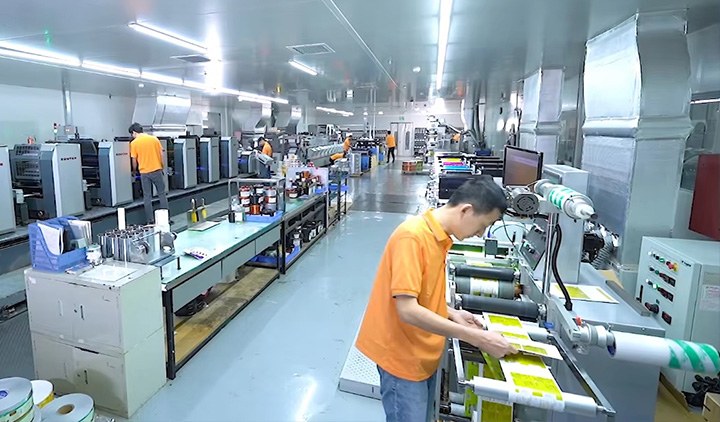
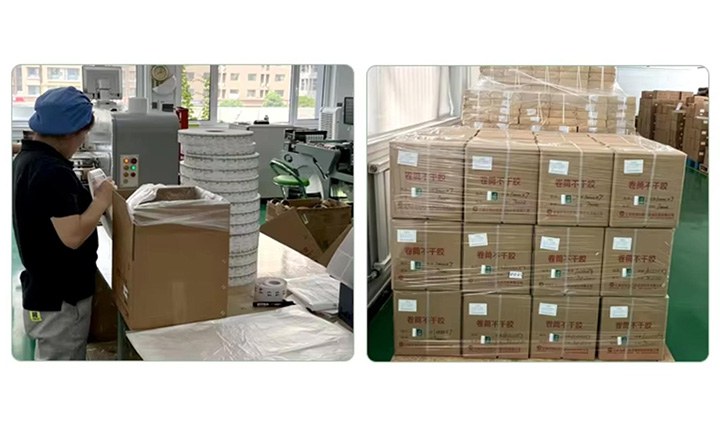
We are a family-owned, artisan-focused packaging supplier established in 2012, specializing exclusively in handmade paper tags and natural fiber attachments for small-batch producers across North America and Europe. Our facility operates with 100 percent renewable solar energy, and every Kraft Hang Label we produce is tracked from forest source to finished tag, ensuring complete supply chain visibility. What sets us apart is our no-minimum-run fee policy. We welcome orders as small as 50 pieces, which is ideal for test batches and seasonal micro-collections that larger suppliers often reject. Our in-house design team helps you translate your brand story into die-cut shapes, stamp layouts, and foil placements, with all design support included in the sample fee. We also offer a rapid sampling program that delivers 15 physical samples within five business days, shipped with a twine color card and hole-position tester to accelerate your decision-making. All orders above 300 dollars qualify for free carbon-offset delivery via DHL GoGreen, reflecting our commitment to sustainability beyond the product itself. We understand that a Kraft Hang Label is not packaging. It is a handshake between you and your customer. We do not mass-produce; we collaborate. Every order, whether 100 or 10,000 tags, receives the same dedicated attention because we know that behind every tag is an artisan who poured days, months, or years into the product it adorns. We exist to honor that effort, one tag at a time.