

What are Lager Beer Labels?
Lager Beer Labels are specialized adhesive labels designed specifically for the unique packaging and branding needs of lager-style beers. Unlike labels for other beer styles, lager labels typically reflect the clean, crisp, and refreshing character of the beer itself. They are engineered to maintain their appearance and adhesion despite prolonged exposure to ice water, condensation, and cold storage conditions common in lager service and retail display.
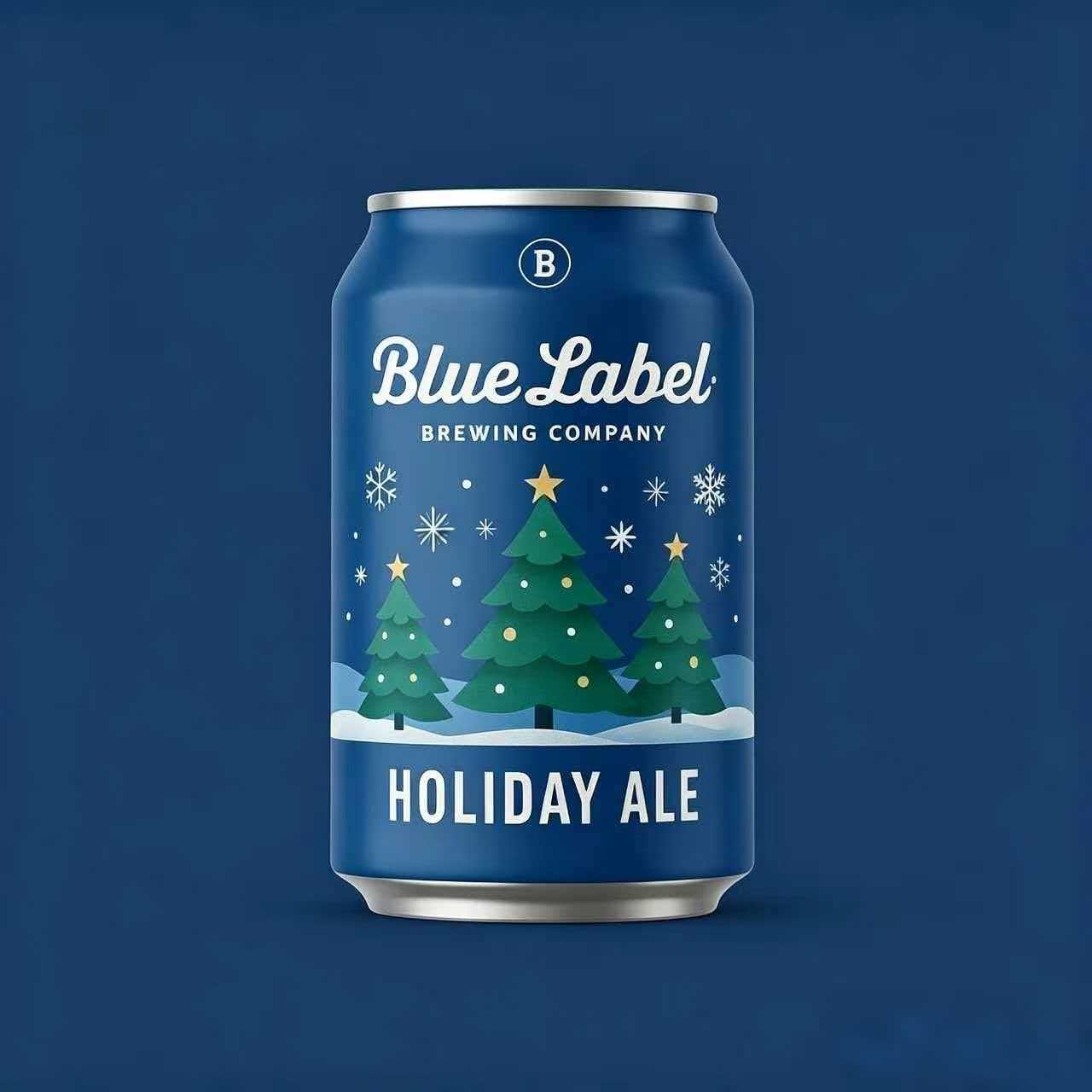
These labels are typically applied to glass bottles or aluminum cans used for various lager styles, including pale lagers, pilsners, dark lagers, and amber lagers. They feature design elements that communicate refreshment, quality, and tradition, often using clean typography, simple graphics, and cool color palettes. The label design is critical in the competitive lager market, where visual appeal significantly influences consumer perception and purchasing decisions.
Types of Lager Beer Labels
Lager beer labels come in several formats to suit different packaging styles, brand positioning, and production requirements.
Gloss finish labels provide a shiny, reflective surface that enhances color vibrancy and creates a premium appearance. The gloss finish makes colors appear more saturated and designs more eye-catching on retail shelves. Gloss labels are popular for mainstream and premium lager brands seeking a polished, professional look.
Matte finish labels offer a sophisticated, non-reflective surface that creates an understated, premium appearance. The matte finish reduces glare and creates a soft, tactile feel that conveys quality and craftsmanship. Matte labels are popular for craft lager and premium import brands emphasizing authenticity and tradition.
Waterproof film labels provide superior moisture resistance for ice-cold service. Made from synthetic materials like polypropylene or polyester, these labels are impervious to water and maintain their appearance even with prolonged ice bath exposure. They are essential for lagers that are typically served ice-cold in buckets or coolers.
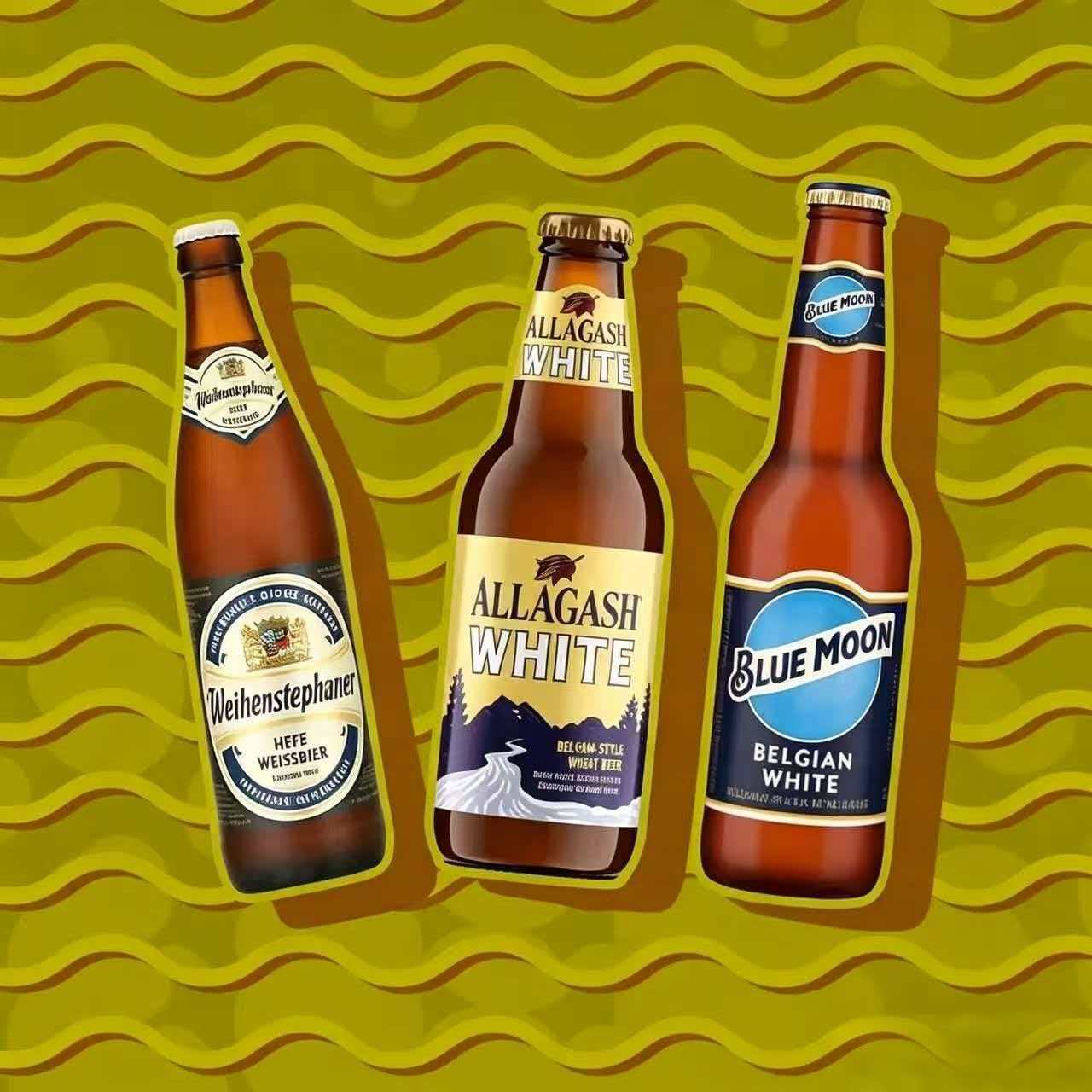
Pressure-sensitive labels are the most common format for lager bottles and cans. These adhesive labels are applied with pressure and can be made from various materials including film and paper. They offer excellent print quality and can be customized in any shape, making them flexible for different design requirements.
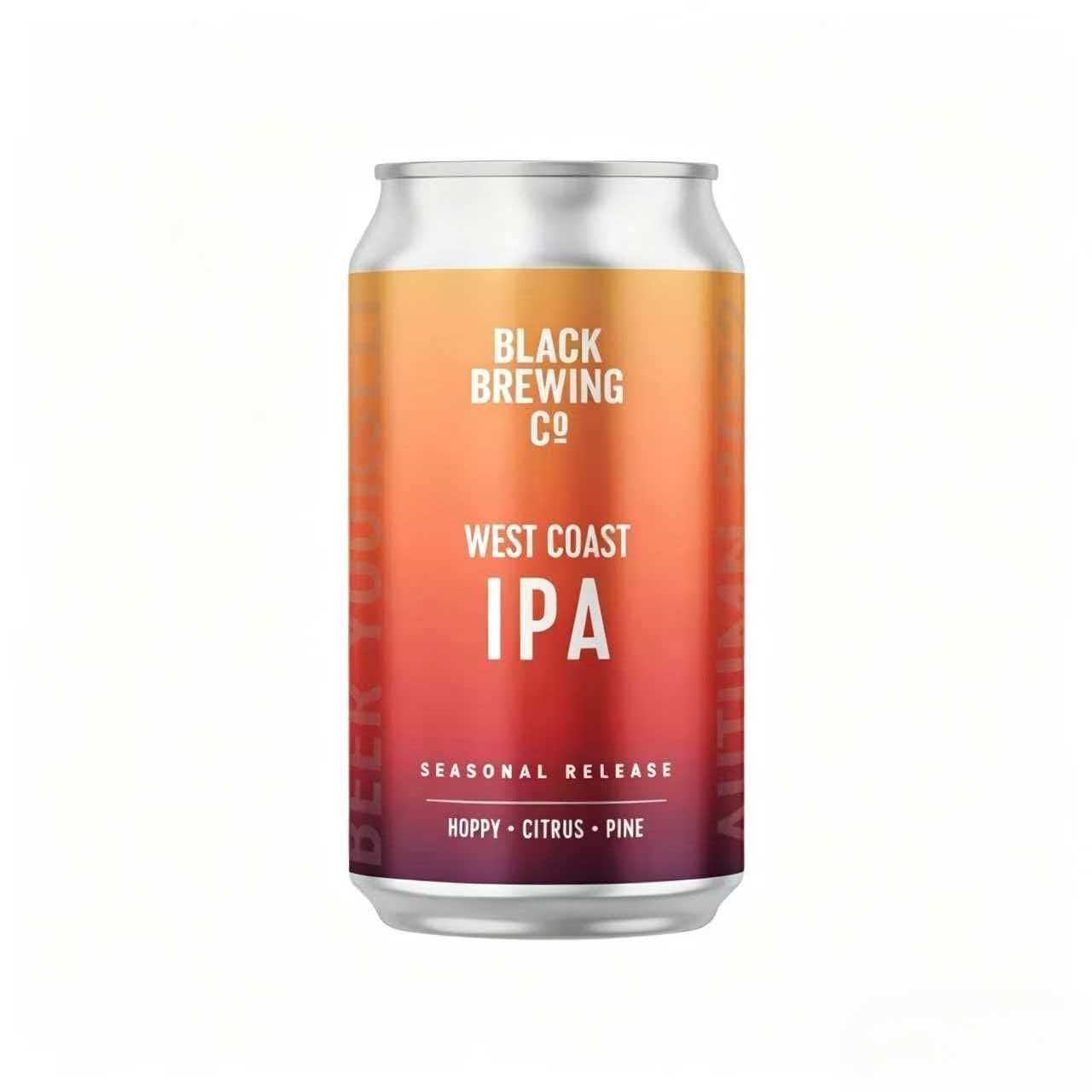
Shrink sleeve labels provide 360-degree branding coverage for aluminum cans. These labels are printed on heat-shrinkable film that is applied as a tube and then shrunk to conform tightly to the can's shape. They are particularly popular for canned lagers, offering full-surface graphics that capture consumer attention.
Clear film labels offer a modern, minimal look that can create a distinctive brand appearance. These transparent labels provide a contemporary aesthetic while offering waterproof durability. Clear labels are popular for premium lagers where a clean, sophisticated look is desired.
Features of Lager Beer Labels
Lager beer labels are defined by several critical features that ensure they meet the aesthetic and functional requirements of the lager market.
Ice bath resistance is the most essential feature of lager beer labels. These labels must withstand prolonged immersion in ice water without losing adhesion, wrinkling, or delaminating. Waterproof materials and specialized adhesives provide this resistance, ensuring the label remains intact and attractive throughout the chilling and service process.
High color fidelity ensures the label's design appears vibrant and accurate. Advanced printing technologies reproduce colors with exceptional accuracy, making designs eye-catching on retail shelves. Color accuracy is particularly important for lager brands where consistent visual identity is crucial for brand recognition.
Clean, refreshing design aesthetic communicates the lager's character. Lager labels typically feature clean typography, simple graphics, and cool color palettes that suggest refreshment and quality. The design should align with the beer's positioning, whether mainstream, premium, or craft.
Condensation resistance prevents moisture from damaging the label. When cold lagers warm up, condensation forms on the container surface. The label material and adhesive must resist this moisture without wrinkling, curling, or losing adhesion. This feature ensures the label maintains its professional appearance throughout consumption.
Temperature resistance maintains label integrity across temperature ranges. Lagers move from cold storage to room temperature during service. The label must maintain its adhesion and appearance across this temperature range without becoming brittle or losing adhesion.
Scratch resistance protects the label from handling damage. Lager bottles and cans are frequently handled, and labels must resist scratching and scuffing. Durable materials and protective coatings ensure the label remains attractive despite repeated handling.
Gloss and matte finish options provide aesthetic flexibility. Gloss finishes enhance color vibrancy and create a premium look, while matte finishes offer sophisticated subtlety. The finish choice should align with the brand's positioning and target consumer preferences.
Functions of Lager Beer Labels
Lager beer labels serve multiple critical functions that support branding, consumer communication, and market positioning.
Brand identity creation is the primary function of lager beer labels. The label conveys the beer's character, quality, and brand personality through design elements, colors, and typography. A strong label design differentiates the lager from competitors and builds brand recognition among consumers. The design must communicate refreshment and quality while aligning with the brand's overall positioning.
Consumer attraction on retail shelves is a critical function. With numerous lager options available, the label must capture attention and communicate quality at a glance. The design must stand out while also fitting within the visual language of lager packaging. The label often creates the first impression that leads to purchase consideration.
Information delivery provides essential details about the lager. Labels include the beer name, style, alcohol content, volume, ingredients, and brewery information. This information helps consumers make informed purchasing decisions and enhances their appreciation of the product.
Quality perception is influenced by label design and materials. High-quality materials, professional printing, and elegant design suggest a premium product. The label's visual and tactile appeal creates expectations about the beer's quality, influencing purchasing decisions and perceived value.
Style differentiation helps consumers identify the specific lager variety. Labels may include style indicators such as "Pilsner," "Helles," or "Dunkel" that help consumers choose their preferred type. This differentiation is particularly important for breweries offering multiple lager styles.
Storytelling connects consumers with the brewery's heritage and brewing tradition. Many lager labels share the brewery's history, brewing philosophy, or the inspiration behind specific beers. This narrative creates emotional connections, encouraging brand loyalty and repeat purchases.
Regulatory compliance is a legal requirement for all beer labels. They must include specific information such as alcohol content, net volume, and producer information. Proper labeling ensures legal compliance and avoids issues with regulatory authorities.
Top Lager Beer Labels in the Year 2026
Several leading suppliers dominate the lager labeling market in 2026, with Custom Panda providing exceptional quality and flexibility.
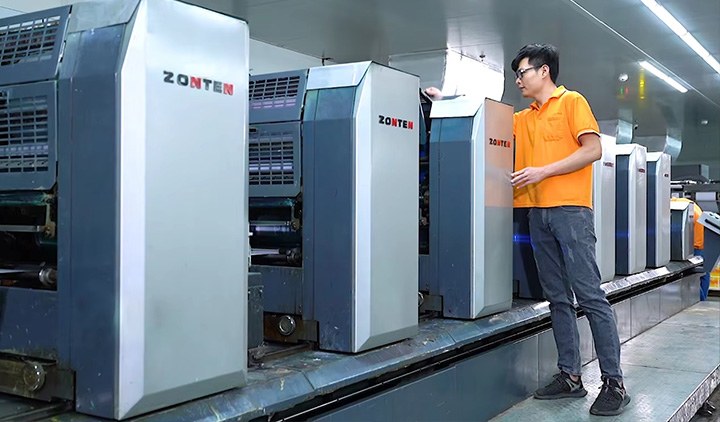
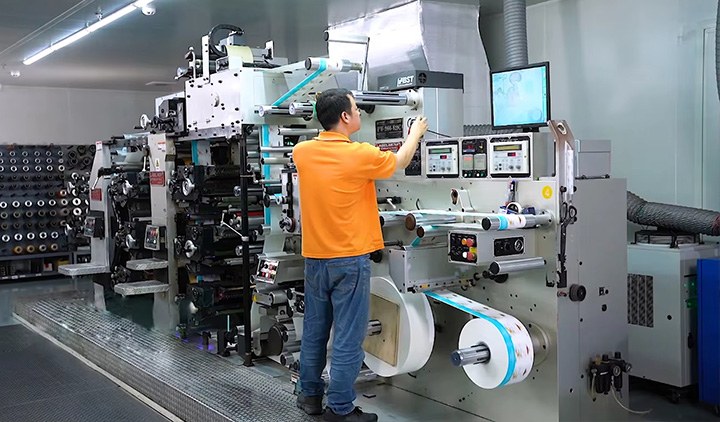
Custom Panda has established itself as a premier provider of custom lager beer labels. Their expertise in specialty label production makes them particularly well-suited for breweries requiring durable, attractive labels. They offer no minimum order policy, making professional labels accessible to breweries of all sizes. Free digital proofs within 12 hours ensure designs meet expectations, and production in just 2 to 3 days with global delivery in 5 to 7 days enables rapid response to market opportunities. Their waterproof film materials and high-fidelity printing ensure labels stay vibrant and secure on bottles or cans, even in ice buckets.
Collotype Labels is a global leader in beverage labeling, with extensive beer industry expertise. They offer advanced printing technologies including high-definition flexography and specialized finishing techniques. Their labels are used by some of the world's most recognized lager brands, providing comprehensive services from design to production.
MCC Label is a major player in the beer labeling market, offering innovative label solutions for bottles and cans. They provide both pressure-sensitive and shrink sleeve labels, with extensive material options for durability and aesthetics. Their global presence ensures consistent quality across multiple production facilities.
Fort Dearborn Company is a leading North American label supplier with a strong beer division. They offer design services, printing, and packaging solutions for breweries of all sizes. Their expertise in the beverage industry ensures labels that meet both functional and regulatory requirements.
Multi-Color Corporation is known for their decorative label solutions, including shrink sleeve labels popular in the beer category. They offer exceptional print quality and extensive material options for vibrant, durable labels. Their innovation in label construction supports creative and functional design requirements.
How to Select Lager Beer Labels
Selecting the right lager beer labels requires careful consideration of your specific brewing, packaging, and marketing requirements.
Consider your packaging type and materials. Glass bottles and aluminum cans each require different label considerations. Bottles may work well with pressure-sensitive labels, while cans often require shrink sleeve labels for full coverage. The container surface affects adhesion and label durability.
Evaluate your distribution and storage conditions. Will your lager be stored chilled in coolers or refrigerated display cases? Will it be exposed to ice water during events or consumption? The label must withstand the specific conditions your beer will face. More extreme conditions require more durable materials and adhesives.
Assess your brand positioning and design requirements. Are you creating a mainstream lager with a bright, gloss finish, or a craft lager with a more sophisticated matte look? The label material and finish should align with your brand identity. Consider what will appeal to your target consumers.
Determine your production volume. Larger runs may justify the investment in more sophisticated materials and printing techniques, while smaller batch sizes benefit from suppliers like Custom Panda with no minimum order requirements. Consider your production schedule and how quickly you need labels delivered.
Consider your budget constraints. Material and printing costs vary significantly. Paper labels generally cost less than film labels, while specialty finishes like metallic or holographic effects add expense. Balance your budget with the quality and durability your brand requires.
Evaluate sustainability considerations. Many breweries are focusing on environmental responsibility in their operations and packaging. Consider labels made from recycled content or easily recyclable materials, and use environmentally friendly adhesives where possible.
Check regulatory requirements. Ensure labels include all required information and comply with alcohol beverage control regulations in your markets. Working with an experienced label supplier can help ensure compliance.
Lager Beer Labels Size Guide
Choosing the right size for your lager beer labels is essential for both visual impact and practical application.
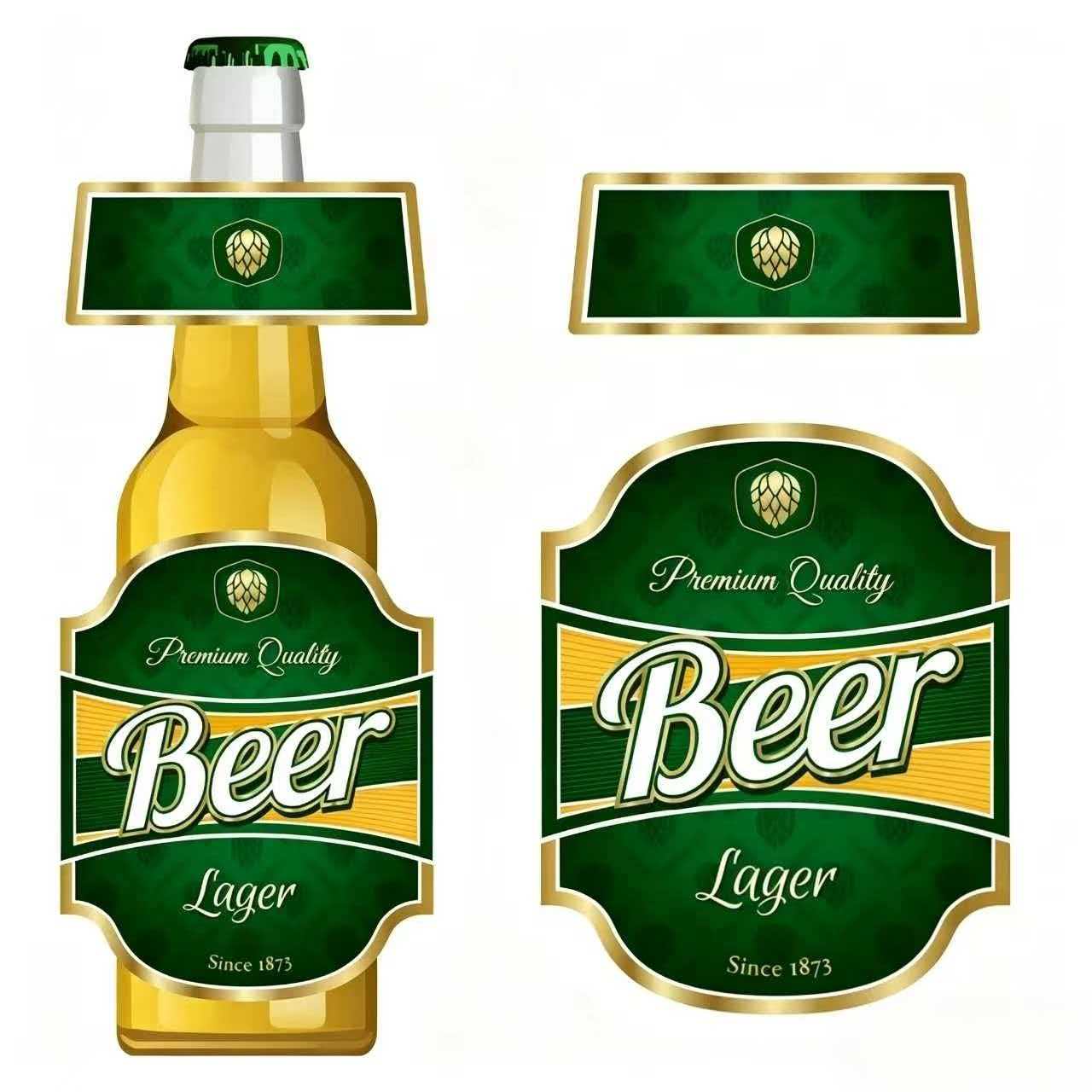
Standard 12-ounce beer bottles typically accommodate front labels measuring 4 inches by 3 inches to 4.5 inches by 3.5 inches. The size should be proportional to the bottle, creating a balanced appearance. The label should cover enough surface area to be visible and eye-catching while leaving space for the bottle's design.
Neck labels for beer bottles are significantly smaller, typically measuring 1 inch by 3 inches to 2 inches by 4 inches. These labels are designed to fit comfortably around the bottleneck without overlapping the bottle's flange. The size should be proportional to the bottle dimensions.
Aluminum can labels for standard 12-ounce cans typically wrap around the full circumference, measuring 3.5 inches by 8.5 inches. Shrink sleeve labels for cans provide full coverage. The label should fit the can's straight wall without covering the top or bottom ridges.
When determining label size, consider the required information. Lager labels must include product names, style information, alcohol content, and volume. The label must be large enough for this information to be legible. Consider whether a front label and neck label combination is needed for additional information.
The label should also be visually balanced with the overall packaging design. The size should be appropriate for the container and not overwhelm or underwhelm the overall appearance. Consider the label's visibility on shelves and during consumption.
How to Customize Lager Beer Labels
Customization of lager beer labels allows breweries to create packaging that reflects their unique brand identity and beer character.
The customization process with a supplier like Custom Panda begins with sharing your artwork or design concept. You don't need to be a professional designer; simply provide your logo, text requirements, and any specific design ideas. Their expert team will help develop your concept into a production-ready label design.
Free digital proof is provided within 12 hours, showing exactly how your labels will look. This proof includes color accuracy, size, shape, and material representation. Review the proof carefully, checking all information and design elements before approval. This step minimizes risk and ensures the final product meets your expectations.
Material selection is a key customization decision. Choose from waterproof film, paper, or specialty materials based on your requirements. Waterproof film offers superior durability for ice-cold service, while paper offers a traditional feel. Your choice should reflect your brand positioning and functional requirements.
Finish selection significantly impacts label appearance. Choose from gloss, matte, or textured finishes based on your brand aesthetic. Gloss finishes create vibrant, eye-catching labels, while matte finishes offer sophisticated subtlety. The finish should align with your brand's personality.
Color selection should reflect your lager's character and brand identity. Clean, crisp designs with cool color palettes are common for lagers. Ensure colors are accurately reproduced for consistent branding across all packaging.
Shape customization is available through die-cutting technology. Labels can be created in virtually any shape, from traditional rectangles to custom silhouettes. Unique shapes help your lager stand out on shelves and can reflect brand themes.
Printing options include full-color digital printing for complex artwork, as well as spot colors for brand-specific colors. Advanced printing technologies ensure accurate color reproduction and sharp details.
Supplier of Lager Beer Labels
Custom Panda has emerged as a premier supplier of custom lager beer labels, offering the perfect combination of quality, flexibility, and service.
Their specialization in custom labels for the beverage industry gives them deep expertise in materials, adhesives, and printing technologies. They apply this expertise to every lager label they produce, ensuring labels stay vibrant and secure on glass bottles or aluminum cans, whether in ice buckets, coolers, or refrigerated displays. Their waterproof materials and high-fidelity printing provide the durability and visual appeal lager brands require.
The no minimum order policy is particularly valuable for breweries, where batch sizes can vary widely. Small breweries launching new products, seasonal offerings, or limited editions can order the exact quantity needed without excess inventory. This flexibility supports brewery innovation and experimentation.
Free design assistance and free digital proofs ensure your labels will look professional and reflect your brand identity. The proof process identifies potential issues before production, saving time and preventing costly mistakes. With expert guidance, even breweries without in-house design capabilities can create exceptional labels.
Fast production in just 2 to 3 days and global delivery in 5 to 7 days enables breweries to respond quickly to market opportunities. New releases and seasonal offerings can be labeled with minimal lead time. This speed supports dynamic brewery operations.
Competitive pricing through factory-direct manufacturing makes high-quality custom labels affordable for breweries of all sizes. Custom Panda eliminates the middleman, passing savings on to customers. This accessibility allows breweries to invest in premium labels that enhance their brand.
By choosing a supplier like Custom Panda, breweries ensure their lager labels are not just packaging but powerful brand-building tools that help their products stand out and succeed. In conclusion, lager beer labels are essential components of beer branding and marketing, combining functional durability with aesthetic appeal to create powerful consumer connections.