

Best Enamel Pins Packaging Ideas
What Are Custom Trading Pins?
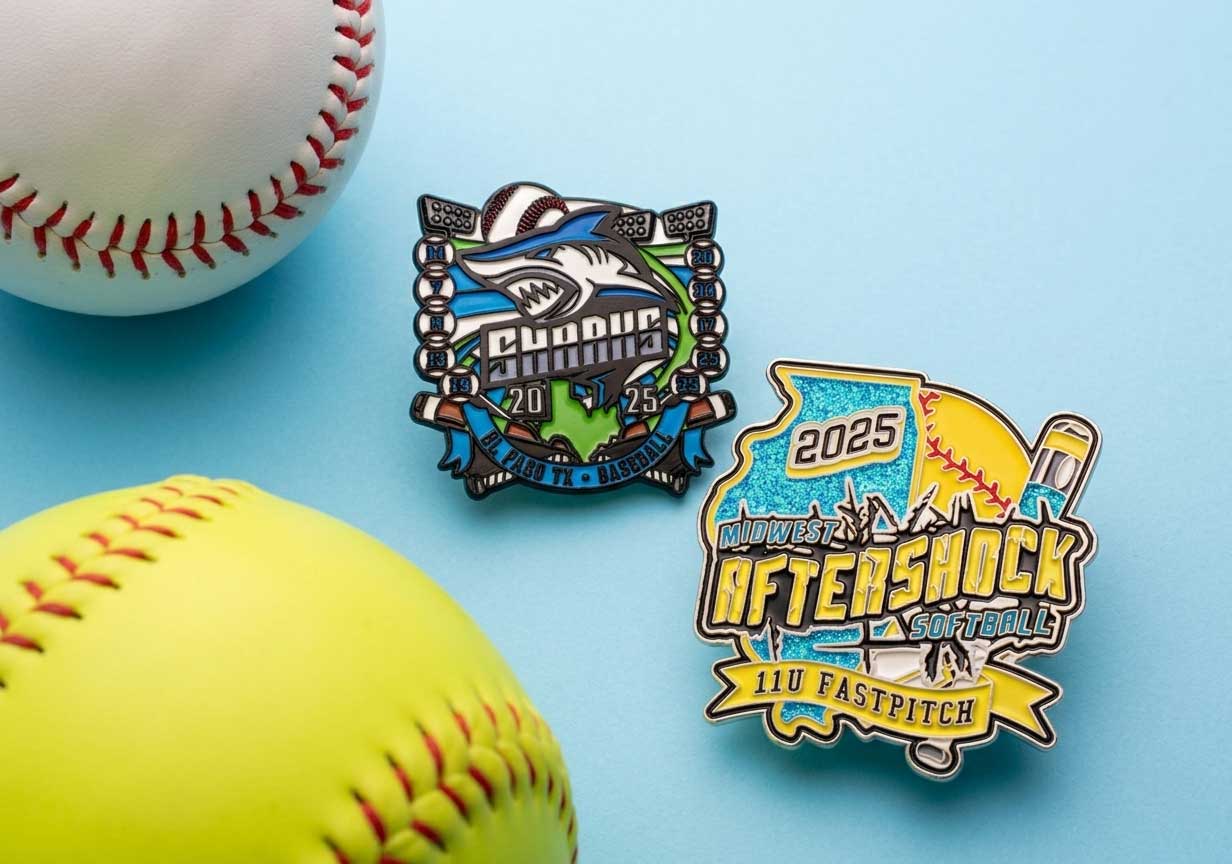
Custom trading pins are small, collectible metal badges designed to represent a team, organization, event, or brand. Unlike standard lapel pins, trading pins are created specifically for exchange—they are meant to be swapped, collected, and displayed as symbols of affiliation and shared experience. These pins typically feature team mascots, logos, tournament names, or unique artwork that tells a story. They are most commonly seen in youth sports like baseball and softball, where players trade them during tournaments as a way to connect with opponents and build camaraderie. For manufacturers, custom trading pins represent a versatile product category that combines artistry, metalworking precision, and customer collaboration. Each pin begins as an idea—a sketch, a logo, or even a napkin doodle—and evolves through a structured production process into a tangible keepsake that players will treasure for years.
The Characteristics of Premium Custom Trading Pins
What separates an ordinary pin from one that players chase across a tournament field comes down to several defining characteristics that collectively elevate a simple metal badge into a coveted collectible.
Visual Appeal and Color Vibrancy – Premium trading pins use high-quality enamel paints that deliver bold, bright colors that catch the eye from across a crowded tournament venue. The contrast between polished metal and vivid enamel creates an eye-catching effect that stands out on uniforms, hats, and trading lanyards. When colors are applied correctly, they remain brilliant for years without fading.
Tactile Experience – Soft enamel pins have a distinct textured feel, with raised metal lines and recessed enamel areas that create a three-dimensional sensation. Running a thumb across the surface reveals the design through touch, adding to the pin's interactive appeal and making each piece feel substantial and well-crafted.
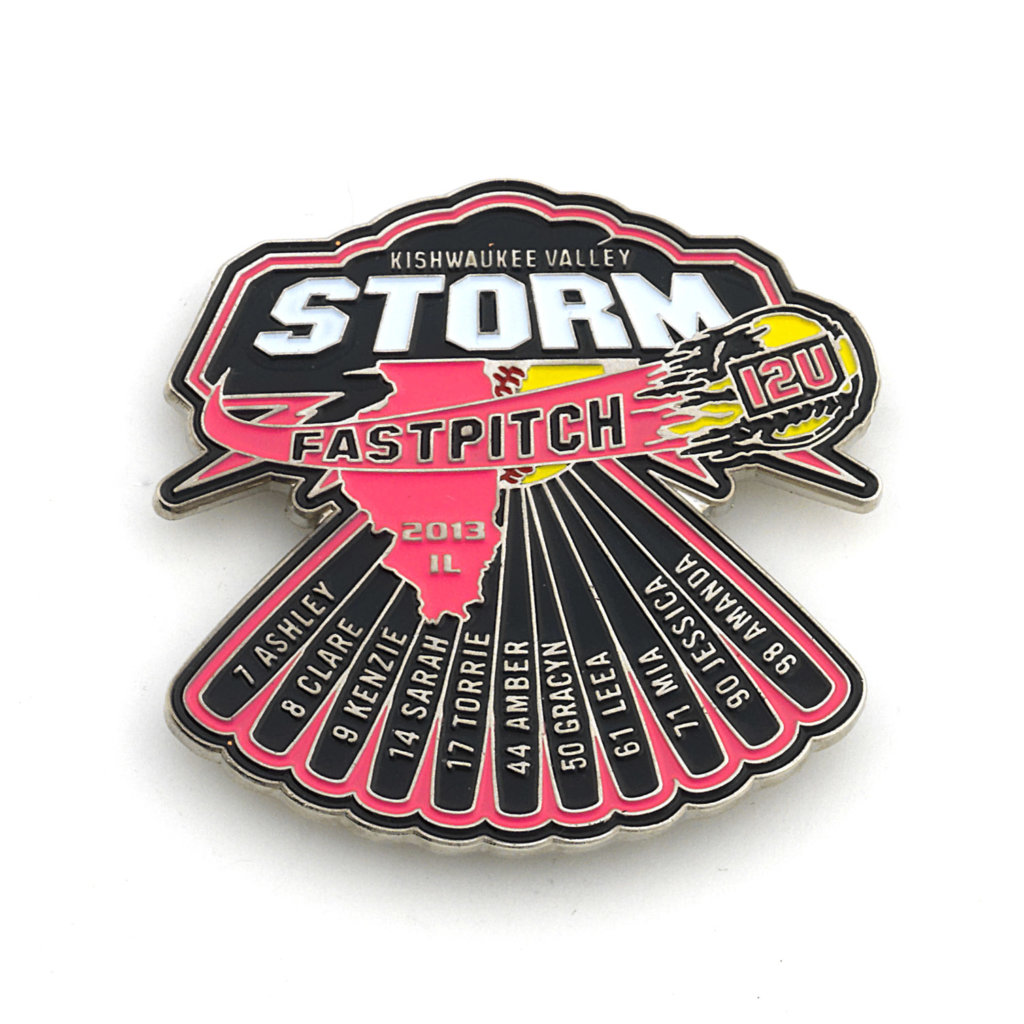
Durability – Trading pins endure significant handling—they are swapped, pinned, unpinned, tossed in bags, and carried throughout multi-day tournaments. Quality pins are made from zinc alloy or brass and finished with durable plating that resists tarnishing and wear. Zinc alloy is particularly valued for its light weight, flexibility, and rust resistance, making it ideal for long-term keepsakes that survive years of storage and handling.
Customizability – The ability to create virtually any shape, size, or color combination makes trading pins infinitely customizable. No two designs need be the same. Special effects like glitter, glow-in-the-dark pigments, spinners, sliders, and danglers add further dimension and collectibility, transforming a standard pin into an interactive conversation piece.
Storytelling Potential – A well-designed pin captures a moment—a championship win, a tournament location, a team inside joke, or a season's theme. This narrative quality transforms the pin from a simple accessory into a memory that players carry home and display with pride.
The Role of Custom Trading Pins in Youth Sports Culture
Custom trading pins serve functions far beyond mere decoration. They are deeply embedded in the fabric of youth sports culture, particularly in baseball and softball tournaments, where they have become an essential part of the overall experience.
Social Catalyst – Trading pins break down barriers between teams. When players approach each other to trade, conversations start, friendships form, and the competitive atmosphere softens into something more communal and welcoming. The exchange itself becomes a highlight of the tournament experience, often remembered as fondly as the games themselves. Children who might be shy on the field find confidence in approaching others through the universal language of pin trading.
Symbol of Belonging – Wearing a team's custom pin signals membership in a select group. For young athletes, this sense of identity and pride is invaluable. The pins represent not just the team name, but the shared effort, victories, practices, and memories of the entire season. When players wear their team's pin, they carry a piece of their team with them wherever they go.
Tangible Memories – Years after the final game, these pins often end up in memory boxes, pinned to bulletin boards, or displayed in scrapbooks. They serve as physical reminders of seasons past, friends made, and experiences cherished. For parents and coaches, knowing their pins will hold this lasting significance makes the effort and investment worthwhile.
Cultural Tradition – In many youth sports leagues, trading pins are an expected part of tournament participation. Teams that arrive without pins miss out on a key social ritual, while those with creative, high-quality pins become the center of attention. The tradition creates continuity across seasons, with younger players learning from older ones about the etiquette and excitement of trading.
Family Engagement – Trading pins also involve parents and siblings, who often help their children organize, display, and trade pins. This family involvement extends the tournament experience beyond the field, creating shared memories and bonding opportunities.

Main Types of Custom Trading Pins: A Material and Process Guide
Understanding the different types of trading pins is essential for making informed manufacturing decisions. The choice of process affects cost, appearance, durability, and production timeline, so knowing the options helps customers select the perfect match for their needs and budget.
Soft Enamel Pins
Soft enamel is the most popular choice for trading pins, accounting for roughly 90% of all production. After the metal base is stamped, enamel paint is applied to the recessed areas of the design. The raised metal lines prevent colors from mixing, and the paint is baked until hardened. Because the enamel sits below the metal lines, the pin has a distinct textured feel that collectors love.
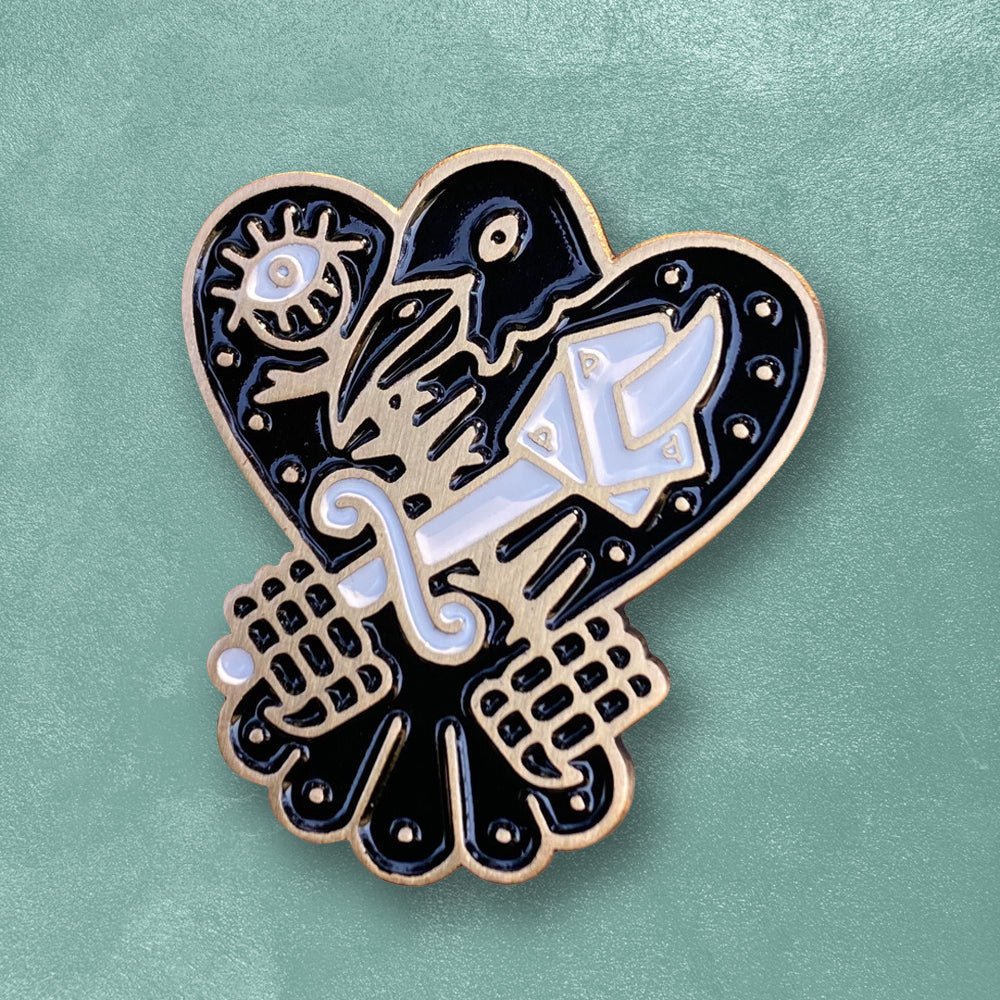
Bright colors with a classic 3D appearance
Highlights design depth and detail
Most budget-friendly for all order sizes
Excellent for fine lines and multiple colors
Shorter timeline compared to hard enamel
Hard Enamel Pins
Hard enamel pins, sometimes called cloisonné pins, have a smooth, polished surface that resembles fine jewelry. The production process differs in a crucial way: the recessed areas are overfilled with enamel paint, then the pin is polished until the enamel sits flush with the metal lines. This creates a sleek, glass-like finish that feels premium and sophisticated.
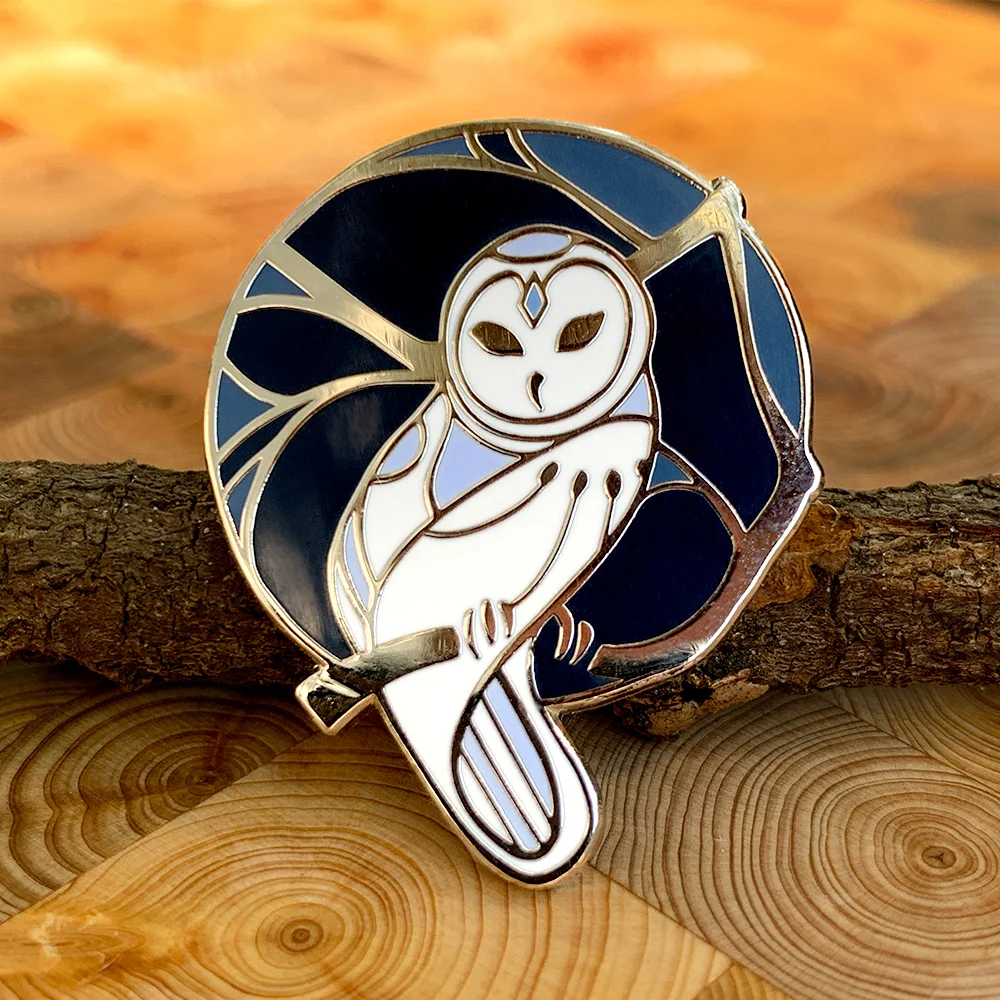
Premium, jewelry-like surface
Extremely scratch-resistant
Due to extra polishing and production time
Less suited for intricate details
Vibrant due to polished finish
Offset Printed Pins
For designs requiring photographic detail, gradients, or ultra-fine lines under 0.2 mm, offset printing is the preferred method. The image is printed directly onto the metal surface and is typically protected with a clear epoxy dome to prevent scratching and extend longevity.
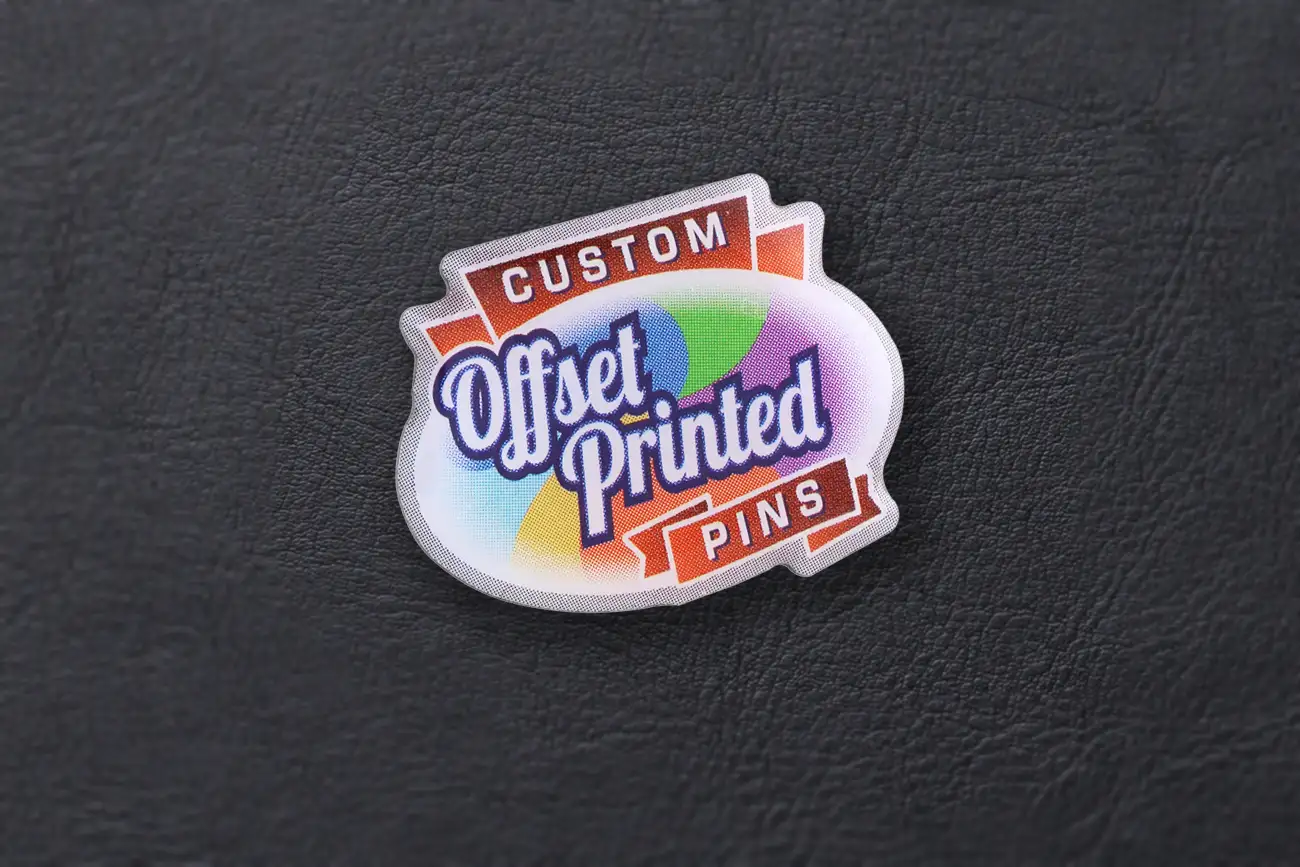
Gradients and ultra-fine lines
Protected with epoxy coating
Ideal for large orders
Compared to enamel pins
Perfect for logos with many colors
Epoxy Coated Pins
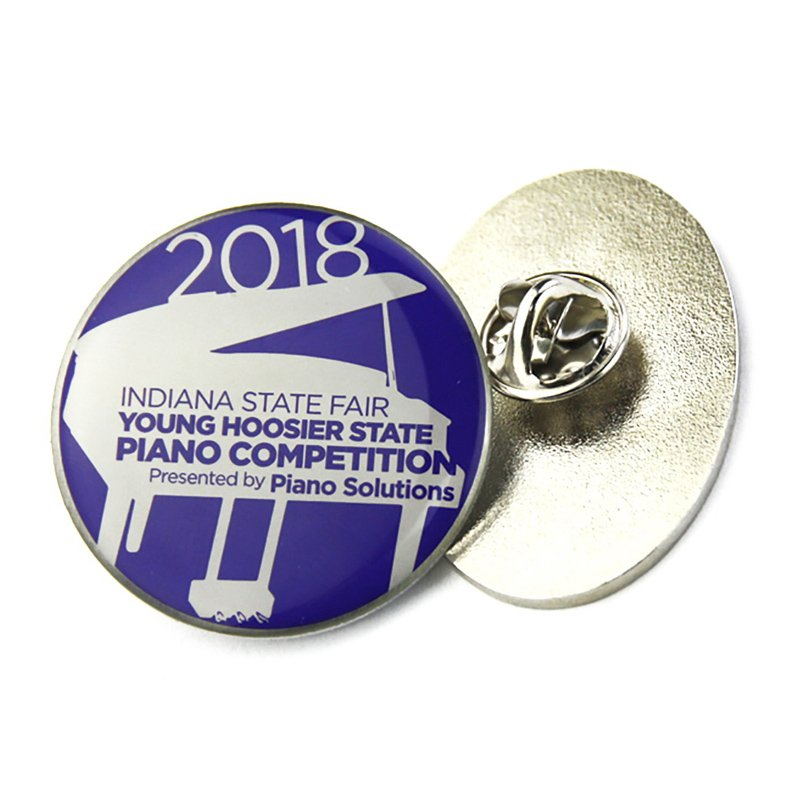
Some manufacturers offer a hybrid approach: soft enamel pins with an epoxy resin coating. This gives the pin the smooth feel of hard enamel while retaining the fine detail capabilities of soft enamel. It is an excellent compromise for clients who want the best of both worlds—durability without sacrificing design complexity.
Special Effects and Add-Ons
Beyond the core types, custom trading pins can incorporate various enhancements that significantly increase their trading value:
Glitter – Adds sparkle to specific areas, catching light and attention
Spinners and Sliders – Moving parts that create interactive appeal and make the pin more memorable
Danglers – Small hanging elements attached to the main pin via a small chain
Glow-in-the-Dark – Luminescent pigments for nighttime visibility and fun
Screen Printing – Adds fine detail over enamel surfaces for extra precision
Duotone – Combines two different metal plating colors in one design
| Pin Type | Surface Feel | Durability | Best For | Cost Level |
|---|---|---|---|---|
| Soft Enamel | Textured, raised metal | Good | Detailed designs, vibrant colors | $ |
| Hard Enamel | Smooth, polished | Excellent | Bold, premium looks | $$$ |
| Offset Printed | Flat with epoxy | Very Good | Photo-realistic, gradients | $$ |
| Epoxy Coated | Smooth (hybrid) | Good | Detail + smooth feel | $$ |
How Custom Trading Pins Are Made Step by Step
The production of custom trading pins is a multi-stage process that combines traditional craftsmanship with modern manufacturing precision. Understanding this journey helps customers appreciate the value of their finished products and why quality manufacturing matters.
Step 1: Artwork Creation and Die-Making
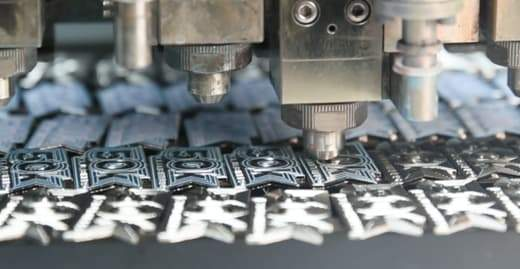
The process begins with the customer's design. Manufacturers convert sketches or digital files into production-ready vector artwork that meets technical specifications. A metal die, or mold, is then created by engraving the design into steel—this is the single most important tool in the entire process. The die is the critical tool that will stamp the pin shape into metal blanks with precision and consistency. In-house mold-making capability reduces setup time by up to a week compared to outsourcing, which is why many customers prefer manufacturers with this capacity.
Step 2: Metal Stamping
The die is used to stamp the pin design into metal sheets, typically zinc alloy or brass. Zinc alloy is preferred for trading pins because it is lightweight, flexible, and resistant to rust, making it comfortable to wear and long-lasting. The stamped blanks are then cut to shape, creating the rough outline of the finished pin. This step requires enormous pressure and precision to ensure clean, accurate impressions.
Step 3: Plating
The stamped metal bases are electroplated with a metal finish—options include gold, silver, nickel, black nickel, copper, or antique effects. Plating adds luster, protects the pin from oxidation, and contributes significantly to the overall aesthetic. Different plating options are compatible with different enamel types; hard enamel, for instance, requires high-temperature baking that limits plating choices, so this decision affects subsequent steps.
Step 4: Enamel Coloring
For soft enamel pins, enamel paint is applied to the recessed areas of the design. Each color is added separately, and the pin is baked after each application to harden the paint. The raised metal lines keep colors from bleeding into one another, ensuring crisp, clean color boundaries. This step requires precision and patience, as each color must be placed correctly and baked thoroughly.
For hard enamel pins, the order is reversed: enamel is applied before plating. Recessed areas are overfilled with paint, then baked at higher temperatures. Each color is baked individually, increasing production time and cost significantly. After all colors are applied, the pin is polished flat so the enamel sits flush with the metal, creating that signature smooth surface.
Step 5: Polishing and Finishing
After coloring, pins are polished to achieve the desired finish. Soft enamel pins receive a light polish to clean up edges and enhance shine while preserving the textured feel. Hard enamel pins undergo extensive polishing on large wheels to create a completely smooth, mirror-like surface. Additional effects—epoxy coating, glitter application, or screen printing—are applied at this stage before the final quality check.
Step 6: Assembly and Quality Control
The final step involves attaching the pin backing (butterfly clutch or rubber clutch) and conducting thorough quality checks. Each pin is inspected for color accuracy, plating consistency, structural integrity, and overall appearance. Many manufacturers provide a digital proof before production begins, allowing customers to review and approve the design and ensuring complete satisfaction.
Expert Tips for Designing High-Impact Custom Trading Pins
Creating a pin that stands out in the trading market requires thoughtful design and strategic planning. Here are professional guidelines to ensure your pins become sought-after treasures.
Simplify Your Color Palette – While multiple colors can make a design pop, too many colors increase production complexity and cost. Aim for 3-6 distinct colors that align with your team's branding. Bold, contrasting colors work best on a small pin surface where subtle shades may be lost. Remember that each color adds to the production timeline, so streamlining your palette keeps costs manageable.
Avoid Ultra-Fine Lines – Lines thinner than 0.2 mm may not stamp cleanly, particularly with hard enamel where the grinding process can blur delicate details. For soft enamel, fine lines are more achievable, but simplifying linework generally produces a stronger visual result. If your design requires very fine details, consider soft enamel with screen printing or offset printing for the best outcome.
Plan for the Metal Finish – The metal plating is not just a background—it frames the design and contributes to the pin's overall aesthetic. Gold plating gives a classic, premium feel, while black nickel creates a modern, edgy look. Consider how the plating will interact with your enamel colors; antique finishes, for instance, create a vintage effect that pairs beautifully with bold colors.
Add One Memorable Feature – A spinner, dangler, or glitter section can turn an ordinary pin into a sought-after collectible without dramatically increasing cost. These interactive elements make pins more valuable in trading because they are distinctive and engaging. Choose one special feature to focus on rather than trying to include everything at once.
Balance Detail with Durability – Remember that trading pins are handled frequently and often tossed into bags or pockets. Designs with large, unbroken color areas tend to hold up better than those with many tiny, isolated segments that may chip over time. Protecting the surface with epoxy coating can add durability, especially for printed designs.
Proof Before Production – Always request a digital proof. This allows you to verify color placement, text legibility, and overall composition before the die is cut. Changes are far more expensive once production begins, so take the time to review proofs carefully from multiple angles.
Consider Size Carefully – Standard trading pins range from 1 to 2 inches, but larger sizes allow for more detail while smaller pins are easier to trade and wear. Think about how the design will scale and what size best suits your artwork and purpose.
Custom Panda: Premium Manufacturer for Your Custom Trading Pins
Custom Panda is a premier manufacturer specializing in the design and production of high-end customized products, including custom pins, custom patches, and custom labels. We serve teams, organizations, and businesses worldwide, delivering craftsmanship that elevates ordinary merchandise into memorable keepsakes that clients are proud to display and share.
What sets us apart is our unwavering commitment to quality, efficiency, and genuine partnership. We do not simply fulfill orders—we collaborate closely with our clients to bring their creative visions to life with precision and care. Whether you are a Little League coach needing 200 pins for an upcoming tournament, a corporation seeking a custom patch collection for a brand event, or an individual with a unique design idea, we treat every project with the same dedication and attention to detail.
Our service features reflect this philosophy and are designed to make the custom manufacturing process seamless, transparent, and enjoyable:
Premium Quality – Every pin, patch, and label we produce is crafted with precision using the finest materials available. From zinc alloy die-casting to colorfast enamel paints and durable plated finishes, our products are built to impress and endure. We stand behind the quality of every item that leaves our facility, conducting rigorous inspections to ensure consistency and excellence.
Factory Direct Pricing – By manufacturing our products in-house, we eliminate middleman costs and retail markups. We pass these savings directly to our clients, offering savings of up to 30% compared to retail alternatives. You get premium quality without the premium price tag, making custom merchandise accessible to teams and organizations of all sizes.
Worldwide Shipping – We understand that timing matters, especially for tournament-bound orders and event deadlines. Our global delivery network ensures that your custom products arrive reliably in just 5 to 7 days. Wherever you are, we bring your designs to your doorstep with tracking and care.
No Minimum Order – Whether you need 50 pins for a local team or 5,000 for a national campaign, we welcome orders of any size. Our flexible manufacturing process accommodates small batches and large bulk orders alike, making custom merchandise accessible to every budget and every scale of business.
Free Digital Proof – Design collaboration should be stress-free and transparent. We provide a free digital proof within 12 hours of receiving your artwork or concept. You review, request changes, and approve the final design before production begins. This ensures complete satisfaction and eliminates surprises or miscommunication.
Fast Turnaround – We know that sports schedules and event calendars do not wait. Our efficient production line allows us to complete most orders in just 2 to 3 days, with rapid dispatch immediately after quality control. When your deadline is tight, we deliver without compromising on quality.
At Custom Panda, we believe that custom products tell stories, build communities, and create lasting memories. We are honored to play a part in that process by providing exceptional products and unparalleled service. Whether you are designing your first team pin or your hundredth patch collection, we are here to guide you every step of the way.
FAQs about Custom Trading Pins
1. What is the difference between soft enamel and hard enamel pins?
Soft enamel pins have raised metal lines and recessed enamel areas, creating a textured surface with a classic 3D look that collectors love. Hard enamel pins are polished flat after enamel application, resulting in a smooth, jewelry-like finish that feels premium. Soft enamel is more common for trading pins due to its vibrant colors, texture, and cost-effectiveness, while hard enamel offers greater durability and a premium feel but is more expensive and takes longer to produce.
2. How long does it take to produce custom trading pins?
Typical production time ranges from 2 to 3 weeks from artwork approval, including mold-making, stamping, plating, coloring, polishing, and quality control. Rushed production may be available depending on the manufacturer's capacity and current workload. Custom Panda offers an expedited 2 to 3 day production turnaround for clients with urgent deadlines, ensuring your pins arrive when you need them.
3. What is the minimum order quantity for custom pins?
Minimum order quantities vary by manufacturer. Many suppliers require 50 to 100 pieces per design to make production economically viable, while others have higher minimums. However, some manufacturers like Custom Panda have no minimum order requirement, allowing small teams, clubs, and individuals to create custom pins without overcommitting. This flexibility makes custom merchandise accessible to everyone.
4. How much do custom trading pins cost?
Pricing depends on several factors: design complexity, pin size, enamel type (soft vs. hard), plating finish, special effects, and order quantity. Soft enamel pins are generally the most affordable, while hard enamel and offset printed pins cost more due to additional processing. Larger orders reduce per-unit cost significantly because setup costs are distributed across more pieces. Factory direct manufacturers like Custom Panda offer competitive pricing with savings up to 30% off typical retail rates, making quality pins accessible for any budget.