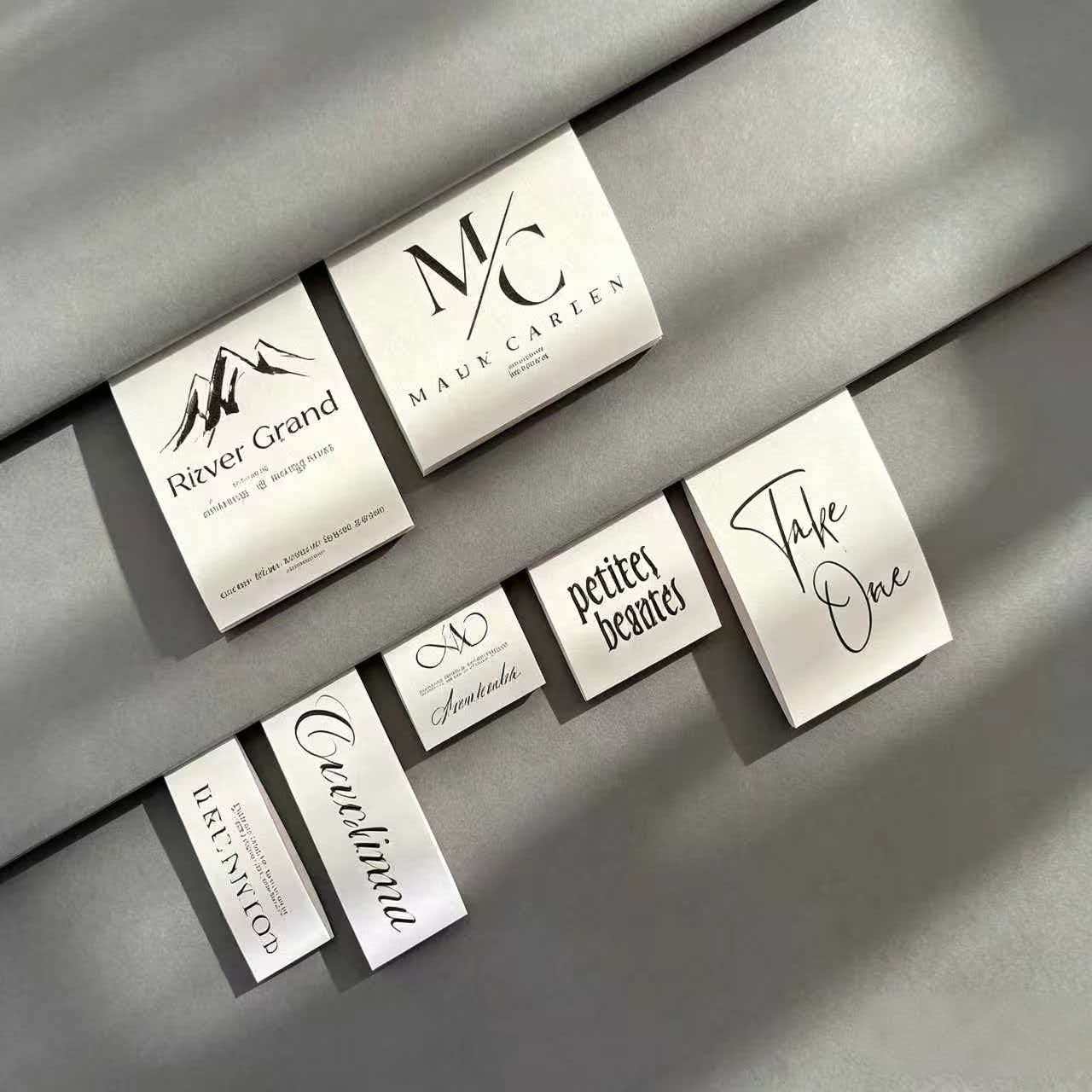
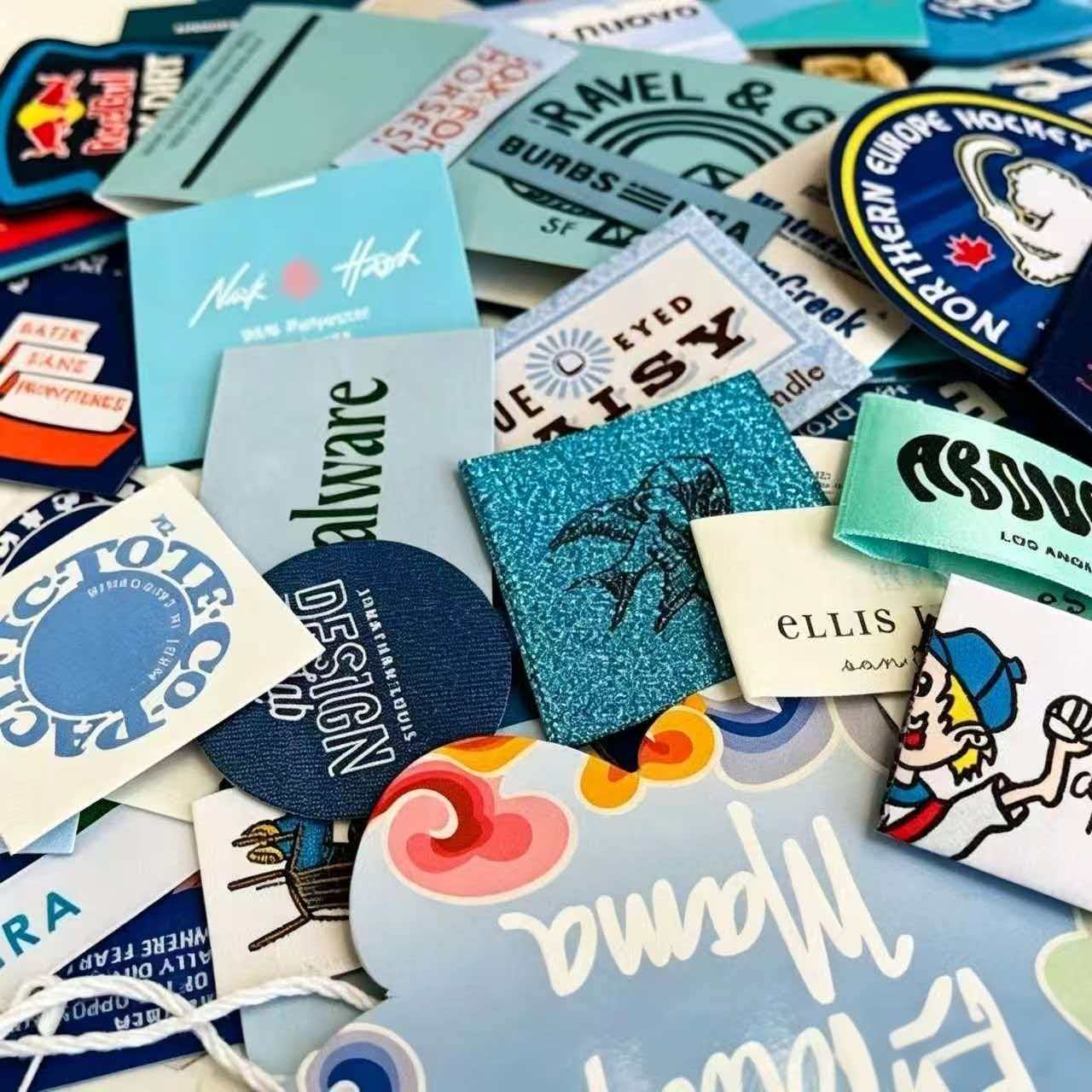
What are Custom Labels?
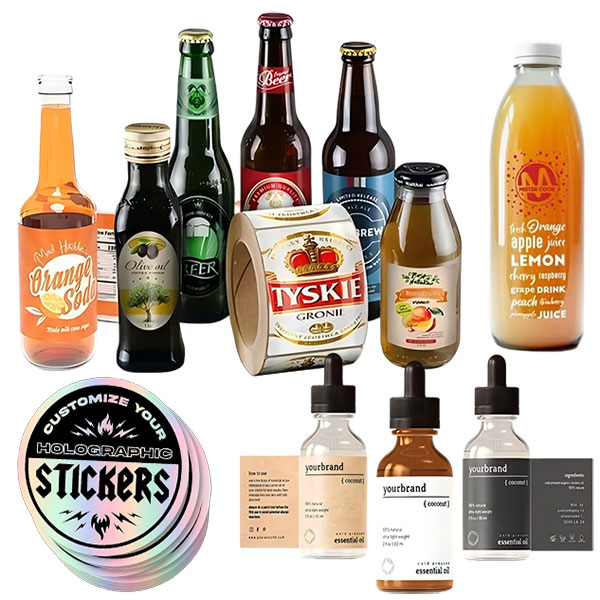
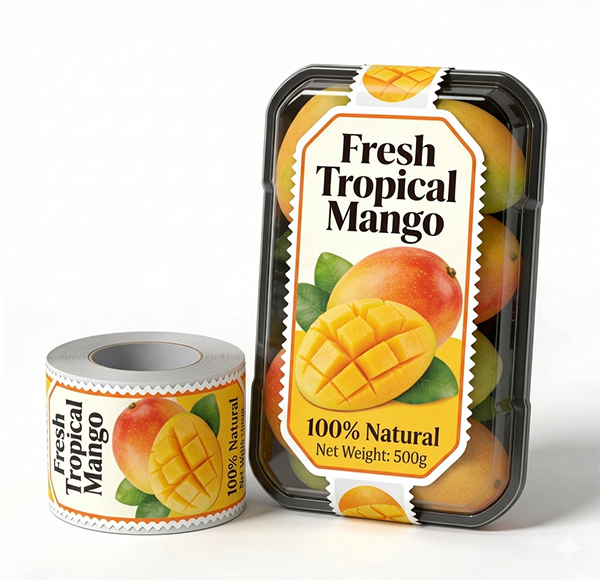
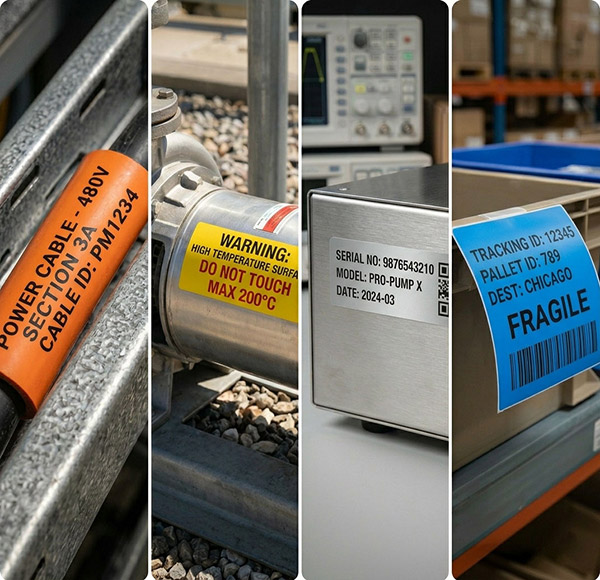
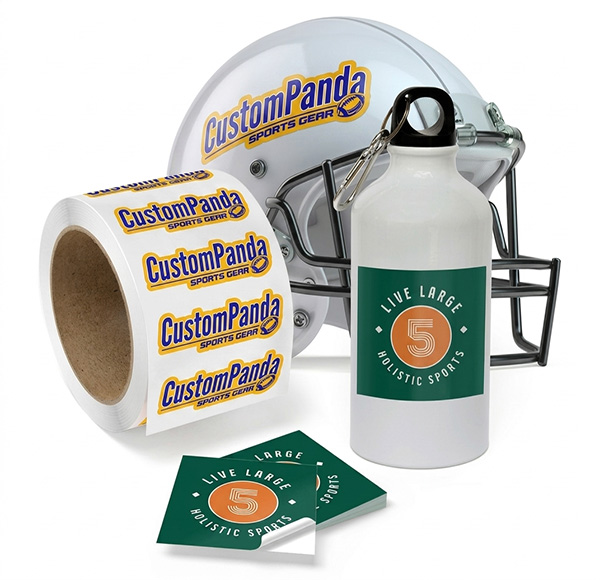
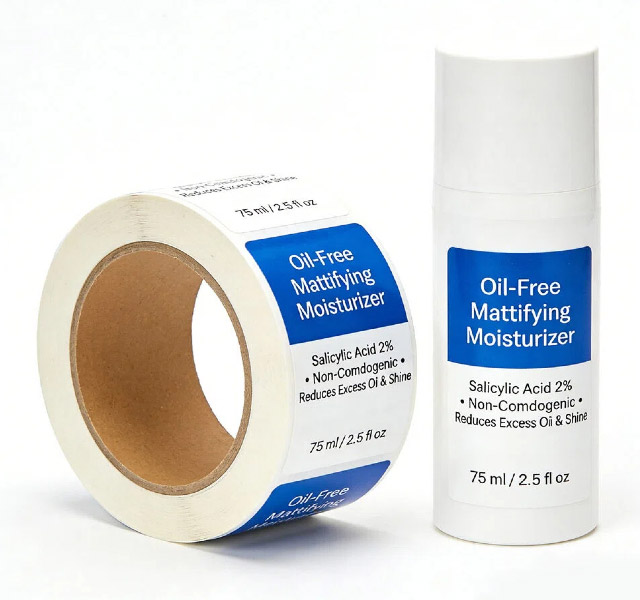
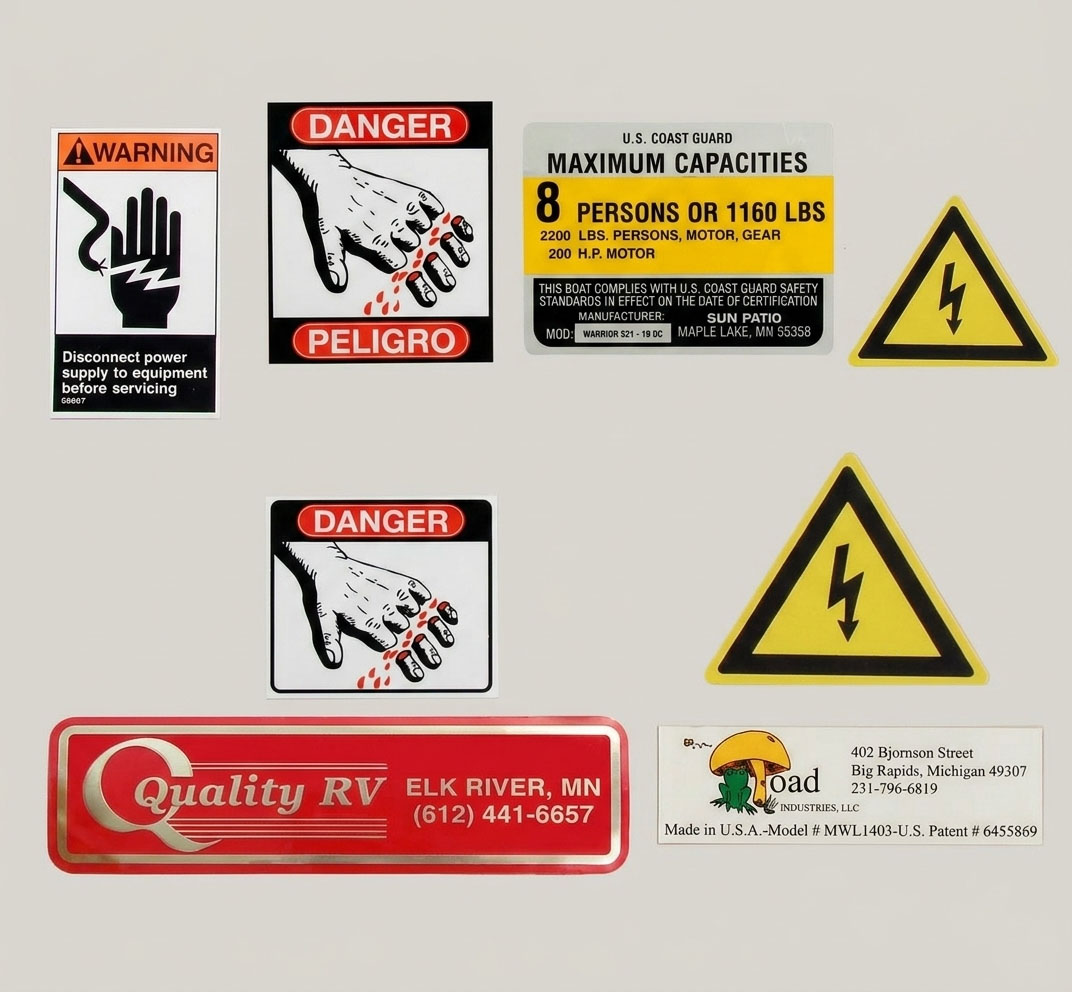
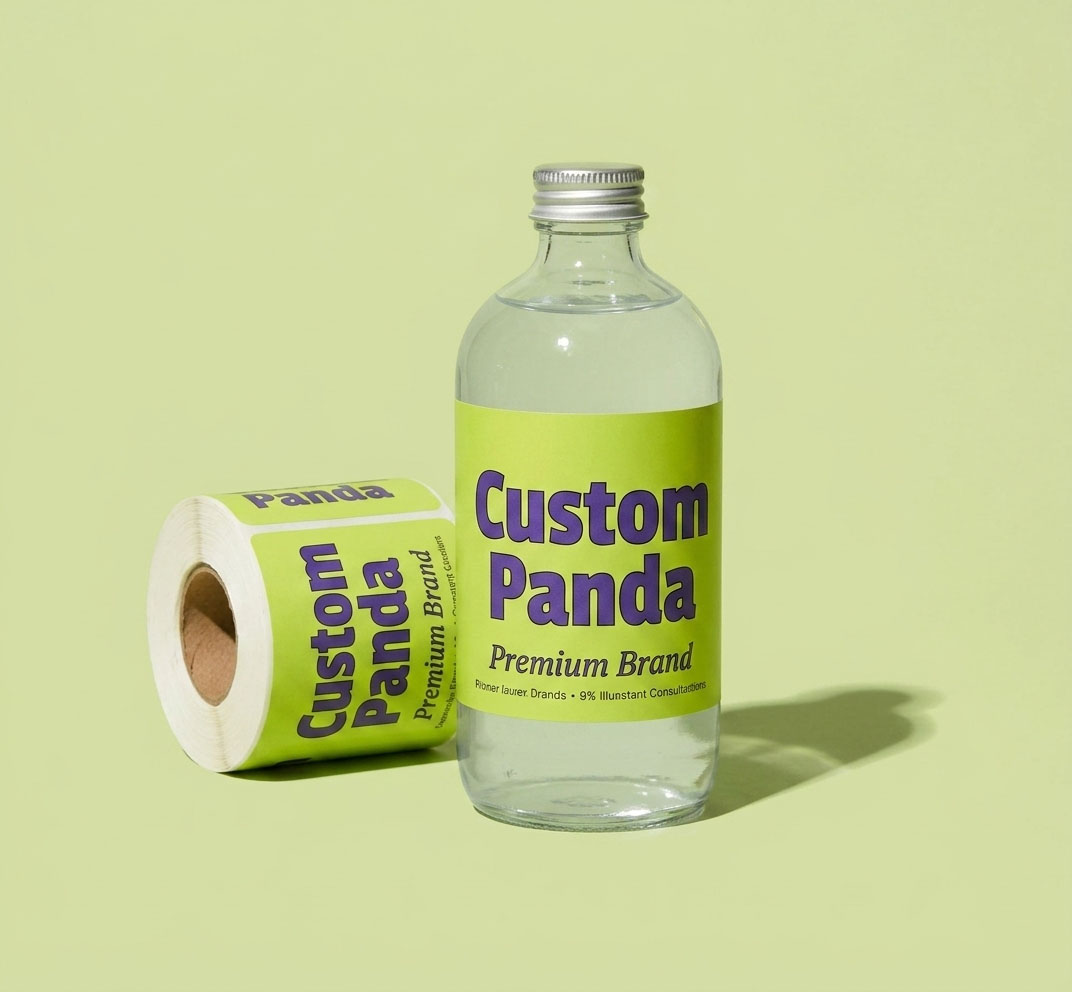
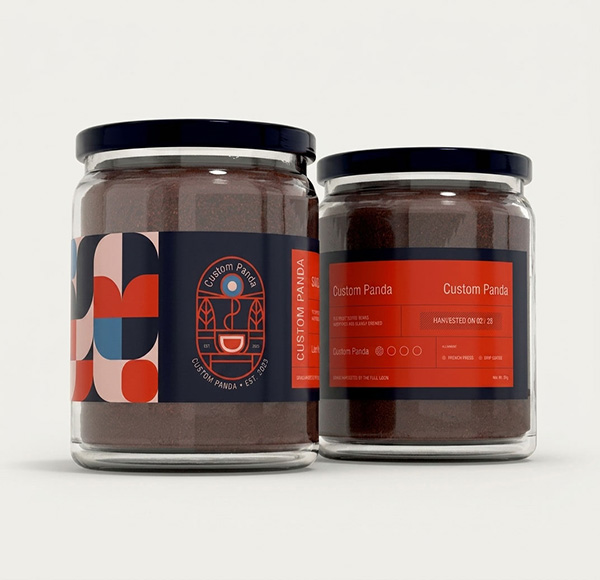
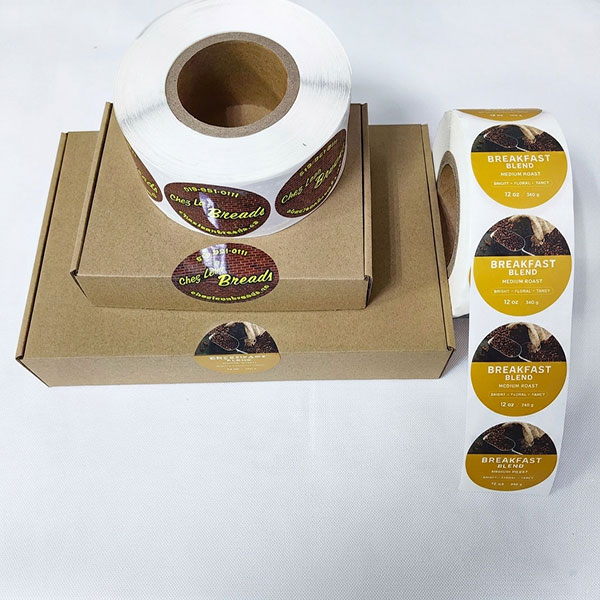
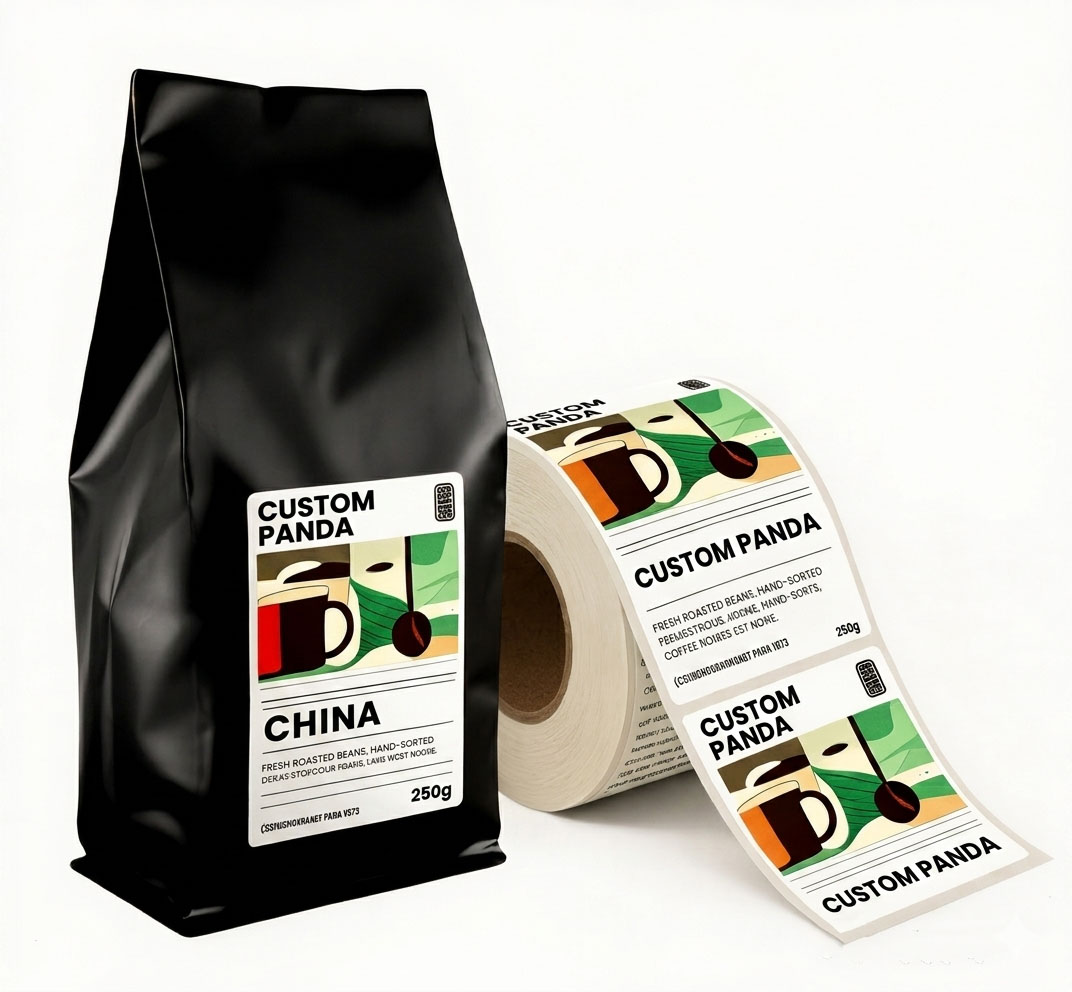
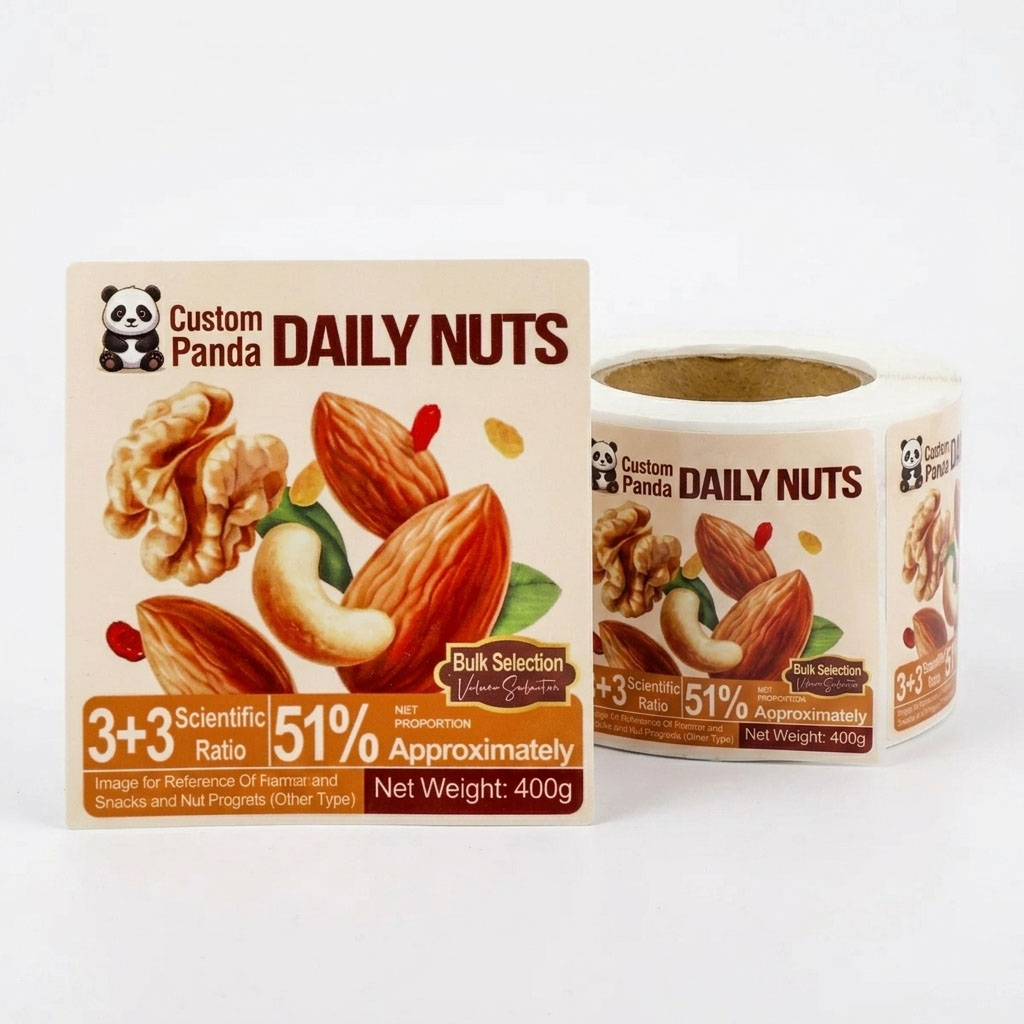
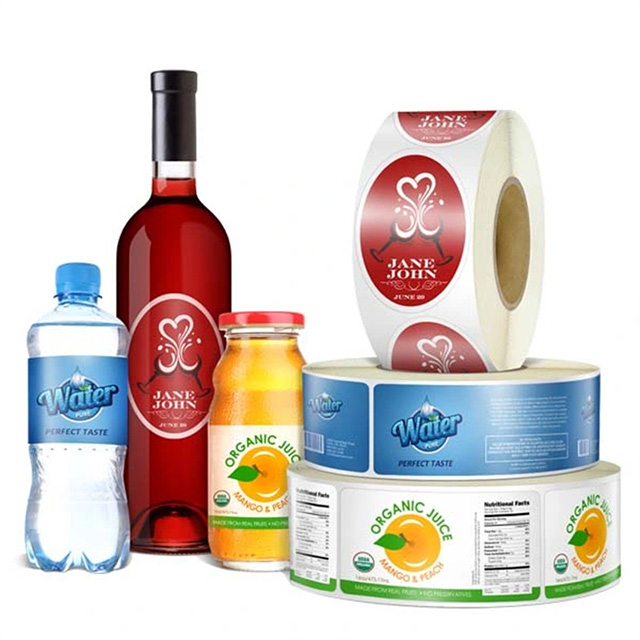
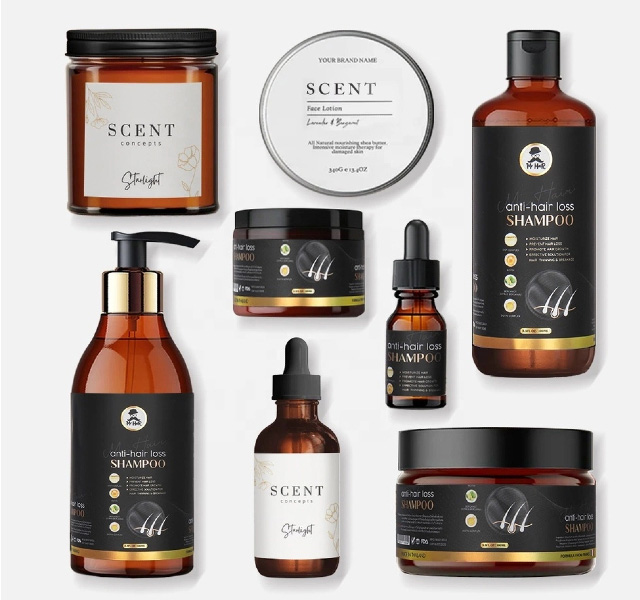
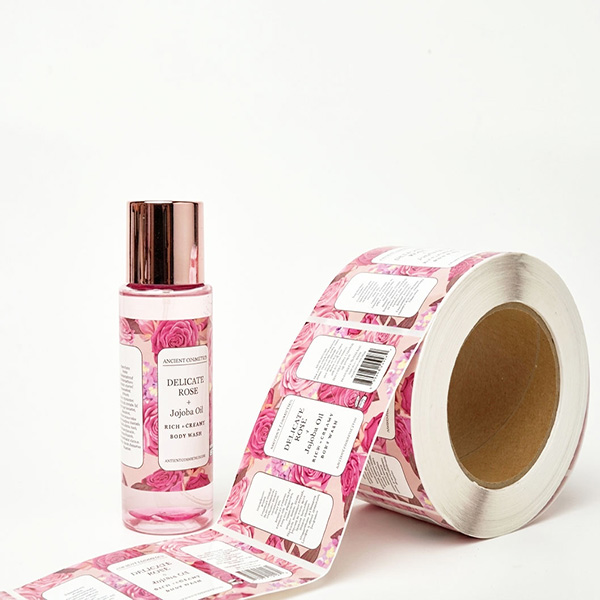
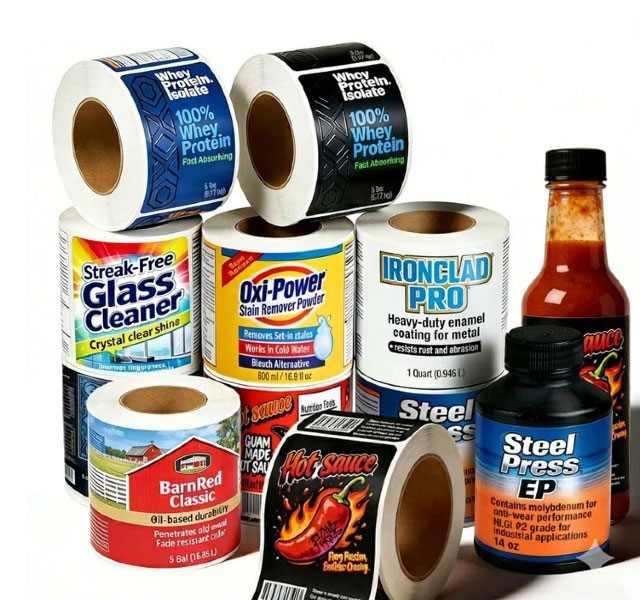
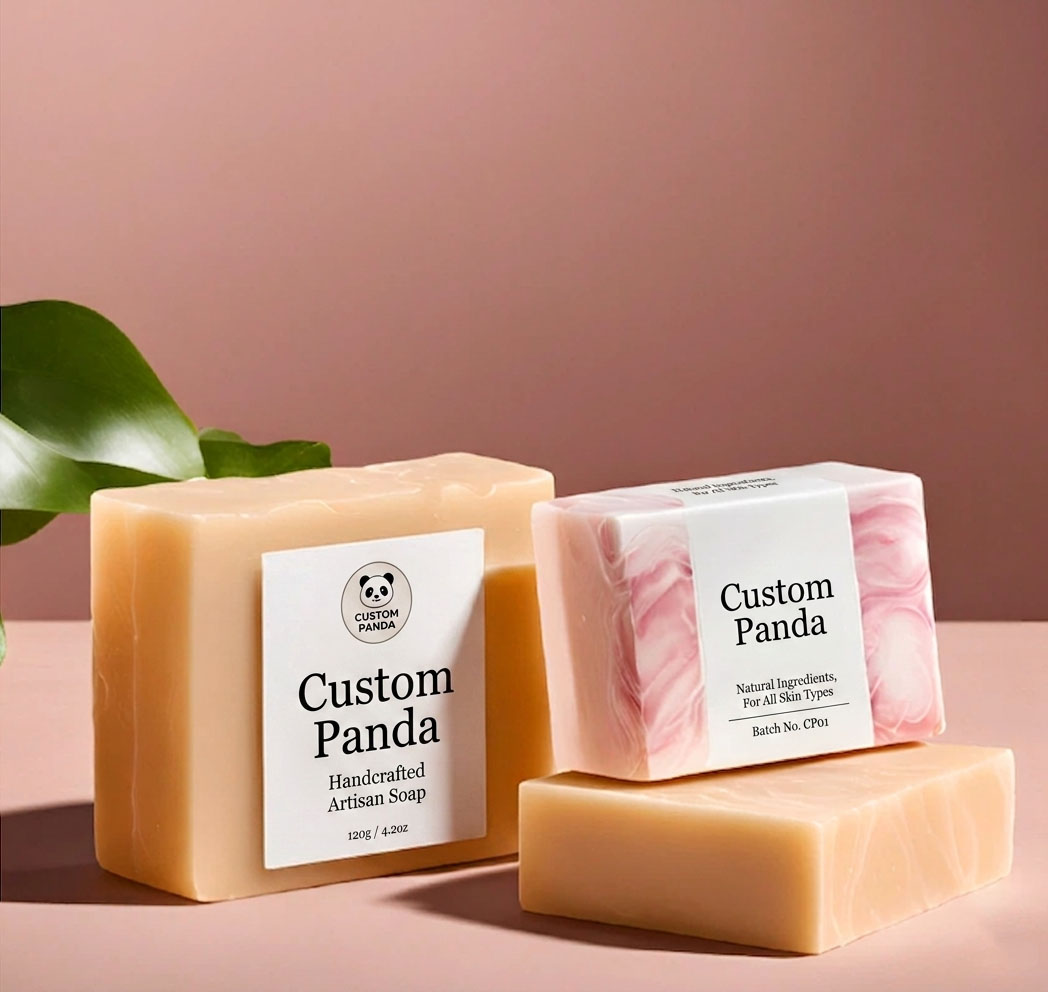
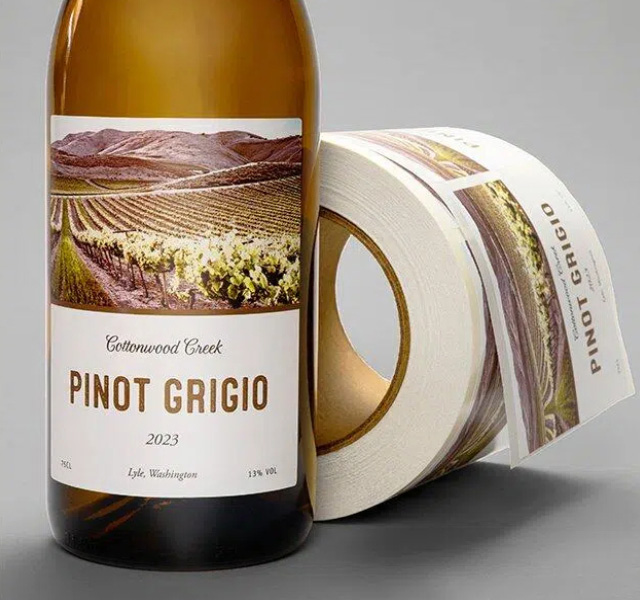
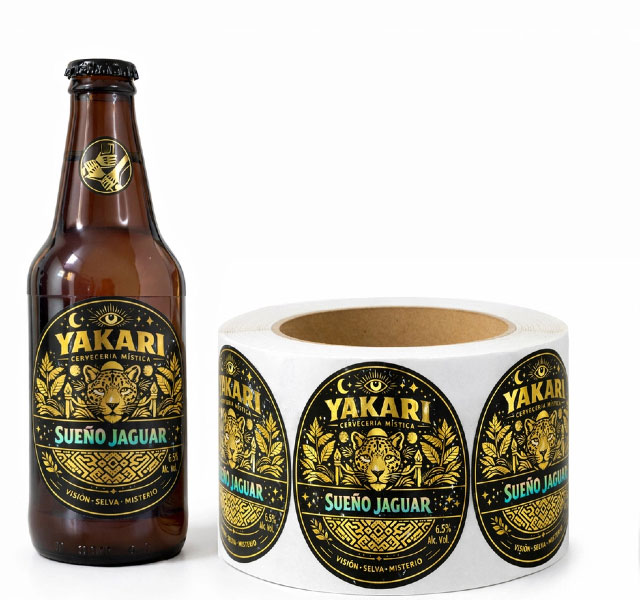
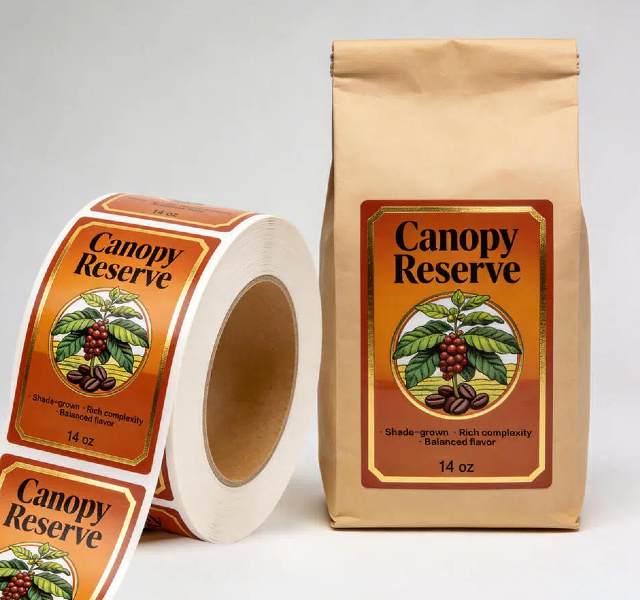
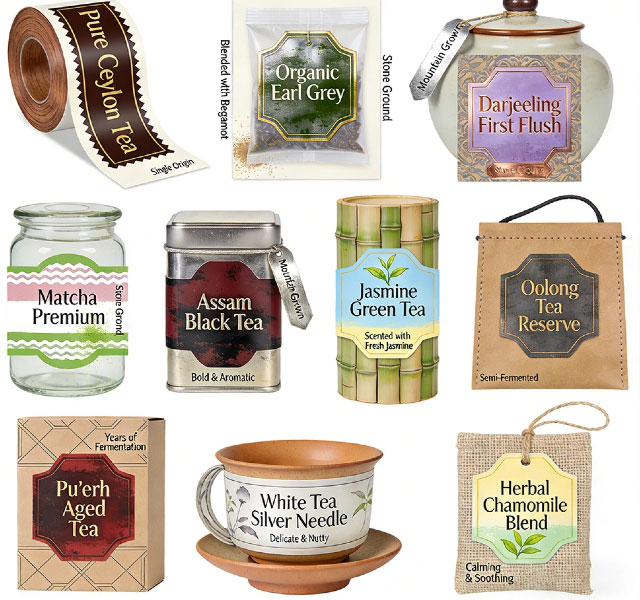
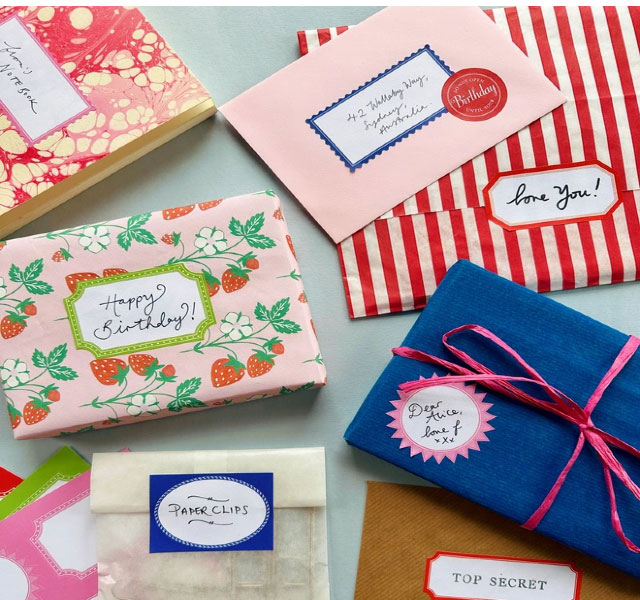
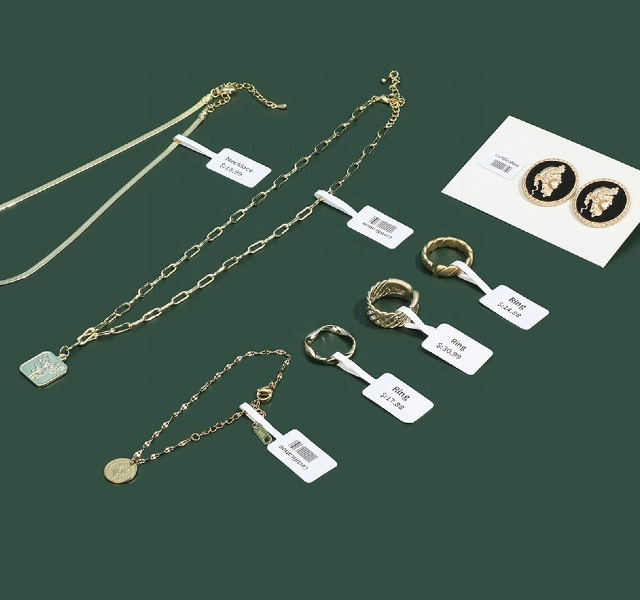
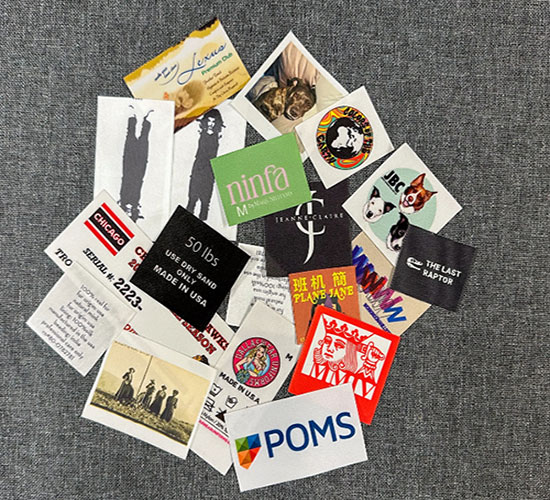
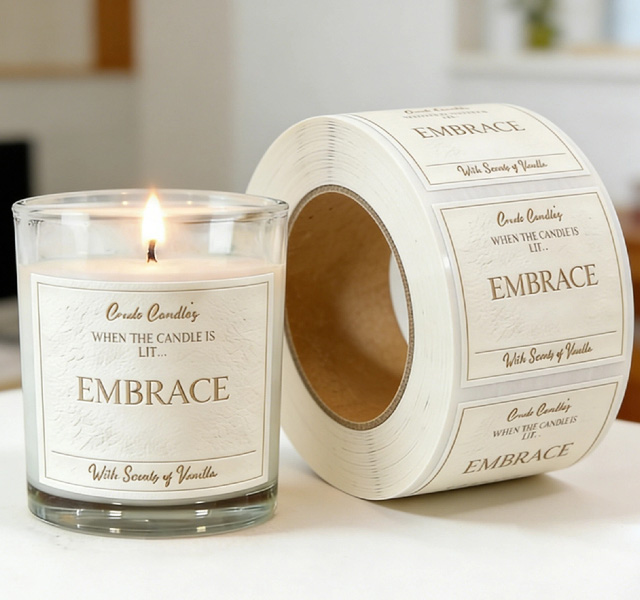
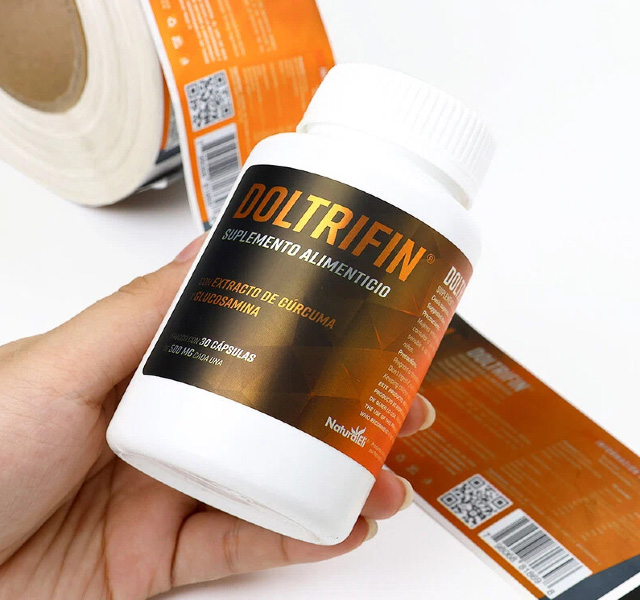
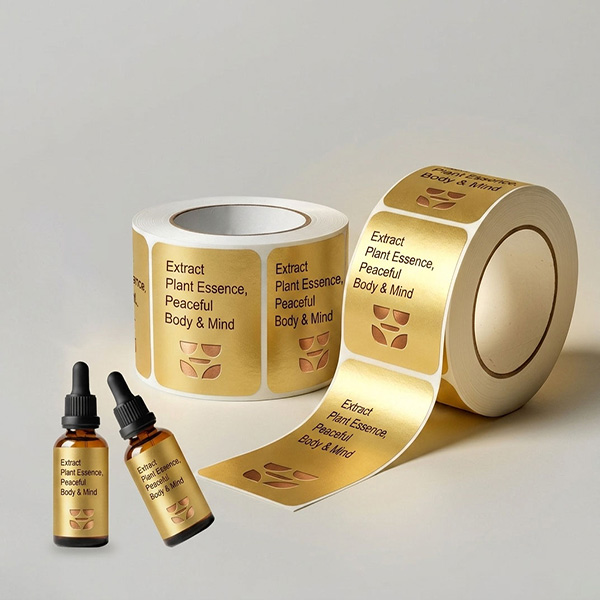
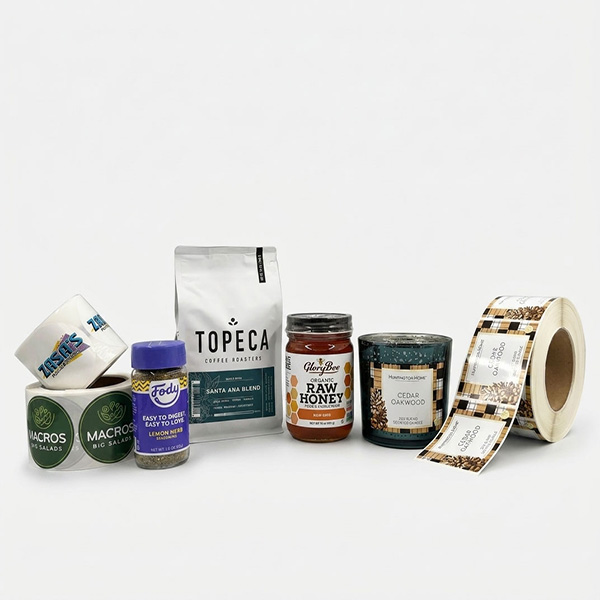
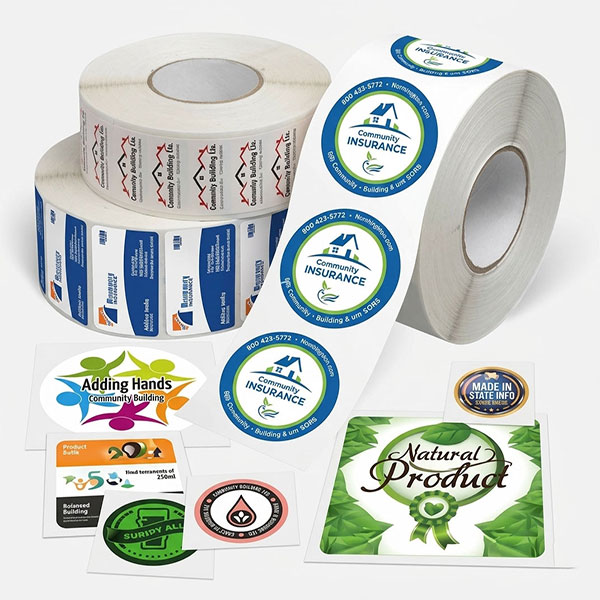
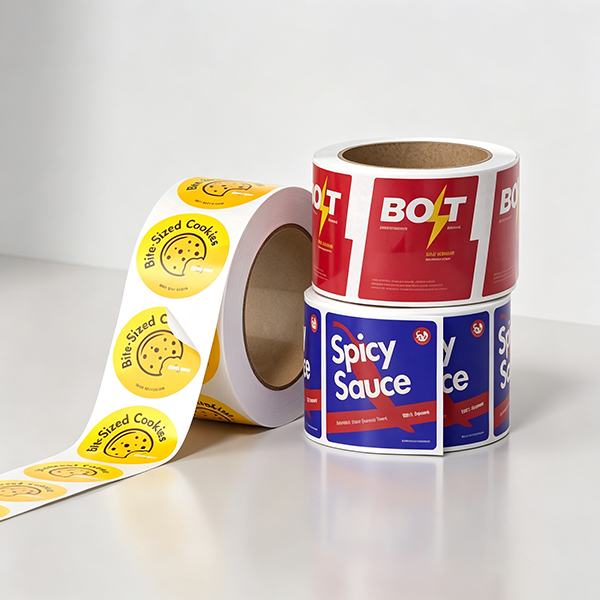
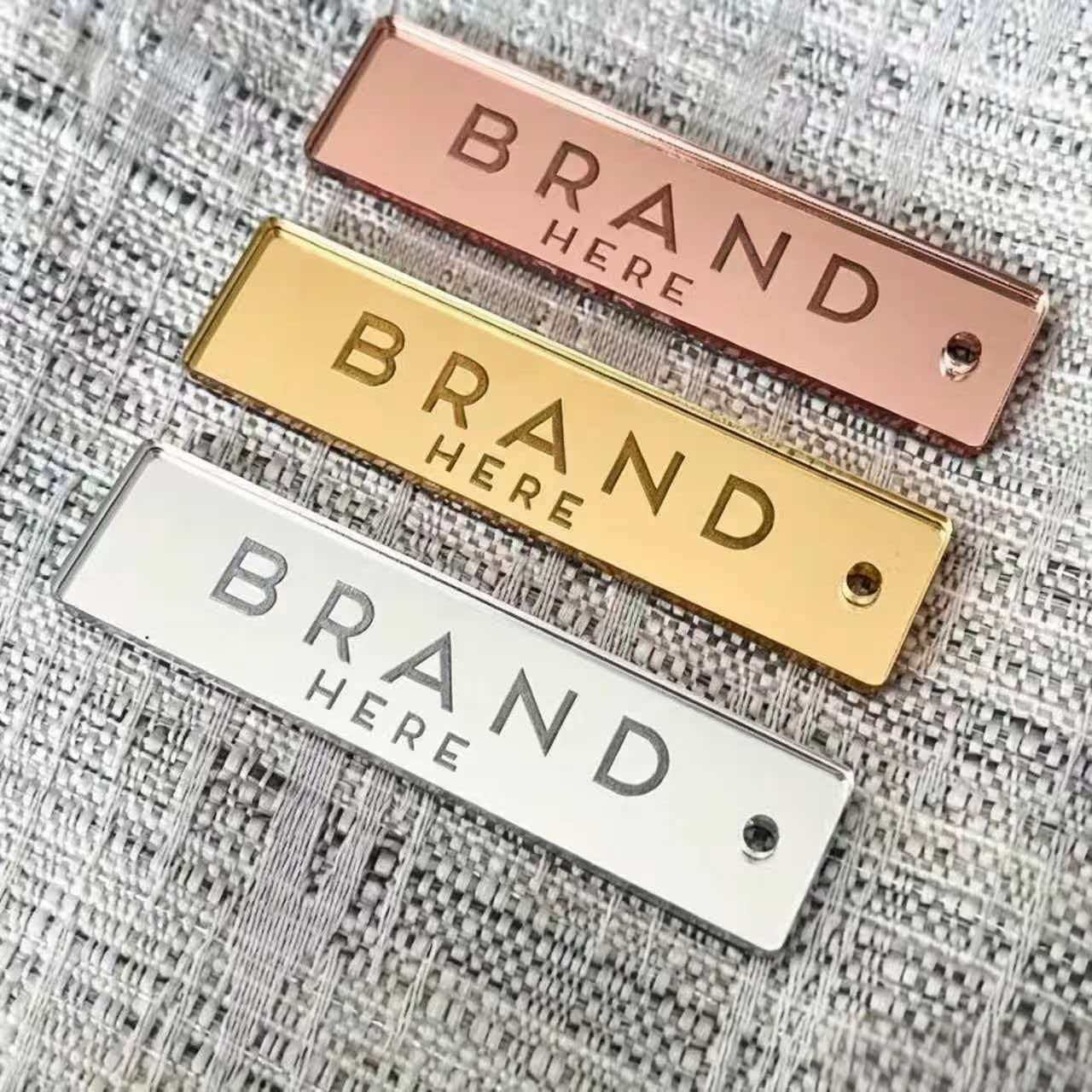
Custom labels are far more than simple stickers affixed to a product surface. At their core, they represent the physical and digital identity of a product, serving as the very first point of contact between a brand and its consumer. In the commercial landscape of 2026, custom labels have evolved into multifunctional tools that seamlessly integrate brand storytelling, regulatory compliance, and intelligent connectivity. In essence, a custom label is a identifier, designed from the ground up or adapted from a template to meet specific product dimensions, substrate requirements, brand guidelines, and legal mandates. They can be found adorning shampoo bottles, industrial cables, food packaging pouches, and even the sterile wraps of hospital surgical instruments. Unlike generic blank labels available on the open market, the defining characteristic of custom labels lies in their uniqueness and adaptability. They are meticulously engineered for specific substrates—whether glass, polyethylene, or metal—for particular environmental challenges such as extreme cold, high humidity, or ultraviolet exposure, and for the intended method of reading, whether by human eye or machine scanner.
Types of Custom Labels
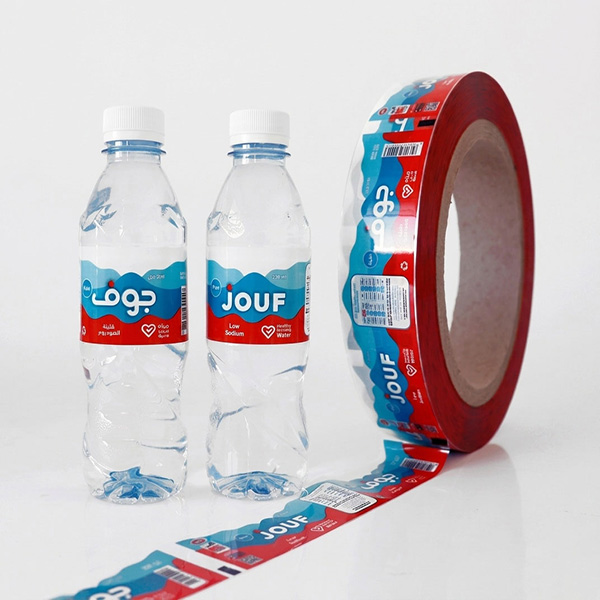
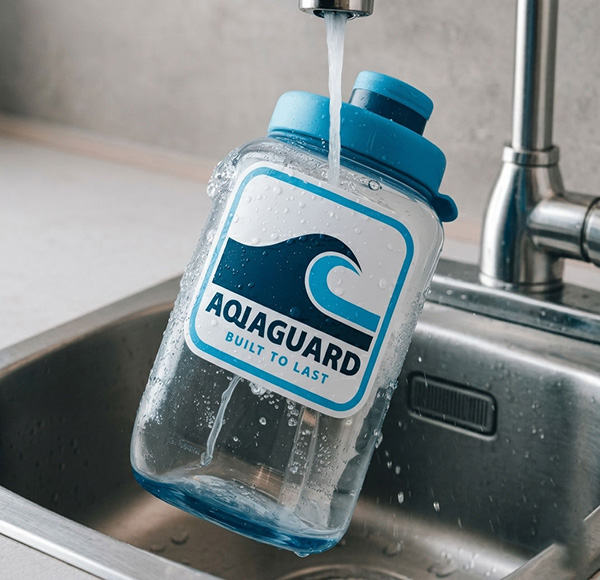
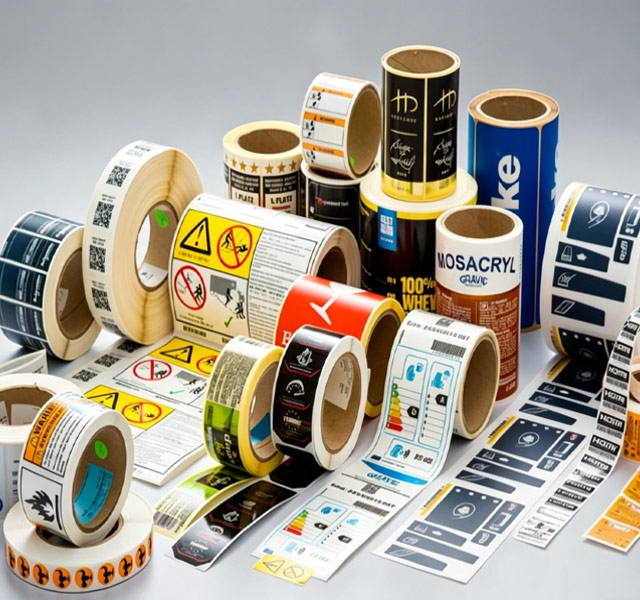
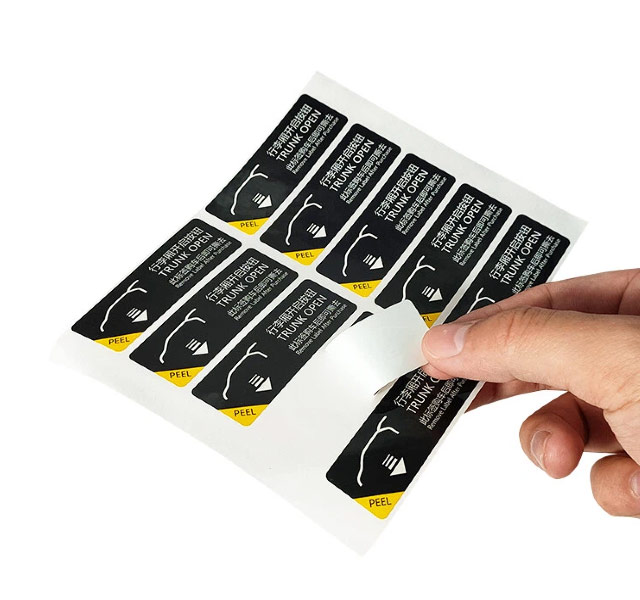
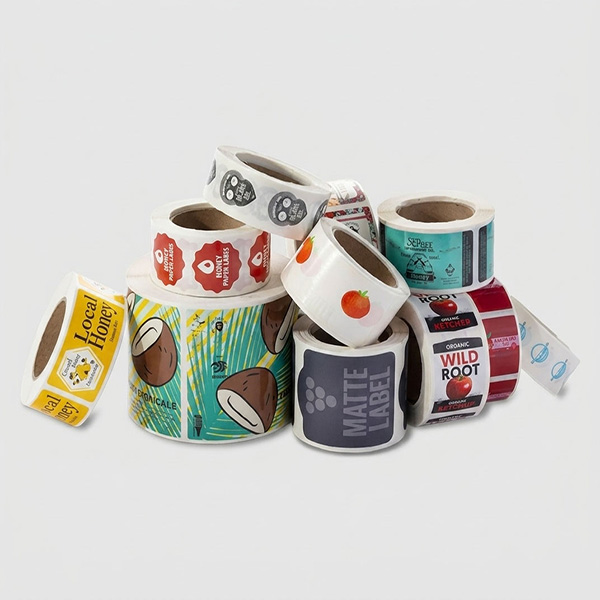
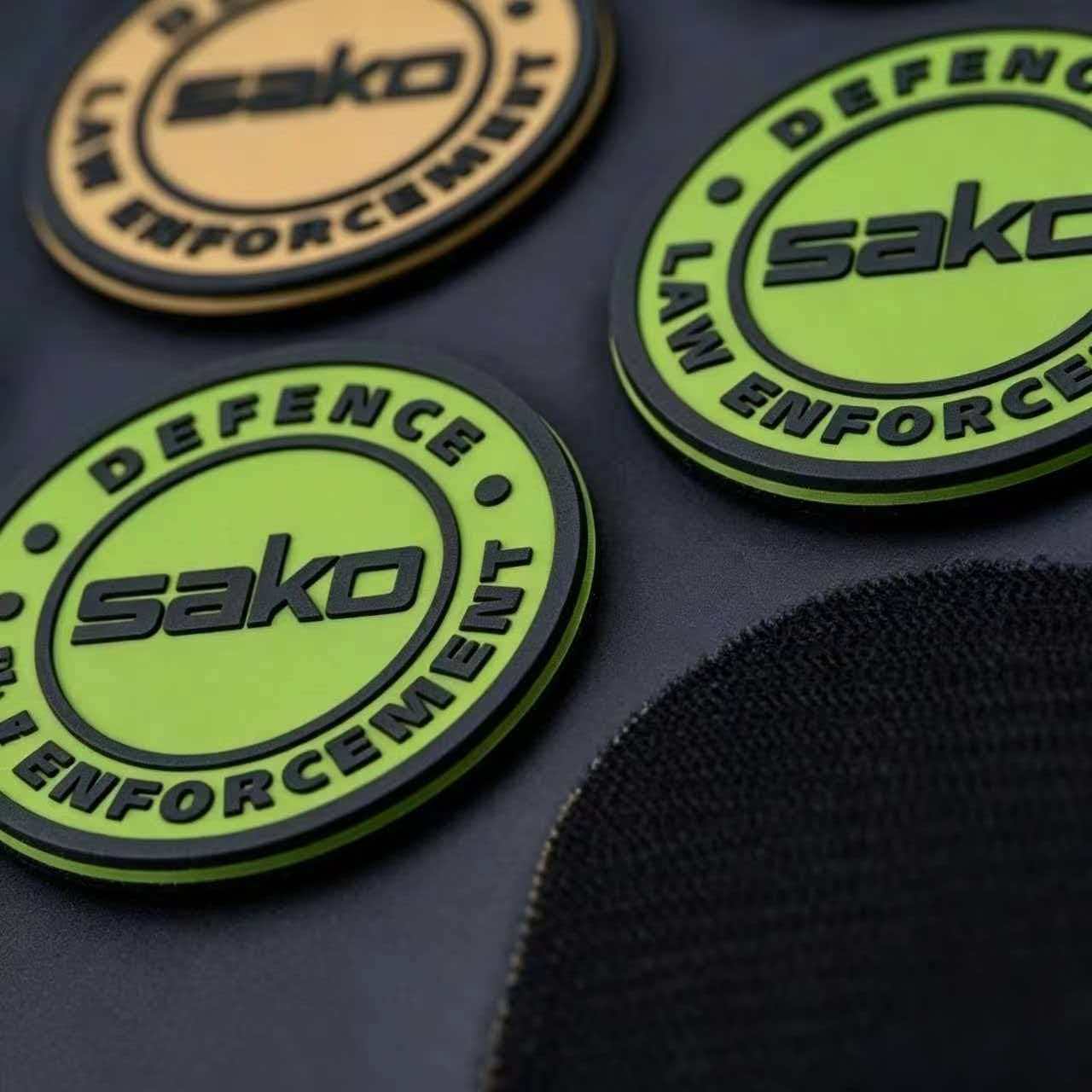
Drawing on the latest advancements in materials science and printing technologies, custom labels in 2026 are broadly categorized to address a vast array of application scenarios. By material and adhesive type, we have paper labels, which are economical and eco-friendly, perfect for short-term promotions or fresh produce in dry, ambient conditions, though they offer limited weather resistance. Synthetic paper and polypropylene labels are waterproof, oil-resistant, and tear-resistant, making them the standard choice for personal care and beverage bottles, with a notable trend toward thinner, high-strength PP to reduce carbon footprints. Polyester labels offer high heat resistance and transparency or metallic finishes, commonly used for electronics and under-the-hood automotive components. Vinyl and PVC labels are exceptionally flexible, ideal for curved or irregular surfaces like safety helmets and piping, with excellent outdoor durability of up to five to eight years. Removable labels, employing special detachable adhesives, leave no residue upon peeling and are widely used for temporary promotions on glassware or for rental item management.
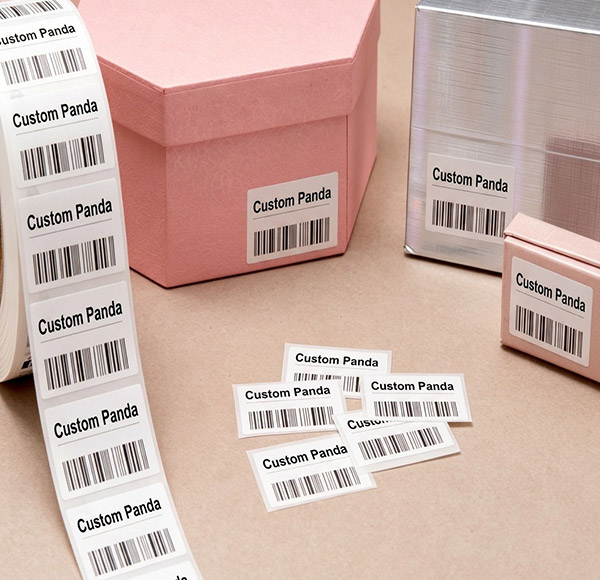
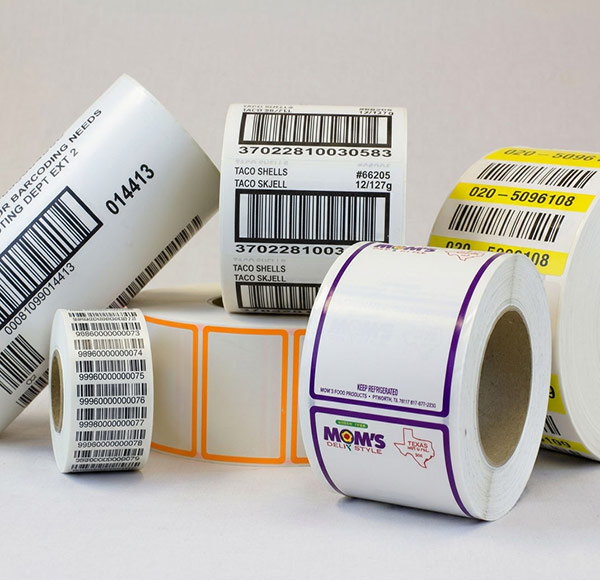
By functionality and technology, security labels incorporate holographic foils, void adhesives that leave a destructive pattern upon removal, and micro-printing. In 2026, the integration of blockchain hash codes with labels has begun entering the high-end consumer goods market. Smart RFID labels, embedded with high-frequency or ultra-high-frequency chips, support bulk batch reading and real-time inventory tracking, forming the core of smart retail and Industry 4.0 logistics in 2026. Variable data labels, where each individual label carries a unique barcode, QR code, or serial number, are essential for product traceability, loyalty programs, and anti-diversion measures.
Features of Custom Labels
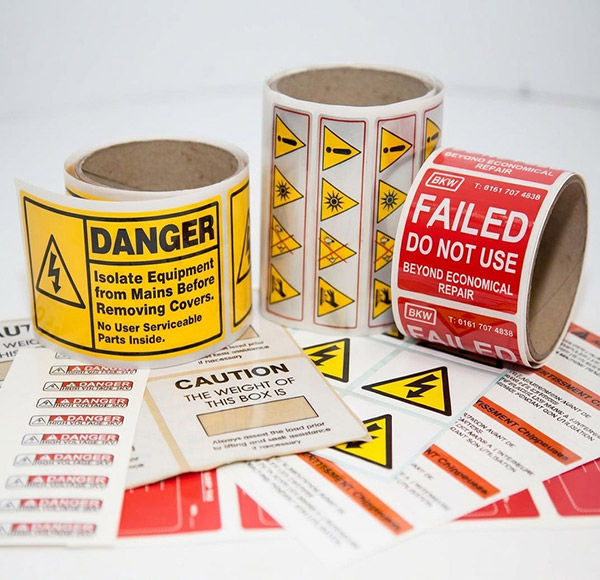
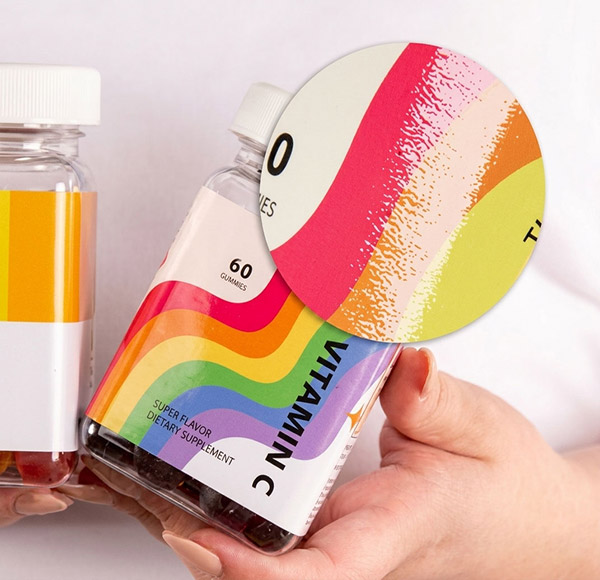
In the demanding market environment of 2026, a superior custom label must possess four fundamental attributes. The first is extreme print resolution and color consistency. With the aid of wide-gamut RGB and seven-color narrow-web flexographic printing, custom labels can faithfully reproduce Pantone colors, ensuring that brand logos maintain identical visual impact across different production batches and manufacturing sites. A color deviation delta E value of under 1.5 has become the industry benchmark. The second is engineered environmental durability. Labels are no longer perishable decorations. Through lamination, UV-blocking coatings, or specialized adhesive formulas, custom labels can withstand extreme temperatures ranging from -40°C to +150°C and relative humidity levels of 98%, ensuring that text does not fade or edges do not curl throughout the product's lifecycle. The third is compliance and interference resistance. For medical devices, automotive components, and electronics, custom labels must pass abrasion, solvent wipe, and salt spray tests to remain valid during regulatory audits. The fourth, and perhaps most defining feature of 2026, is sustainability. Monomaterial labels, such as all-PE structures, and linerless label technology have achieved large-scale commercialization, allowing labels to enter the recycling stream together with the packaging, finally solving the perennial problem of recyclable facestock with non-recyclable adhesives.
Functions of Custom Labels
The functions of custom labels extend far beyond the basic task of stating a name. Their core functional matrix is multifaceted. They serve as primary tools for brand recognition and shelf appeal, where the choice of matte or gloss finish and the use of hot stamping and embossing directly influence pricing power within a two-second consumer decision window. They are indispensable for mandatory regulatory disclosure, ensuring that food nutrition panels, drug warnings, and electronic energy efficiency ratings are permanently presented in legally mandated fonts and sizes to avoid litigation. Custom labels are the nexus of supply chain digitalization, with RFID and QR codes acting as the physical gateway to digital systems, allowing consumers to access instruction manuals, installation videos, or warranty information with a simple scan, dramatically reducing customer service costs. They provide crucial anti-counterfeiting and brand protection through micro-optical security features that allow consumers to authenticate products with the naked eye in under a second. Finally, they enable automated production line identification, with high-speed labelers using positioning marks to achieve application speeds exceeding 1,200 bottles per minute, forming the physical backbone of modern fast-moving consumer goods manufacturing.
Top Five Custom Label Suppliers in 2026
Based on market reputation, delivery capability, and green innovation in 2026, five suppliers stand out as leaders in the custom label sector. Avery Dennison remains a global materials giant, with its CleanFlake residue-free adhesive technology setting the industry benchmark for PET bottle recycling. CCL Industries continues to dominate the shrink-sleeve and wrap-around label segment, having introduced an ultra-thin, sustainable shrink film of just 25 microns in 2026. MCC Label excels in high-end personal care and beverage labeling, pushing the boundaries of digital printing combined with cold foil stamping, reducing sample turnaround to 24 hours. UPM Raflatac, backed by forest resources, has fully launched wood-based biomaterial labels in 2026, reducing carbon footprint by 60 percent compared to traditional petroleum-based options. Multi-Color Corporation, after significant mergers and acquisitions, now boasts a global color management database that supports seamless color reproduction across multi-national factories for global brands.
How to Select Custom Labels
Choosing the right custom label requires a systematic, five-step approach. The first step is to define the end-use application. Consider whether the label will be applied to frozen chicken at minus 18 degrees Celsius or to an outdoor 5G base station shell enduring 80 degrees Celsius under direct sunlight. Temperature and humidity are the primary determinants of material and adhesive selection. The second step is to confirm the substrate surface energy. High-energy surfaces like glass and metal accept standard adhesives, while low-energy surfaces such as PE, PP, or corrugated board require high-tack modified rubber adhesives or special primers to prevent curling within a week. The third step is to calculate the required lifecycle. A promotional label needs only three months of life, whereas an automotive engine compartment label must last 15 years, which dictates the need for lamination and UV-resistant inks. The fourth step is to match the printing method. Small batches and multiple SKUs are best served by digital printing with no minimum order quantity, while large-volume, spot-color jobs favor flexographic printing for extremely low per-unit costs. The fifth step is to review regulatory barriers. Exports to the EU require REACH compliance, exports to the US require FDA standards, and medical products must meet USP Class VI biocompatibility requirements.
Custom Label Size Guide
There is no universal standard size, but there are golden rules for determining dimensions based on product surface area and viewing distance. For extremely small sizes, ranging from 10 by 10 millimeters to 20 by 20 millimeters, suitable for electronic components, screwdriver handles, and vial sides, the font size must be no smaller than 4 points, with high contrast such as white on black. For standard bottle bodies, typically 50 by 70 millimeters to 80 by 110 millimeters, suitable for 500-milliliter water bottles and facial cleansers, an aspect ratio approximating the golden ratio of 1 to 1.618 provides optimal visual comfort. For large industrial nameplates of 100 by 150 millimeters and above, used on machinery and distribution cabinets, it is essential to account for rivets or curvature on the application area and maintain a safety margin of at least 5 millimeters. For custom die-cut shapes, it is strongly advised to provide the supplier with a 3D model or a physical sample to generate precise cutting paths through contour scanning, preventing bubbles from accumulating at sharp corners after application. A critical note: when providing dimensions, always include a development drawing of the application area. For cylindrical bodies, the label length should be slightly less than the bottle circumference, leaving 2 to 3 millimeters for overlap or 5 millimeters less than the circumference to avoid wrinkling from overlapping ends.
How to Customize Your Labels
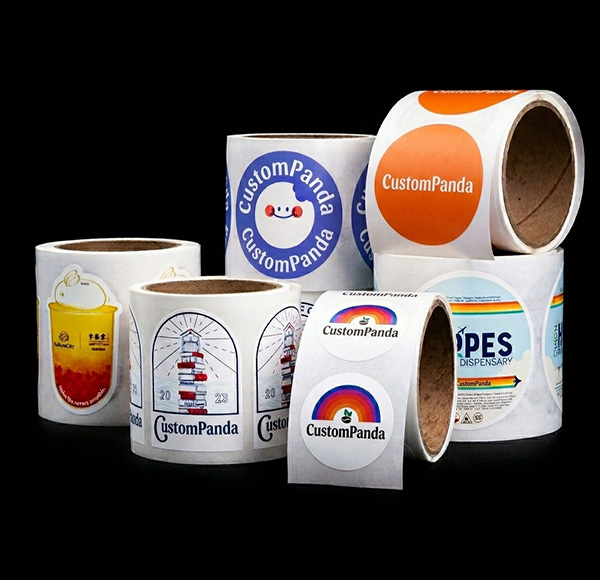
The customization process in 2026 is highly digitized and can be summarized as a closed-loop, six-step workflow. It begins with requirement diagnosis and sampling, where you submit your design and application details. Professional suppliers then provide digital simulation proofs or actual material proofs to confirm color and tactile feel. Next is engineering data generation, where designers convert vector artwork into color-separated files suitable for flexographic or digital presses, and produce nickel-plated or copper-plated printing plates or prepare dry toner or liquid inks. The third step is material lamination, where the facestock, adhesive, and release liner are precisely bonded in a cleanroom environment to ensure consistent peel force. This is followed by printing and post-press finishing, which includes multicolor printing, cold foiling, screen varnishing, die-cutting, and waste stripping. Advanced automated vision inspection systems scan every label in real time to automatically reject defects such as hickeys and misregistration. The fifth step is slitting and packaging, where master rolls are converted into smaller rolls or sheets according to your labeler's core diameter requirements, with clear labeling of roll numbers and winding direction. Finally, delivery and on-machine testing are conducted, with the supplier typically offering remote guidance for the first setup to ensure that your labeler's parameters perfectly match the label's release characteristics, achieving zero downtime during changeovers.
How to Choose a Reliable Custom Label Supplier
Selecting a supplier is a long-term commitment to quality stability, and evaluation should focus on four dimensions. First, verify system certifications. Beyond ISO 9001, an excellent supplier should hold ISO 15378 for pharmaceutical packaging and FSC certification for sustainable sourcing. Second, assess full-chain service capability, including material recommendation, pre-press layout, tooling development, and just-in-time logistics. A great supplier can even help you optimize label area to save more than 15 percent on material costs. Third, inspect the quality control hardware. Look for colorimeters, temperature-humidity aging chambers, and initial-tack and holding-power testers, as physical hardware determines label reliability under extreme conditions. Fourth, evaluate emergency response speed. When your labeler experiences web breaks or label drop-outs, can the supplier respond within four hours to analyze whether the issue is material-batch related or equipment-tension related? Response time is a hidden competitive advantage.
About Our Company
With over fifteen years of dedicated experience in the label and identification industry, we understand that every single label carries the weight of brand reputation and safety responsibility. Unlike simple trading companies, we operate a fully integrated production chain, from adhesive coating and printing to die-cutting, under one roof, supported by German-engineered ten-color-plus-UV flexographic printing lines and fully automated digital cutting centers. Our core competitive advantage lies in our zero-defect delivery commitment, underpinned by AI-powered vision inspection systems that ensure a customer complaint rate of fewer than 50 parts per million per million labels produced. As a pioneer in green sustainability, we have completely phased out solvent-based adhesives since 2024, transitioning entirely to water-based acrylic adhesives and compostable bio-based films. We have successfully assisted numerous food clients in passing the stringent German LFGB and US FDA direct-food-contact tests. We pride ourselves on agile sampling and mass production, offering digital samples within four hours and physical on-material samples within forty-eight hours for new product development. For urgent replenishment orders, our maintained inventory of mainstream materials enables an impressive 72-hour rapid delivery service. We are not merely a label printing factory; we serve as your brand visual management consultant and supply chain compliance partner. Whether you require promotional labels for global supermarket chains or highly reliable identification plates for aerospace applications, we bring an engineering perspective to deliver a perfect labeling solution that balances aesthetics, functionality, and sustainability. Choose us, and ensure that your product communicates the right message, consistently and durably, at every touchpoint. We welcome you to reach out at any time to request your exclusive custom label sample book and our latest 2026 eco-friendly material catalog.